
Articles
How to organize group plans for stress-free hangouts
Learn simple steps to organize group plans that actually happen. Discover tools, delegation strategies, and fixes for common mistakes that cause no-shows and planning chaos.

How to organize group plans for stress-free hangouts

Trying to nail down a hangout date with friends often turns into a frustrating mess of endless texts, conflicting schedules, and disappointing no-shows. You propose a time, three people can't make it, someone suggests another date, and the cycle repeats until everyone gives up or settles for something nobody really wants. This guide shows you simple, flexible steps and tools to cut through the chaos, boost attendance, and make planning your next group outing actually enjoyable.
Table of Contents
- What You Need Before You Start: Tools And Conditions
- Step-By-Step Group Planning Process
- Choosing The Right Tools For Your Group
- Delegation And Role Assignment To Reduce Stress
- Common Mistakes And How To Fix Them
- Expected Outcomes: What Success Looks Like
- Alternatives And Tradeoffs: Choosing Your Planning Style
- Simplify Your Group Planning With Groop
- FAQ
Key takeaways
| Point | Details |
|---|---|
| Prerequisites matter | Agree on one communication platform and ensure everyone has basic smartphone access before you start. |
| Follow a clear process | Use lightweight scheduling tools and plan 2-3 weeks ahead to maximize attendance and minimize stress. |
| Share the workload | Delegate roles like communication lead and food coordinator to prevent burnout and keep everyone engaged. |
| Avoid common pitfalls | Always send confirmations and reminders, skip overly complex polls, and embrace flexible attendance. |
| Choose the right tools | Pick simple apps with built-in chat and reminders that match your group's casual vibe. |
What you need before you start: tools and conditions
Before you dive into organizing your next group plan, set yourself up for success by gathering a few essentials. First, everyone in your group needs a smartphone with internet access. This sounds obvious, but confirming upfront prevents frustration later when someone can't access the schedule or updates.
Next, your group must agree on one main communication platform. Splitting conversations across text messages, Snapchat, Instagram DMs, and WhatsApp creates confusion and missed information. Pick one channel where everyone checks regularly, and avoid group chat chaos by keeping updates centralized.
Understanding your group size and attendance flexibility helps set realistic expectations. A tight-knit squad of five has different needs than a loose group of fifteen. Decide upfront whether everyone must attend or if flexible participation works better for your vibe.
Clarify roles about decision-making early. Will one person lead planning, or does everyone vote on every detail? Setting these expectations prevents misunderstandings and reduces back-and-forth messaging later.
Finally, choose apps or shared calendars suited to your group's preferences. Some friends prefer visual calendars, while others like quick polls. Match the tool to your group's tech comfort level and communication style for smooth information flow.
Pro Tip: Test your chosen platform with a small, low-stakes hangout first. This reveals any issues before you plan something bigger and more complex.
Step-by-step group planning process
Now that you've laid the groundwork, follow this practical sequence to organize group plans efficiently. These steps emphasize lightweight tools and flexibility to minimize stress and maximize participation.
-
Start with a tentative plan. Propose a rough idea including activity and potential dates to spark interest. Research shows starting with a skeletal plan increases final commitment by approximately 50% because it moves conversations from vague to actionable.
-
Gather availability using simple tools. Skip the endless "what works for you?" texts. Using scheduling tools like Doodle increases alignment by up to 75%, cutting down exhausting message threads.
-
Assign roles early. Designate a communication lead, food coordinator, or transport organizer right away. This easy group coordination process keeps information flowing smoothly and prevents one person from shouldering everything.
-
Confirm details clearly. Once you pick a time and place, send a clear confirmation message with all essential information. Include the who, what, when, where, and any items people should bring.
-
Send reminders. A day or two before your event, remind everyone about the plan. This simple step dramatically reduces no-shows and last-minute cancellations.
-
Allow flexible attendance. Not everyone can make every hangout, and that's okay. Removing pressure to attend everything keeps your group's vibe relaxed and stress-free.
Planning activities 2-3 weeks ahead improves attendance and reduces cancellations by 35%. This timeline gives everyone enough notice without being so far out that plans feel uncertain.
"The key to successful group planning isn't perfection. It's creating a process simple enough that everyone actually follows it and flexible enough that life's inevitable changes don't derail everything."
For inspiration on different hangout types, check out these fun ways to plan with friends that work well with this organized approach.
Pro Tip: Keep a running list of activity ideas in your group chat. When planning time comes, you'll already have suggestions ready instead of starting from scratch every time.
Choosing the right tools for your group
After learning the planning steps, you need digital tools that match your casual group's style and needs. The right app makes coordination effortless, while the wrong one creates more headaches than it solves.
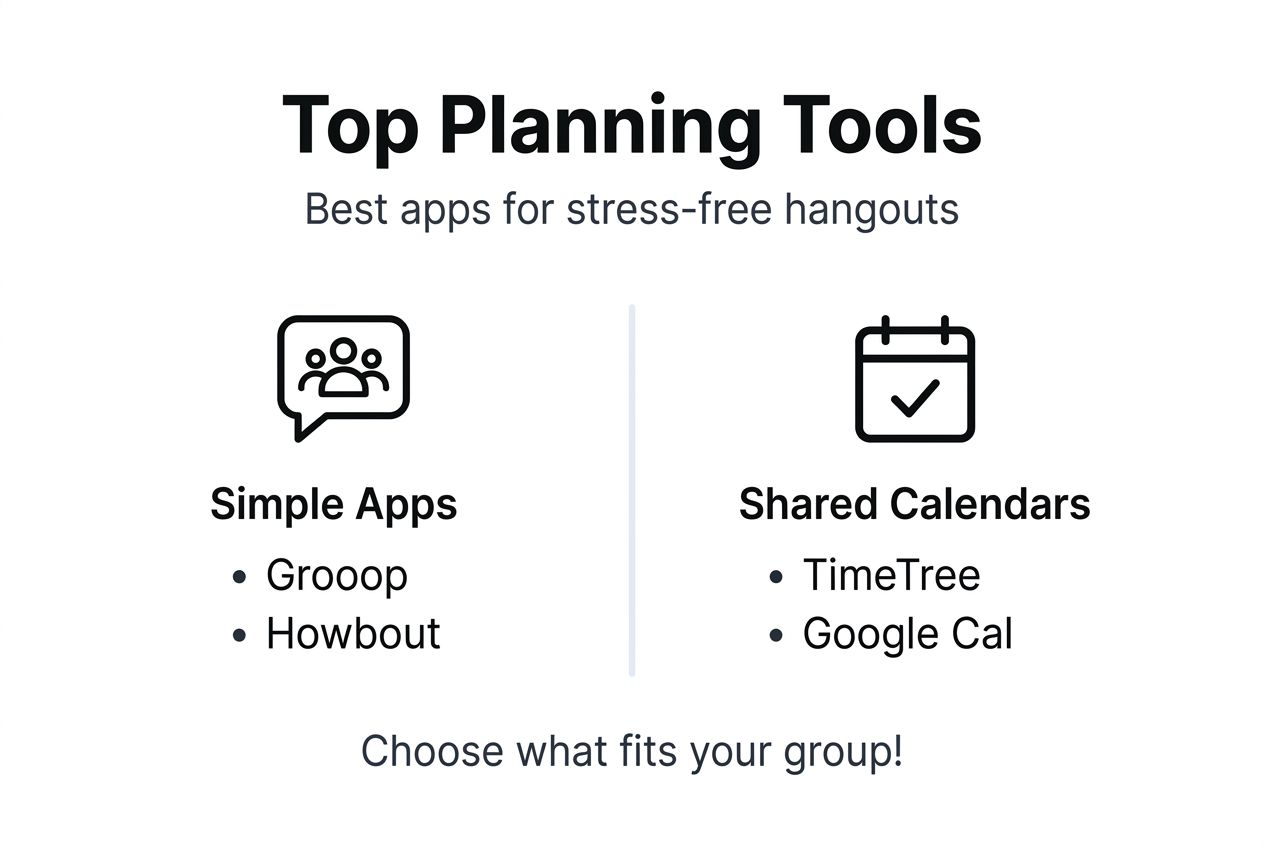
Compare simple scheduling apps like Grooop and Howbout that let users quickly pick preferred times. These platforms strip away unnecessary complexity and focus on what matters: finding a time that works. Lightweight scheduling tools offering simple options reduce decision fatigue and increase acceptance rates by 60%.
Avoid overly complex polling tools that present twenty time slots and require ranking preferences. These confuse participants and delay decisions. For casual friend groups, simpler is always better.
Look for tools with built-in chat and reminders to keep everyone informed in one place. Juggling between a scheduling app, your group chat, and separate reminder systems wastes time and increases the chance someone misses crucial updates.
Choose apps that maintain your group's casual vibe and require minimal learning curve. If half your friends need a tutorial to use it, pick something else. The best tools feel intuitive from the first use.
Integrate shared calendars for visibility, but keep scheduling choices minimal. Seeing everyone's availability helps, but overwhelming people with too many options creates fatigue.
| Tool Type | Best For | Key Feature | Potential Drawback |
|---|---|---|---|
| Simple schedulers (Grooop, Howbout) | Small casual groups | Quick time selection, integrated chat | May lack advanced customization |
| Poll-based tools (Doodle, When2Meet) | Larger groups needing consensus | Visual availability grid | Can overwhelm with too many options |
| Shared calendar apps | Groups wanting ongoing visibility | Continuous schedule awareness | Requires regular maintenance |
Explore Howbout app alternatives and TimeTree alternatives to find the perfect fit for your specific group dynamics and preferences.
Delegation and role assignment to reduce stress
Sharing planning tasks among friends makes organizing easier and more fun. When one person handles everything, burnout happens fast and enthusiasm dies. Smart delegation keeps everyone involved and invested.
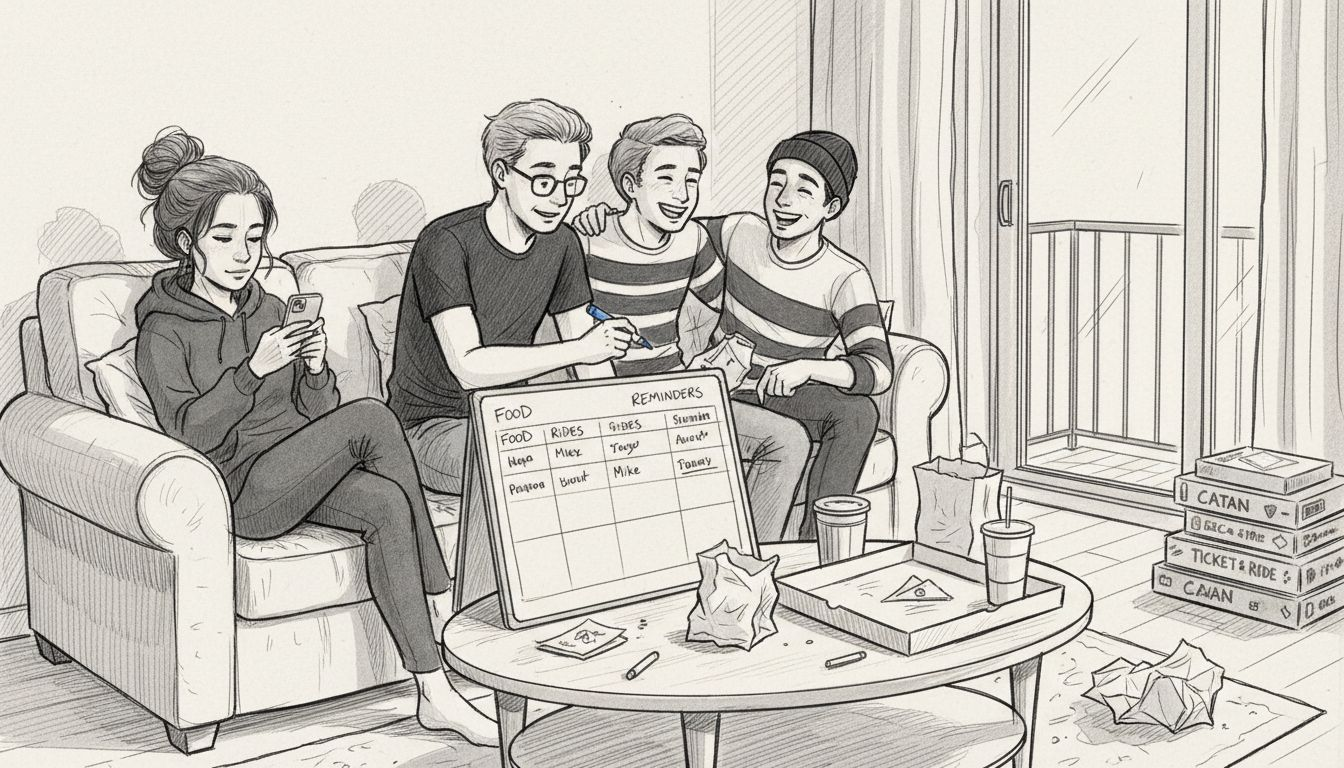
Assign specific roles such as communication lead, food coordinator, and transport organizer. Each role carries clear responsibilities that prevent overlap and confusion. The communication lead sends updates and reminders. The food coordinator handles restaurant reservations or potluck assignments. The transport organizer arranges carpools or meeting points.
Rotate roles regularly to prevent burnout and keep members involved. If the same person always organizes, they'll eventually resent it. Rotation also gives everyone experience leading, which builds group planning skills.
Clear delegation improves satisfaction by 30% and reduces organizer burnout. People appreciate structure and knowing exactly what they're responsible for contributes to.
Delegating communication updates to a dedicated person reduces chat overload by 50%. Instead of everyone asking questions simultaneously, the communication lead fields inquiries and shares information once to the whole group.
Spread the workload for more enjoyable planning experiences. When three people each handle one aspect instead of one person juggling three, the process feels lighter and faster for everyone involved.
Maintain group excitement and engagement throughout the planning process. People stay more invested when they contribute actively rather than passively receiving instructions.
For more strategies, explore how to avoid group chat chaos and follow this easy group coordination process guide that emphasizes shared responsibility.
Pro Tip: Create a simple role rotation schedule at the start of your semester or season. Everyone knows when their turn comes up, eliminating awkward conversations about who should organize next.
Common mistakes and how to fix them
Even with good intentions, group planning often goes sideways. Recognizing these frequent pitfalls and applying simple corrections dramatically improves your success rate.
Always confirm final plans and send timely reminders to prevent no-shows. Neglecting to confirm plans causes up to 25% no-shows, while reminders reduce this significantly. One confirmation message and one reminder take two minutes total but make a massive difference.
Avoid overly detailed polls that overwhelm participants and lower engagement. Asking people to rank fifteen potential times across three different activities creates decision paralysis. Narrow options to three or four realistic choices before polling.
Delegate roles to avoid overload and distribute planning tasks fairly. Solo organizers burn out quickly, start resenting the group, and eventually stop planning anything. Sharing responsibility keeps energy high and plans flowing.
Accept flexible attendance to reduce stress and accommodate varying schedules. Insisting everyone must attend every time creates pressure that makes planning feel like an obligation instead of fun.
Set clear communication expectations early to reduce misunderstanding and chaos. Establish whether your group prefers quick decisions or extended discussion, majority vote or consensus, formal polls or casual suggestions.
"The biggest planning mistake isn't choosing the wrong restaurant or picking a bad date. It's making the process so complicated or stressful that people stop participating altogether."
Learn more about group communication challenges and friend group coordination to understand why these patterns emerge and how to break them.
Expected outcomes: what success looks like
Well-executed group planning delivers measurable positive results that reinforce why these strategies matter. Understanding what success looks like helps you recognize when your system works and when adjustments are needed.
Higher attendance and fewer last-minute cancellations signify planning success. Advanced planning reduces cancellations by 35%, meaning more friends actually show up and your effort pays off.
Simple, lightweight scheduling tools increase event acceptance significantly, with acceptance rates jumping up to 60%. When choosing a time feels easy instead of overwhelming, people commit faster.
Delegation boosts group satisfaction by 30% and halves planning chat chaos by 50%. Shared responsibility creates better experiences for everyone while dramatically reducing notification overload.
Flexible attendance policies improve participation and reduce social stress. When people know they can opt out without guilt or awkwardness, they actually attend more often because plans feel inviting rather than obligatory.
These outcomes lead to more enjoyable, frequent hangouts and stronger friendships. Groups that plan efficiently spend less energy on logistics and more on actually having fun together.
| Outcome | Improvement | Impact |
|---|---|---|
| Attendance rate | 35% fewer cancellations | More reliable turnout |
| Plan acceptance | 60% higher with simple tools | Faster commitment |
| Organizer satisfaction | 30% increase with delegation | Reduced burnout |
| Chat message volume | 50% reduction with clear roles | Less notification fatigue |
Alternatives and tradeoffs: choosing your planning style
Different planning approaches work better for different groups. Understanding the pros and cons of each method empowers you to choose what suits your group's vibe and needs.
Polling tools offer detailed availability mapping but can overwhelm small groups. They work best when you need to coordinate larger groups with complex schedules, but they create decision fatigue when you're just trying to grab dinner with five friends.
Shared calendar apps improve transparency and reduce schedule conflicts. Everyone sees everyone else's availability in real time, preventing double-booking and making coordination smoother. However, they require everyone to maintain their calendar regularly, which doesn't always happen.
Direct invitations with tentative plans boost quick commitment but feel less formal. Proposing "pizza at my place Friday at 7" gets faster responses than elaborate polls, but it works better for established groups with flexible members.
Flexibility in attendance increases enjoyment and reduces planning stress by 20%. Allowing people to join or skip based on their situation makes everyone feel more comfortable and actually increases overall participation.
Tradeoffs include balancing ease of use, flexibility, and group engagement. Simple methods work fast but may miss scheduling conflicts. Complex tools catch conflicts but slow down decision-making. Choose based on your group size, tech comfort, and desired attendance flexibility.
| Method | Pros | Cons | Best For |
|---|---|---|---|
| Polling tools | Detailed availability view | Can create decision fatigue | Larger groups, important events |
| Shared calendars | Ongoing visibility | Requires regular updates | Organized groups, frequent plans |
| Direct invitations | Fast commitment | May miss conflicts | Small, flexible groups |
| Lightweight schedulers | Quick, simple choices | Limited customization | Casual friend groups |
Explore calendar sharing options and Howbout alternatives to compare features and find your ideal match.
Simplify your group planning with Groop
You've learned the strategies, mistakes to avoid, and outcomes to expect from organized group planning. Now put these insights into practice with tools designed specifically for casual friend groups like yours.
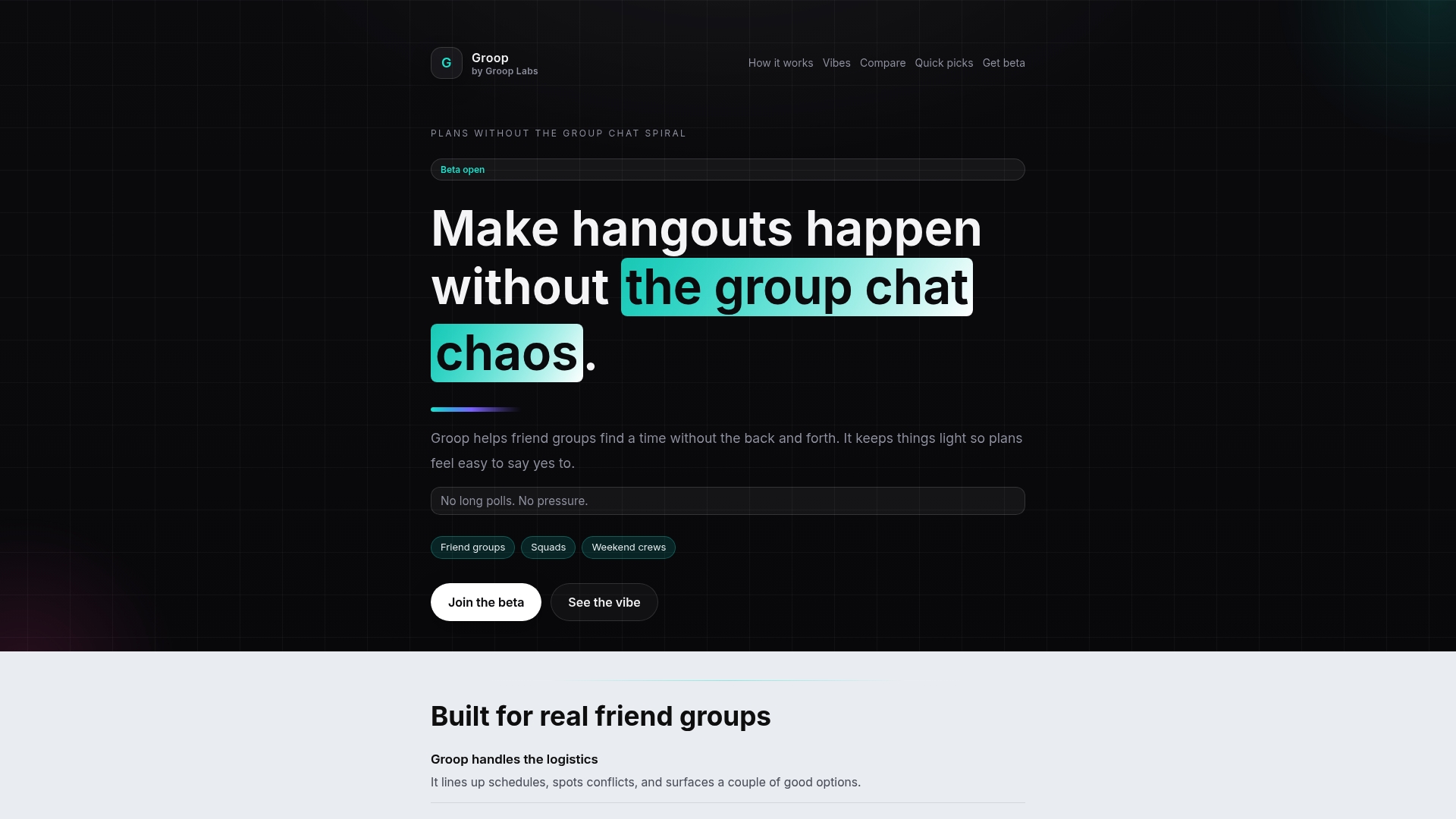
Groop offers simple, intuitive scheduling apps tailored for casual friend groups who want to spend less time planning and more time hanging out. Integrated chat and reminder features keep everyone on the same page without notification overload or confusing threads across multiple platforms. Try Groop Labs scheduling tools today to turn your next group plan into a hassle-free, fun hangout. No complex polls or confusing calendars, just smooth coordination that respects your group's vibe and everyone's time. Empower your friend group to make plans that actually happen.
FAQ
How can I handle last-minute changes when organizing group plans?
Accept that partial attendance and last-minute shifts happen, and communicate this flexibility from the start. Use your group chat for quick updates when someone's plans change, and confirm who can still join. Treating changes as normal rather than disasters keeps stress low and plans moving forward.
What are the best tools for small friend groups to schedule hangouts?
Apps like Grooop and Howbout offer simple availability sharing tailored for casual groups without overwhelming complexity. Look for intuitive features requiring minimal input, integrated chat for questions, and automatic reminders. Compare Howbout app alternatives to find the perfect fit for your group's specific needs and preferences.
How can we prevent multiple no-shows for our group plans?
Always send a final confirmation with all details once plans are set, then send at least one reminder the day before your event. Neglecting to confirm plans causes up to 25% no-shows, while reminders reduce them significantly. Allow members to update their attendance easily through your chosen platform, and encourage people to communicate changes early. This transparency reduces stress for everyone and helps you adjust plans if needed. Check out friend group coordination tips for more strategies.