
Articles
Group conflict resolution basics for friend groups
Learn simple group conflict resolution basics to help your friend group handle disagreements, prevent drama, and keep the good times rolling.
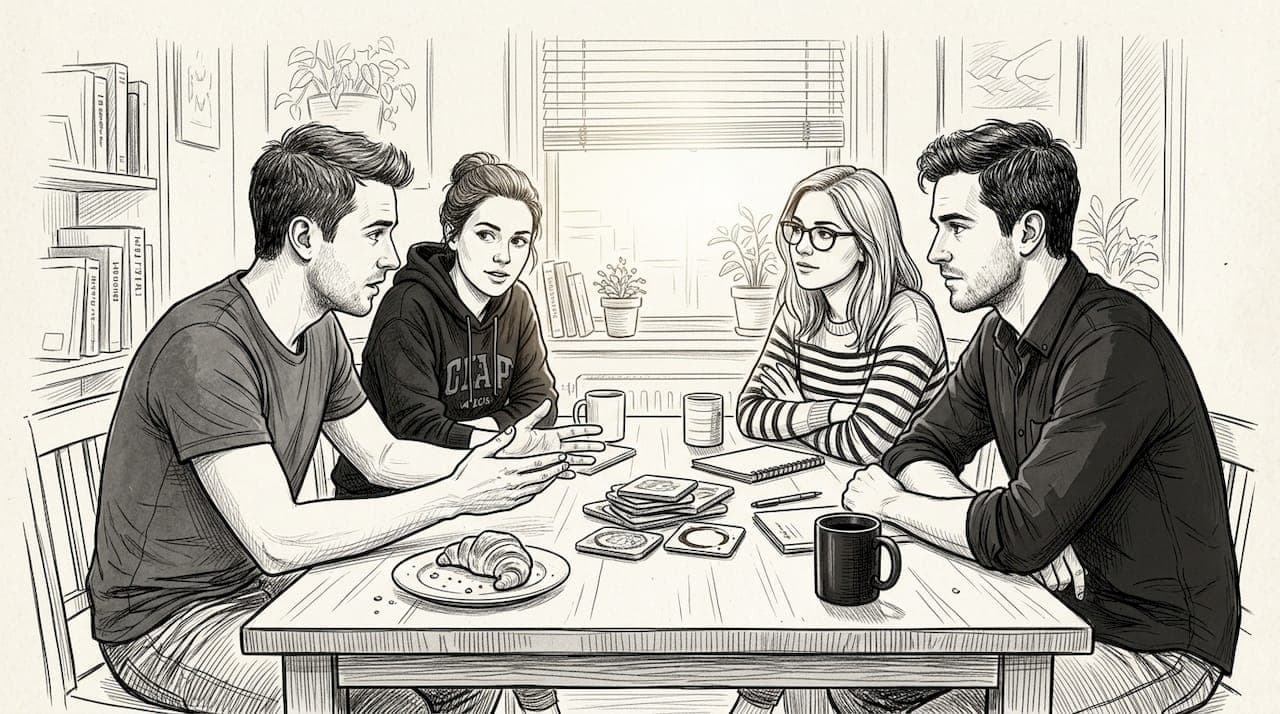
Group conflict resolution basics for friend groups
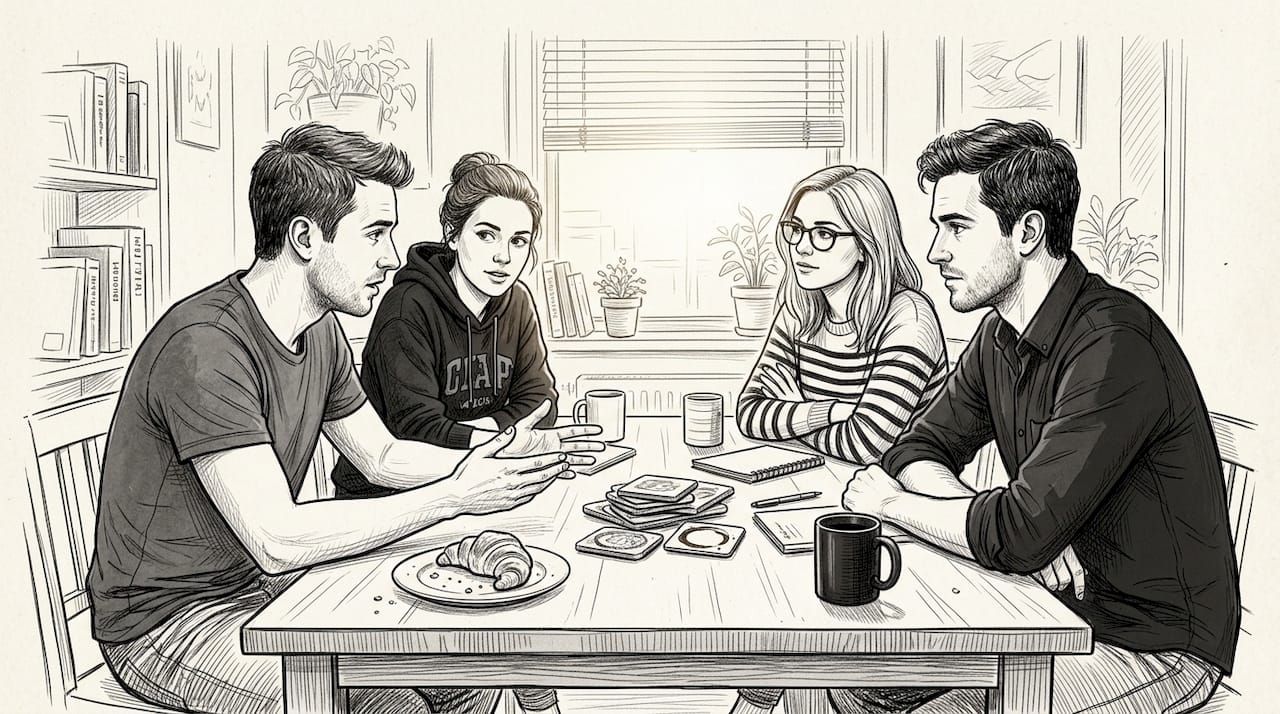
TL;DR:
- Conflict is normal in friend groups and handling it well keeps relationships strong.
- Constructive conflict focuses on solutions and mutual respect, strengthening trust.
- Using a simple four-step approach helps resolve disagreements effectively and prevent escalation.
Planning a hangout should feel exciting, not like navigating a minefield. Yet even the closest friend groups hit walls when it comes to coordinating events, splitting costs, or deciding who gets the final say. Conflict in these moments is not a sign that your group is broken. It is actually a normal part of any close social circle. What separates groups that thrive from those that fall apart is not the absence of disagreement but how they handle it. This guide walks you through simple, proven group conflict resolution basics so your crew can move past the friction and get back to actually having fun together.
Table of Contents
- Why group conflicts happen in friend groups
- Constructive vs. destructive conflict: Spotting the difference
- A simple 4-step process for resolving group conflicts
- Best practices for conflict prevention in group chats and activities
- A reality check: What most conflict resolution guides don't tell you
- Level up your group collaboration
- Frequently asked questions
Key Takeaways
| Point | Details |
|---|---|
| Not all conflict is bad | Some disagreements help groups make better decisions when handled constructively. |
| Use a simple 4-step process | Pause, use 'I' statements, listen actively, and agree on a small solution for smoother group resolutions. |
| Prevention starts with norms | Set group chat rules and focus on shared goals to avoid unnecessary planning drama. |
| Psychological safety matters most | Creating space to pause and de-escalate is key to healthy group collaboration. |
| Seek help for serious cases | External help is needed when conflicts involve threats, harassment, or safety concerns. |
Why group conflicts happen in friend groups
Even when everyone genuinely likes each other, friend groups can run into surprising friction. The reasons go deeper than just someone being difficult. Most conflicts trace back to a handful of root causes that are worth understanding before you try to fix anything.
Differences in communication styles are one of the biggest triggers. Some people are direct and expect quick decisions. Others need more time to process and prefer to discuss options at length. When these styles collide in a group chat or during planning, misunderstandings multiply fast. Add in varying priorities (one person cares about budget, another about the vibe, another about who is invited) and you have a recipe for friction even among good friends.
Group norms, or the unspoken rules about how your group operates, also shape how conflicts develop. If your group has never talked about how decisions get made, every new plan becomes a potential power struggle. Who books the reservation? Who picks the activity? Without clear expectations, people fill in the blanks with assumptions, and assumptions breed resentment.
Here is something that surprises a lot of people: friend groups often experience more conflict than individuals acting alone. This happens because group settings activate our sense of identity and belonging. When someone feels dismissed or overlooked in a group decision, it does not just feel like a logistical disagreement. It feels personal. That emotional layer is what turns a simple scheduling debate into a full-blown argument.
Research backs this up. High cohesion groups cooperate more in social dilemmas, but when respect breaks down, conflict escalates quickly even in tight-knit circles. Cohesion alone is not enough. Mutual respect is the glue that keeps it from unraveling.
Some of the most common conflict triggers in casual friend groups include:
- Event planning disagreements: Who picks the activity, when it happens, and how far in advance
- Money and splitting costs: Unequal budgets or unclear expectations about expenses
- Inclusiveness: Feeling left out of decisions or not consulted before plans are finalized
- Communication overload: Too many messages, too many opinions, and not enough clarity
Understanding social conflict psychology can help you see these triggers coming before they spiral. And when you understand the why, resolving the what becomes a lot more manageable. Building stronger bonds starts with recognizing that conflict is part of the process, not proof that something is wrong.
Constructive vs. destructive conflict: Spotting the difference
Not all conflict is created equal. Some disagreements actually make your group stronger. Others chip away at trust until people stop showing up altogether. Knowing which type you are dealing with is the first step toward handling it well.
Constructive conflict is task-focused and solution-oriented. It welcomes different opinions and treats disagreement as useful information rather than a personal attack. When someone pushes back on a plan because they have a genuine concern, that is constructive. The group listens, adjusts, and moves forward with a better outcome.
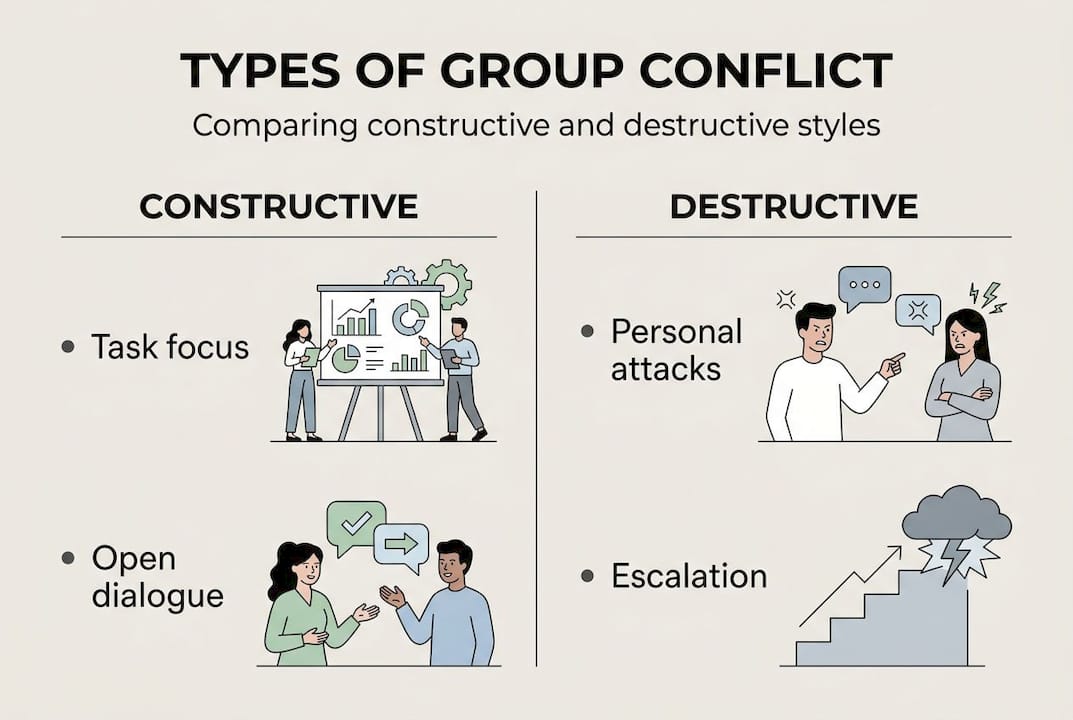
Destructive conflict gets personal. It involves blame, dismissiveness, or emotional attacks. It escalates rather than resolves. People leave the conversation feeling worse than when they entered, and the underlying issue never actually gets addressed.

Here is a quick comparison to help you spot the difference:
| Feature | Constructive conflict | Destructive conflict |
|---|---|---|
| Focus | Task or idea | Person or character |
| Tone | Respectful, curious | Defensive, hostile |
| Goal | Find a solution | Win the argument |
| Outcome | Stronger decisions | Damaged trust |
| Voices heard | All members | Loudest or most dominant |
One insight from group conflict management research is that playing devil's advocate, meaning intentionally challenging a group's plan, actually improves decisions and reduces groupthink. That means constructive dissent boosts outcomes when it is handled with respect. The key word there is respect.
Some early warning signs that conflict is turning destructive:
- Side conversations that exclude group members
- Sarcasm or passive-aggressive comments in the group chat
- Someone going quiet and disengaging entirely
- Repeated interruptions or talking over each other
"The goal is not to avoid all disagreement. It is to make sure every voice feels heard before a decision gets made."
For smooth group planning, catching these signs early is everything. Once destructive patterns take hold, they are much harder to reverse.
Pro Tip: Agree as a group to a "pause and reset" rule. If a conversation gets heated, anyone can call a short break before continuing. This one simple norm can prevent a lot of unnecessary damage.
A simple 4-step process for resolving group conflicts
Once you can tell healthy conflict from harmful conflict, you need a practical way to work through it. This four-step process is built for real friend group situations, not corporate boardrooms. It is straightforward, low-pressure, and actually works.
-
Pause and prepare. Before responding, take a breath. Identify what is actually bothering you and separate the logistical issue from any emotional reaction. Rushing into a response while frustrated almost always makes things worse.
-
Share your perspective using "I" statements. Instead of "You always ignore what I want," try "I felt left out when the plan changed without checking in with me." This keeps the conversation focused on impact rather than blame, which makes it easier for others to hear you without getting defensive.
-
Actively listen before suggesting solutions. Give every group member a chance to share their take before anyone jumps to fixing things. Real listening means not planning your rebuttal while someone else is talking. It means asking clarifying questions and reflecting back what you heard.
-
Agree on one small next step. You do not need to resolve everything at once. Pick one concrete action the group can take, and set a follow-up check-in to see how it is going. Small wins build momentum.
Here is how these steps look in practice:
| Step | Example script |
|---|---|
| Pause and prepare | "Can we take five minutes before we keep going?" |
| "I" statement | "I felt frustrated when plans changed last minute." |
| Active listening | "So what I'm hearing is that you needed more notice. Is that right?" |
| Small next step | "Let's agree to confirm plans 48 hours in advance from now on." |
These core conflict resolution mechanics are backed by youth counseling research and apply just as well to casual hangout disagreements as they do to more serious situations. For thriving group chats, having a shared process like this one means nobody has to figure it out alone in the heat of the moment.
Pro Tip: Always follow up after a resolution. A quick "hey, we good?" message the next day reinforces trust and shows the group that the relationship matters more than being right.
Best practices for conflict prevention in group chats and activities
Resolution skills are valuable, but prevention is even better. A few simple habits can dramatically reduce how often conflicts flare up in the first place, both in your group chat and during in-person hangouts.
Start by establishing basic group norms. These do not need to be formal rules. Just a few shared agreements that everyone buys into. Setting group norms for fairness and turn-taking gives people a framework to fall back on when things get tense. Some examples:
- Turn-taking on decisions: Rotate who picks the activity or venue so no one person always drives the plan
- No late-night planning: Avoid major group decisions after 10 PM when people are tired and more reactive
- Mutual respect as a baseline: Agree that personal attacks and sarcasm are off the table, even when frustrated
Designating a group check-in after major events also helps. A quick debrief, even just a few messages in the chat, lets people flag small frustrations before they become big ones. It also reinforces that the group values everyone's experience, not just the outcome of the plan.
Shared positive goals are another underrated prevention tool. When the group has something to look forward to together, like a trip, a recurring hangout, or a shared challenge, it keeps the focus on what unites you rather than what divides you. Use these goals as anchors when tension rises.
For online group chats specifically, conflict scripts and pre-agreed language can help people express frustration without triggering a pile-on. Checking out chat etiquette tips and staying current on chat group trends can give your group practical tools that fit how you actually communicate.
One important edge case: if a conflict involves safety concerns, threats, or harassment, peer mediation is not enough. Those situations require outside help from a trusted adult or professional. Do not try to handle serious issues with the same tools you use for scheduling debates.
Pro Tip: When a group chat gets heated, mute your notifications for an hour before responding. That small pause can completely change the tone of your reply and prevent unnecessary escalation.
A reality check: What most conflict resolution guides don't tell you
Most guides make conflict resolution sound clean and logical. Follow the steps, say the right words, and everything resolves neatly. Real friend group dynamics are messier than that, and pretending otherwise sets people up for disappointment.
The truth is that psychological safety matters more than perfect wording. If people in your group do not feel safe enough to speak honestly, no script will fix that. De-escalation and psychological safety are the real foundation of healthy group conflict, not a specific four-step formula. Creating space for people to be imperfect and still feel respected is what actually changes the dynamic.
Another thing most guides skip: even a "failed" resolution can leave your group stronger. If you tried to work through something and it did not go perfectly but everyone stayed respectful, that still builds trust. The attempt matters. The best friend groups we have seen are not the ones that never fight. They are the ones that laugh off the awkward moments and keep showing up for each other. Checking out group chat mastery can help your crew build that kind of resilience over time.
Level up your group collaboration
Conflict resolution is a skill, and like any skill, it gets easier with the right tools and a little practice. If your friend group is ready to move past the planning chaos and actually enjoy the process of getting together, Groop Labs is built for exactly that.
Groooop takes the logistical friction out of group coordination by surfacing availability, flagging conflicts, and giving everyone simple choices without the endless back-and-forth. Less confusion means fewer misunderstandings, and fewer misunderstandings mean fewer conflicts. Pair that with the strategies in this guide and you have a solid foundation for a group that plans well and stays connected. Start with our friend group chat guide to build even stronger communication habits from the ground up.
Frequently asked questions
What is the most effective first step when a friend group conflict starts?
Pausing the conversation and encouraging everyone to clarify their perspectives is the most effective first step for group conflict resolution. It slows the emotional momentum and creates space for clearer thinking before anyone responds.
Are group conflicts always negative for friend groups?
No. When managed constructively, disagreements can strengthen group decision-making and reduce groupthink. Moderate conflict boosts performance and leads to better outcomes when everyone feels heard.
How do you set boundaries for group chat disagreements without causing drama?
Establish simple group norms like muting chats when heated and respecting turn-taking to prevent escalation. Communication norms reduce tension in online group settings and make it easier to reset after a disagreement.
When should you involve outside help in a group conflict?
When conflicts involve safety risks, threats, or harassment, adult or professional intervention is required. Safety issues require outside help and should never be handled through peer mediation alone.