
Articles
A Group Chat Guide: Mastering Conversations in 2026
Wake up to a better group chat in 2026 Learn how we can master a group chat together with tips on platforms culture planning and creating real connection

You wake up in 2026 and find your phone buzzing with hundreds of unread messages from a group chat. It’s not just noise—it’s friends, work, and community all blending into your daily life.
Group chats have become the heartbeat of how we connect, plan, and support each other. They’re where decisions are made, jokes are shared, and memories are built.
This guide is here to help you master a group chat in our fast-changing digital world. We’ll cover choosing the right platform, building the right vibe, managing chaos, and what’s next. Let’s dive in together.
The Digital Pulse: Why Group Chats Matter in 2026
Imagine opening your phone in the morning to find a group chat with hundreds of new messages. For many of us, this is just part of daily life. A group chat has become the heartbeat of modern communication, shaping how we connect, decide, and share every day.

The Rise of Group Chats as Social Hubs
A group chat is now the “central nervous system” of our digital lives. Where we once relied on private messages or endless email threads, today we gather in group chats to make plans, share news, and keep in touch. Whether it’s a WhatsApp family group, a work Slack channel, or a Discord community, these spaces have taken centre stage.
Recent research shows that most adults are active in at least five group chats at any given time. According to Group chat usage statistics 2025, participation in group chats has soared, with people turning to these spaces for everything from updates to entertainment. Group chats now even replace social media feeds and TV commentary, letting us stay close to the action and each other.
Evolving Purposes: From Banter to Coordination
The purpose of a group chat has evolved far beyond simple banter. Today, these chats support everything from sharing memes to professional collaboration. One example is a brunch group that turned into a hub for activism, while another is a space for AI professionals to swap industry gossip and insights.
We see all kinds of rooms: “conversation rooms” for chat, “conference rooms” for work, and “ride-alongs” for ongoing updates. A group chat often acts as a digital “third place”, like a town hall or local café, where decisions happen and relationships grow. Increasingly, group chats are where real, asynchronous decision-making takes place, letting everyone contribute in their own time.
Challenges Unique to Modern Group Chats
With this growth comes new challenges. The most familiar is notification overload—hundreds of messages can quickly become overwhelming. In a group chat, it’s easy to feel left out or lost in the flood, especially as the group grows.
Other challenges include:
- Balancing group size so everyone feels included
- Deciding who to add or when to split off into new chats
- Navigating different platforms with different features
- Keeping a group chat’s identity strong as new members join
As groups get bigger, engagement can drop. Data shows that 60% of group chats lose momentum once they pass ten members. The dreaded “Fraser McIntosh left the group” message can signal a turning point, where energy shifts or fades. Platform fragmentation is also real—WhatsApp, Signal, Discord, and Slack each shape group culture in unique ways.
Mastering a group chat is now essential for digital wellbeing. It’s about finding balance, making space for everyone, and letting the chat evolve naturally.
Step 1: Choosing the Right Platform for Your Group
Choosing where your group gathers is the foundation for everything that follows. With so many options out there, it’s easy to feel overwhelmed. The right choice will help a group chat feel welcoming, easy, and natural—never a chore. Let’s break it down so you can find the best fit for your people.

Assessing Your Group’s Needs and Preferences
Before starting a group chat, pause to think about who’s in it and what you all need. Is it for relaxed family updates, a work project, a hobby, or something else? Every group has its own vibe, and the platform should support that.
Take into account what devices everyone uses. Some people live on Android, others on iPhone, and some prefer desktop. For mixed groups, WhatsApp is often the easiest choice. If privacy is important, Signal or Telegram might be better. Work teams might lean towards Slack or Teams, while crypto or activist groups often choose Telegram for its anonymity.
Recent global messaging service usage statistics show that most adults now juggle five or more group chats at once. It’s clear that a group chat is now a digital home base for many of us.
Platform Features That Shape Conversations
Every platform offers its own set of tools that can shape a group chat in subtle ways. Threaded replies, reactions, and message editing can help keep chats tidy. Search tools make it easier to find old plans or in-jokes. Admin controls—like who can invite new members or delete messages—help keep things running smoothly.
Privacy is another key factor. Some platforms offer end-to-end encryption or disappearing messages, which can be reassuring for sensitive topics. Others, like Slack, are great for work but might feel too structured for casual chats. Even little things, like how easy it is to change the group name or icon, can impact how a group chat feels.
Here’s a quick comparison:
| Platform | Best For | Key Feature |
|---|---|---|
| Mixed groups | Simplicity | |
| Signal | Privacy-first | Encryption |
| Discord | Communities/gamers | Voice/video channels |
| Slack | Work/collaboration | Threading, admin tools |
Choosing features that match your group’s style helps a group chat stay lively and stress-free.
Setting Up for Success: Practical Tips
Once you’ve picked a home for your group, keep things simple at first. Start with a small circle of people who share the same expectations and add more slowly. Avoid inviting everyone at once, as this can make a group chat feel noisy and unfocused.
Give your group a clear description and a fun avatar. This helps everyone remember what the chat is for, and makes it feel like a space you belong to. Set basic guidelines for notifications—like muting during work hours or keeping messages short. Clear group descriptions and icons can boost engagement by up to 30 percent, based on recent studies.
Remember, the platform you choose helps shape the culture and rhythm of a group chat. Take it slow, listen to your group’s feedback, and be ready to adapt as you go.
Step 2: Creating a Welcoming and Inclusive Group Culture
Building a welcoming space in a group chat can feel like setting up a cosy living room for everyone you care about. The right touches help people feel at home, whether it’s a group of old friends, workmates, or newcomers. A group chat thrives on warmth, clarity, and a spirit of inclusion, so let’s explore how to make your digital hangout somewhere people genuinely want to be.
The Power of Naming and Describing Your Group
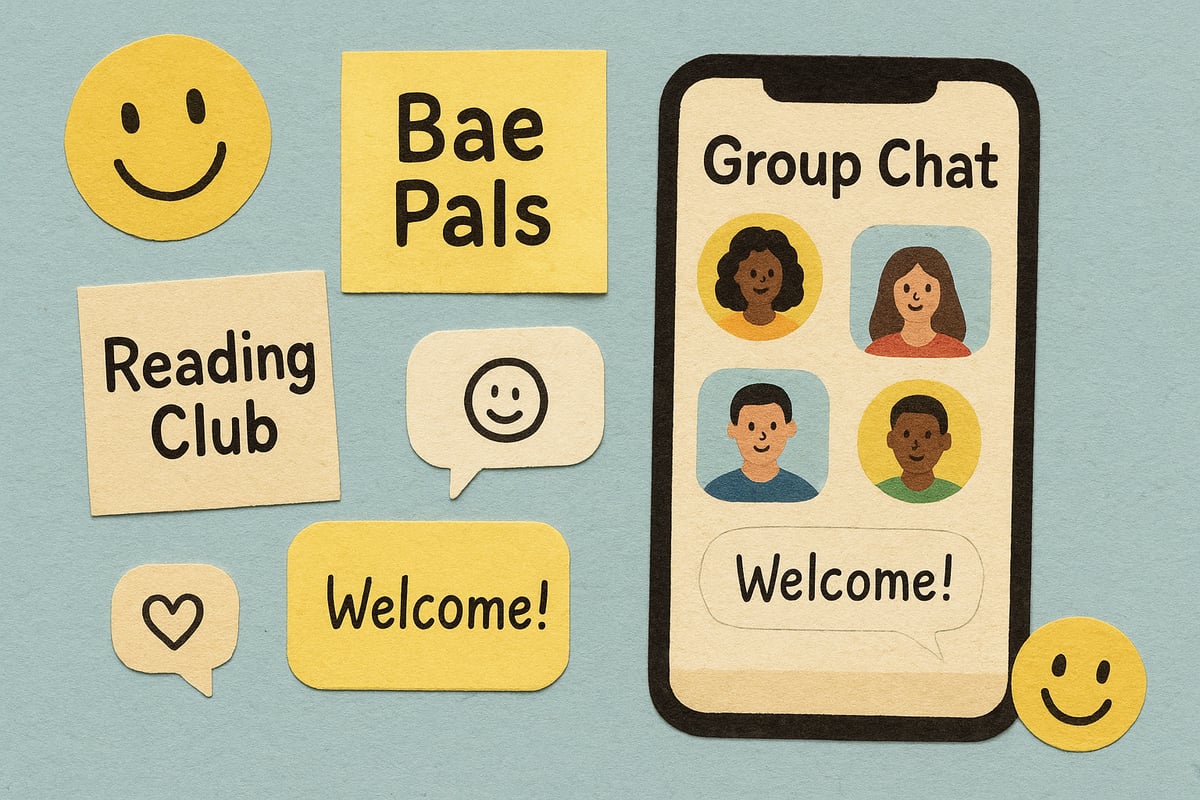
A group chat’s name is more than a label—it’s the front door to your shared space. Choosing something unique, playful, or meaningful gives the group instant identity. Compare “Bae Pals” to a generic “Family”—the former sparks a smile and is easier to spot in a crowded chat list.
A good group description acts as a gentle reminder of the group’s purpose and vibe. It can be as simple as “Our Friday night plans” or as detailed as “For sharing AI news and memes”. Visuals like a group photo, a quirky icon, or a rotating subtitle keep things feeling fresh.
- Memorable names make a group chat easier to find
- Clear descriptions help new members fit in
- Visual touches build a sense of belonging
Groups with specific names and descriptions are less likely to be muted or overlooked, making everyone feel part of something special.
Setting the Tone: Modelling Behaviour and Norms
The early days in a group chat set the tone for everything that follows. If you’re the host, your actions—welcoming new faces, reacting to first messages, or using custom emojis—show others what’s valued. The first few members often shape the culture, so their warmth and openness are key.
Prompt welcomes build trust. A quick “Hi, glad you’re here!” or a personal note makes all the difference, especially for quieter members. Acknowledging first contributions encourages everyone to join in, and playful elements like inside jokes or a shared emoji language help people bond.
Want more ideas for fostering positivity? Explore group chat etiquette best practices for gentle ways to keep things respectful and fun. A group chat works best when everyone feels safe to speak, and the culture adapts as new people join.
Confidentiality, Boundaries, and Expectations
Every group chat needs a gentle conversation about privacy and boundaries. Decide early if you want what’s shared to stay within the group, or if members are free to pass things along. Some groups use the Chatham House Rule, while others are more relaxed.
Platforms now offer features like message expiry or disappearing messages, which can help keep things private. As the group grows, it’s natural to introduce norms at a comfortable pace—nothing has to be set in stone from day one.
Unexpected moments happen, whether it’s a spontaneous act of kindness or someone promoting their side project. Having a group chat with clear boundaries makes it easier to handle surprises. Here’s a quick comparison of confidentiality options:
| Option | Privacy Level | Use Case |
|---|---|---|
| Open sharing | Low | Casual friend groups |
| Chatham House Rule | Medium | Sensitive discussions |
| Disappearing messages | High | Personal or private chats |
Groups that set expectations together see fewer conflicts and more lasting connections. The strongest part of a group chat isn’t the messages themselves, but the culture everyone builds, one thoughtful moment at a time.
Step 3: Managing Group Dynamics and Navigating Growth
Finding balance in a group chat is a bit like tending a shared garden. It takes care, patience, and a gentle nudge now and then. As your group grows, the dynamics shift and new challenges pop up. Let’s look at how to welcome new members, keep conversations healthy, and handle those tricky moments when someone leaves or things start to feel overwhelming.
Adding Members: Quality Over Quantity
When adding people to a group chat, start with a small core group that feels right. Think of it like inviting friends to a dinner table, not filling a stadium. Each new member shapes the mood and direction, so add thoughtfully and keep the group’s purpose in mind.
Rapid expansion can dilute trust and create friction. For larger or more focused groups, try using a simple intake question or a quick intro to set expectations. Admin tools can help you control invites and approvals, making sure every addition fits the group’s vibe.
A group chat thrives on connection, not numbers. Groups that grow gradually are more likely to stay engaged and keep their unique spark alive.
Moderation: Keeping Conversations Healthy
Moderation in a group chat is less about strict rules and more about gentle guidance. When a conversation gets off track or someone is disruptive, a quiet message or a friendly reminder can make all the difference. Think of it as steering the chat back on course, like a sweeper guiding a curling stone.
Encourage everyone to take part, especially quieter voices. Use prompts, memes, or polls to bring energy back when things stall. If a topic drifts, redirect with a light touch. Sometimes, a private chat with a member helps more than a public call-out.
For more tips on managing group chat dynamics, you can explore practical ways to keep everyone included and the conversation flowing. Remember, a group chat works best when everyone feels safe to speak, laugh, or just listen.
Handling Departures, Splits, and Chat Fatigue
Every group chat faces moments when someone leaves or the conversation quiets down. Seeing “Fraser McIntosh left the group” can feel awkward, but departures are a natural part of any group’s life. Treat these changes with understanding, and don’t take them personally.
Sometimes, as interests shift, it makes sense to create a subgroup or start a new chat. This keeps conversations relevant and avoids overwhelming everyone with too many notifications. Encourage members to mute the chat if they need a break, reassuring them it’s okay to step back.
A group chat should always feel welcoming, never like an obligation. Check in now and then to see what the group needs. Adapt as people’s lives change, and let the group evolve or even pause if that’s what feels right. By respecting each member’s space and pace, you help your group chat stay a place of comfort and connection.
Step 4: Mastering Group Chat Planning and Coordination
We have all been there—opening a group chat, only to find a sea of messages about dinner plans, birthday gifts, or work shifts. The more people join, the harder it gets to keep track and make decisions together.
If planning in a group chat feels overwhelming, you are not alone. Let us look at why group planning can get messy and how to make it feel lighter for everyone.
The Planning Challenge: Why Chats Get Chaotic
Planning together in a group chat often starts out with good intentions, but it can quickly turn into a maze of messages and missed details.
Common pain points include:
- Endless back-and-forth with no clear decision
- Scheduling conflicts that never get resolved
- Polls that go unanswered or get lost in the scroll
These issues can lead to decision fatigue. When everyone is busy, it is easy for a group chat to stall or for plans to get buried under memes and side conversations. In fact, 70% of group chats say planning is their main source of stress.
If you have ever felt pressure to reply or keep up, remember that a group chat is meant to help, not overwhelm. Sometimes, letting things be undecided is perfectly fine.
Lightening the Load: Human-Centred Coordination Approaches
A group chat should make planning feel easier, not heavier. The best coordination feels like a gentle nudge, not a demand.
Here are a few ways to keep things light:
- Treat indecision as normal—“we’ll figure it out later” is always an option.
- Share suggestions instead of instructions. For example, “Anyone up for a coffee this week?” feels friendlier than a strict poll.
- Rotate planning roles so one person is not always responsible.
- Use simple check-ins to see who is available, and avoid putting pressure on anyone to respond right away.
In a group chat, clarity and kindness go a long way. When everyone feels included, it is easier to reach a plan—if not, it is also fine to pause and try again another day.
How Groop Simplifies Group Planning
If you are looking for a lighter way to plan in a group chat, Groop offers a refreshing approach. Groop is designed to make group planning effortless and stress-free.

Key features include:
- Automated scheduling that suggests times without flooding the chat
- Clear options, so everyone can see what is possible at a glance
- Individual preferences stay private, so no one feels exposed or rushed
Groop treats a group chat as a space for gentle suggestions, not pressure. Everyone gets an equal say, and no one is forced to decide on the spot. Planning stays light, natural, and free from endless message threads.
You can even join Groop’s early beta and help shape a tool made for real people and real conversations.
Step 5: Future-Proofing Your Group Chat Experience
The way we connect keeps changing, but one thing is certain: a group chat will always be at the heart of our digital lives. By staying flexible and open to new tools, we can make sure our group spaces keep feeling fresh, friendly, and fun.
Adapting to New Tech and Trends
Every year brings new features that can make a group chat feel more alive. AI helpers now offer smart suggestions or gentle reminders, making planning feel lighter. Voice notes and video snippets are everywhere, letting us share more than just words.
Many platforms now offer real-time translation, so a group chat can welcome friends from anywhere. Integrations with calendars, polls, and external apps help keep things organised without feeling forced. For example, Slack bots can remind us of important dates, while WhatsApp’s disappearing messages keep conversations feeling private and relaxed.
The key is to try out new features at your own pace. Let the group decide what feels natural, and remember that a group chat should always adapt to its people, not the other way around.
Balancing Digital and Human Connection
Spending time in a group chat can be energising, but sometimes it gets overwhelming. Setting boundaries is essential. Muting notifications, taking breaks, and respecting downtime helps everyone feel safe and respected.
Encourage meaningful conversations over just lots of messages. Sometimes, the best thing is to suggest a real-life meetup when the time feels right, or even move the group to a new platform if it better suits everyone’s needs. Think of a group chat as a digital “third place”, somewhere between home and work where community can grow.
Here are a few gentle ways to keep things balanced:
- Suggest “quiet hours” for the group.
- Remind everyone that it’s okay to step back when needed.
- Celebrate moments when the chat brings people together in real life.
Building Resilient, Enjoyable Group Chats
A group chat that lasts does so because it keeps evolving. Check in now and then about the group’s purpose and who’s involved. It’s healthy for a chat to split, change, or even end when the time is right.
Celebrate milestones, inside jokes, and achievements. These little rituals help a group chat feel like a living, breathing space. Keep things light and adaptable, and don’t be afraid to let go of old habits if they no longer serve the group.
Groups that do regular “health checks” tend to be happier and stick together longer. The real secret to mastering a group chat is making space for connection, fun, and flexibility. That way, whatever the future brings, your group will always feel like home.We all know how quickly group chat planning can spiral, leaving us wading through endless messages and still feeling unsure about what's next. If you've ever wished for a way to keep things easy, natural, and pressure free, you're definitely not alone. That's exactly why Groop exists—to help us coordinate with friends without the usual chaos, letting everyone have a say while keeping things light and stress free. If you're ready to experience smoother, more enjoyable group planning in 2026, why not join the beta and help shape the future of group chats with us?