
Articles
The Ultimate Guide to Thriving in the Group Chat 2026
Discover how to thrive in the group chat in 2026 with friendly tips on etiquette, boundaries, fun and connection. Let us help make every chat meaningful for you.

Ever felt a bit lost, overwhelmed, or even invisible in the group chat? You’re definitely not alone. For many of us, these chats are a lifeline to friends, family, and fun, but they can also be a source of stress and confusion.
It’s easy to love the inside jokes and shared moments, but not so easy when notifications never stop, or when silence suddenly feels awkward. If you’re looking for ways to make life in the group chat lighter, friendlier, and less draining, you’re in the right place.
This guide is here to help you find your voice, set healthy boundaries, and enjoy the best parts of digital connection. Together, we’ll explore group chat culture, new etiquette, boundaries, conflict, healthy participation, and simple tools for stress-free planning. Let’s make thriving in the group chat a reality—on your terms.
Understanding the 2026 Group Chat Landscape
Modern life often plays out in the group chat, where every ping, emoji, and poll shapes our daily rhythm. In 2026, these digital spaces have become richer, more complex, and—at times—a little overwhelming. Whether you’re part of a lively meme thread or planning the next family holiday, understanding how group chats have evolved can help us feel more at ease.
The Evolution of Group Chats
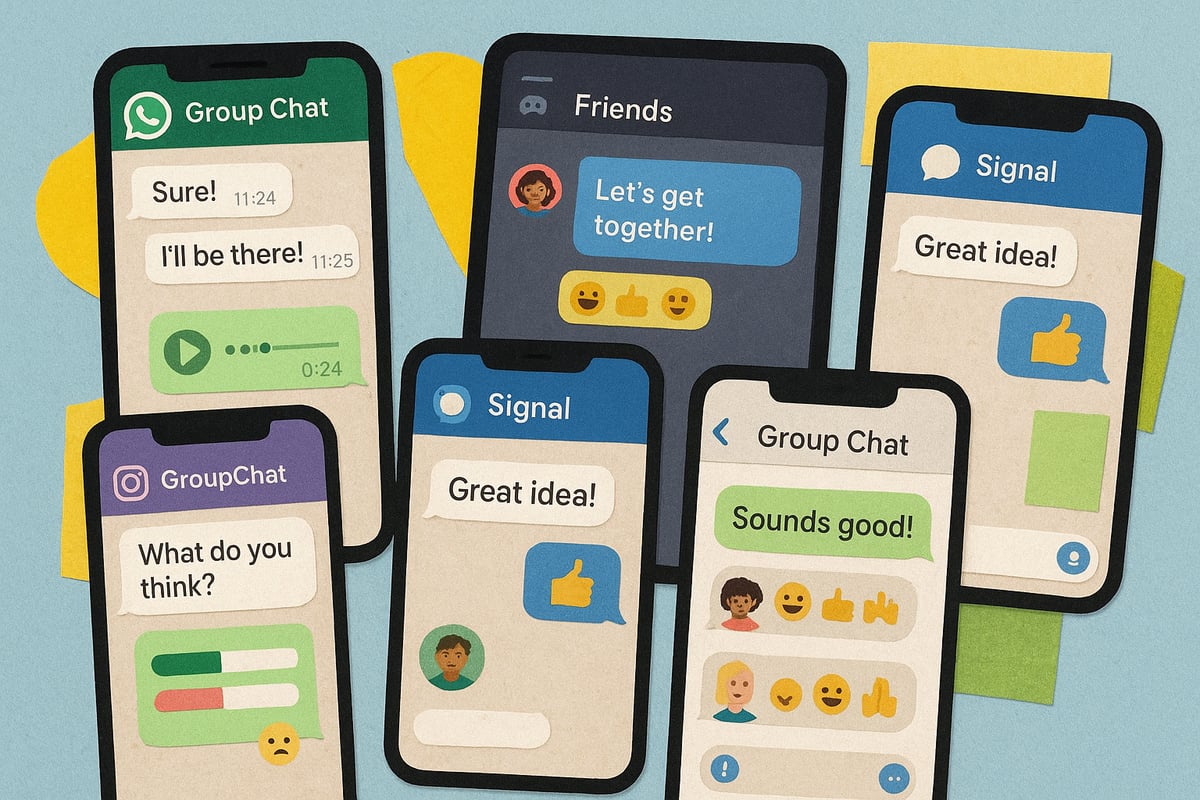
Since 2020, in the group chat has taken on a life of its own. What began as simple text threads has blossomed into a multi-platform universe. Now, most of us juggle WhatsApp, Discord, Signal, iMessage, and Instagram DMs, often all at once.
New features have changed how we interact. Voice notes let us send a quick hello, reactions and emojis help express feelings instantly, and built-in polls make decisions easier. AI moderation has gently started to shape conversations, nudging us towards kinder exchanges.
Viral group chats now shape pop culture, with shows like “Inside the Group Chat” podcast highlighting their influence. These spaces are no longer just for friends—work teams, hobby groups, and families all rely on them. According to The Everyday (2025), 80% of UK adults are active in at least three group chats. It’s clear that in the group chat, we’re finding new ways to connect and organise our lives.
Why Group Chats Matter in 2026
There’s something special about belonging in the group chat. These digital circles act as our modern tribes—places where we share inside jokes, support each other, and stay updated in real time.
Whether it’s a friendship group, a family thread, or a project team, each chat offers a sense of identity and belonging. We laugh at the same memes, plan spontaneous get-togethers, and rally around each other during tough moments.
But there’s a flip side. The constant notifications can lead to fatigue, and sometimes, it’s easy to feel invisible if conversations move too fast. Research from The Everyday (2025) shows that while digital chats can boost joy, they can also bring stress. In the group chat, we find both connection and challenge, making it important to approach these spaces with care.
Types of Group Chats (and Why They Form)
Group chats form for all sorts of reasons, each with its own vibe. Some help us plan holidays, parties, or big life events—think “Hen Do 2026” or “Family Summer Trip.” Others are ongoing spaces for friends to catch up, share memes, or vent about the day.
Here’s a quick look at common types:
| Chat Type | Purpose | Example Name |
|---|---|---|
| Event Planning | Organising trips or parties | “Stag Weekend” |
| Friendship Groups | Everyday banter, support | “The Girls” |
| Family Updates | Staying in touch | “Mum’s News” |
| Work/Project Teams | Collaboration, updates | “Project Alpha” |
| Meme/Venting Chats | Safe space for sharing | “Venting Vault” |
Sometimes, one group chat is the “venting vault” for honest rants, while another is strictly for event planning. Knowing the purpose of each makes it easier to participate in the group chat without feeling lost or overwhelmed.
Ultimately, thriving in the group chat comes down to understanding why each space exists. Whether you’re there for fun, support, or coordination, clarity helps everyone feel included and valued.
Group Chat Etiquette: The New Rules of Engagement
Group chats can feel like a buzzing room—sometimes full of laughter, sometimes just a sea of unread messages. Good etiquette helps everyone feel comfortable in the group chat, no matter their style or schedule. These new rules are about making your digital hangouts friendlier, lighter, and much less stressful.
Responding Without Overwhelm
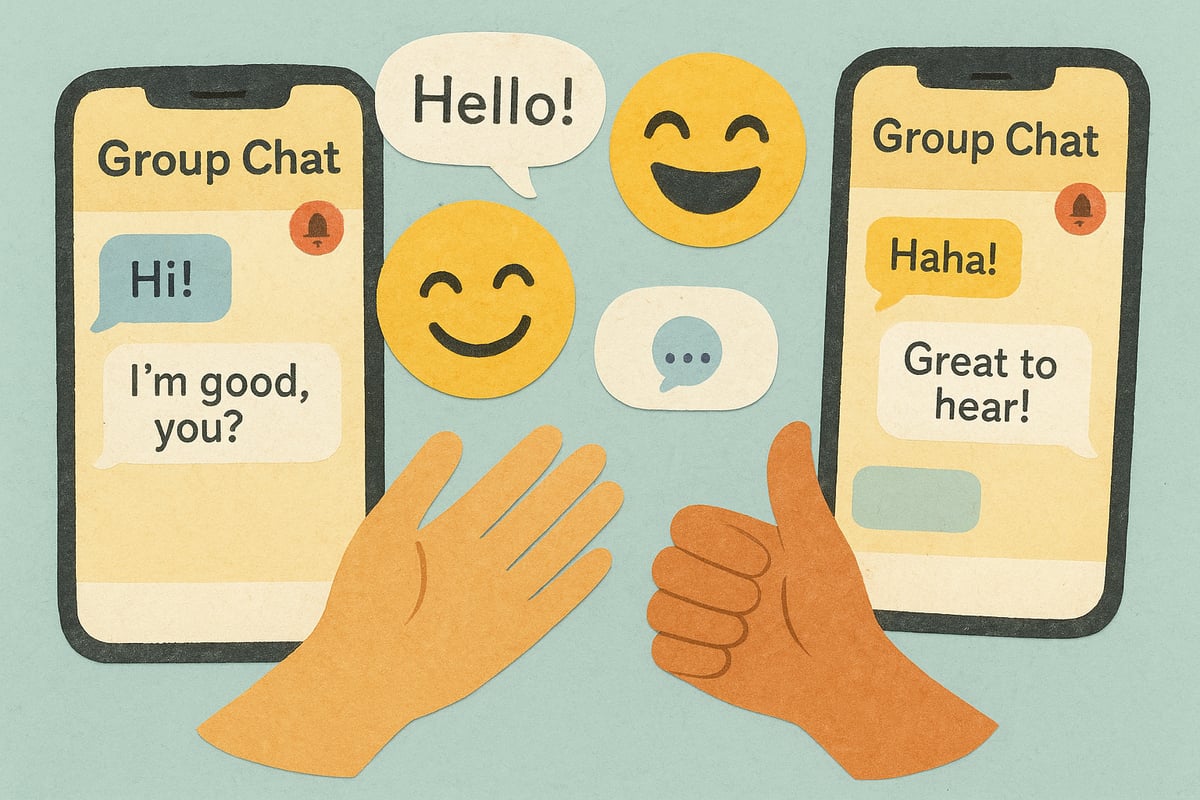
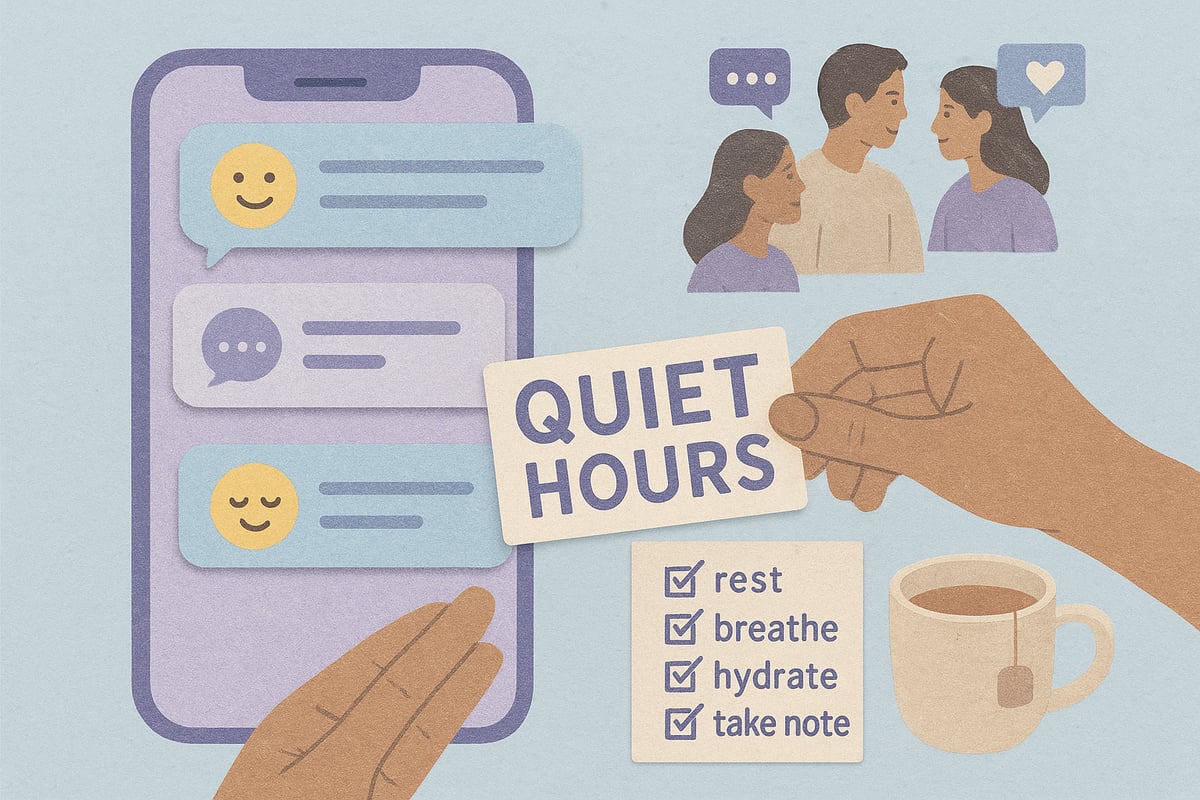
It’s easy to feel pressure to reply instantly in the group chat, but it’s okay to take your time. Most people dip in and out when it suits them, and that’s normal. Muting or archiving chats, or setting quiet hours, can help you stay present without feeling guilty.
Everyone has different rhythms and time zones. Some reply with a quick emoji, others wait until they have a moment to catch up. The “seen” notification isn’t a demand for an answer. In the group chat, respecting these differences lets everyone breathe a bit easier.
Navigating Reactions, Memes, and Inside Jokes
Reactions, emojis, and memes are the secret sauce of group chats. They build connection and keep things light. Just remember, what’s funny or familiar to one person might not land for another.
If you’re sharing a meme or an inside joke, add a bit of context for anyone new. A simple “throwback to last week’s pub quiz” can help everyone feel included. In the group chat, inclusivity turns a conversation into a true digital hangout.
Privacy, Consent, and “Keeping It in the Group”
Trust is the backbone of any good group chat. Before forwarding screenshots or sharing messages outside, check in with the group first. Some things are meant to stay private—especially personal stories or sensitive topics.
For more tips on respectful sharing and boundaries, see Group Chat Etiquette: 10 Tips to Help Your Family Navigate the Digital Chatter. In the group chat, privacy and consent help everyone relax and speak openly.
When to Step Back or Leave Gracefully
Sometimes a group chat just stops feeling right. Maybe the topic has drifted, or you’re not getting what you need. It’s okay to mute, step back, or even leave. If you go, a simple private message can keep things friendly.
Setting boundaries in the group chat is healthy, not rude. Curating your digital spaces means you can focus on the connections that matter most, without stress or guilt.
Setting Boundaries and Managing Group Chat Stress
Feeling overwhelmed in the group chat is more common than you might think. It’s easy to get swept up by constant notifications, endless conversations, and the subtle pressure to always be “on.” If you’ve ever felt your phone buzzing non-stop or found it hard to keep up with every message, you’re definitely not alone. Let’s explore gentle ways to set boundaries, care for your wellbeing, and make group chats feel lighter and more manageable.
Recognising Digital Overload
Sometimes, the sheer volume of messages in the group chat can leave us feeling frazzled. Signs of digital overload might include anxiety when your phone pings, difficulty focusing on other tasks, or just a sense of exhaustion from keeping up.
Here are a few signs you might be experiencing group chat burnout:
- You feel a sense of dread when opening the chat.
- You find yourself rereading messages to catch up.
- Notifications interrupt your relaxation or sleep.
Recent data shows that 60% of users report feeling overwhelmed by group chat notifications. If you notice these feelings, it’s not selfish to step back or even leave. For expert advice on how to do this with care, check out How to Gracefully Exit Your Group Chat. Remember, your wellbeing in the group chat matters most.
Creating Healthy Participation Habits
Building gentle boundaries in the group chat doesn’t mean cutting yourself off. Instead, it’s about finding rhythms that feel kind and manageable for you.
Try these easy habits:
- Mute or customise notifications for quieter times.
- Use “do not disturb” modes during meals or after work.
- Schedule short check-ins rather than feeling glued to your phone.
You get to decide when and how you show up in the group chat. Turning off notifications after 7 PM or only checking messages at set times can help you stay present in your real life, too. Participation should always fit your life, not the other way around.
Balancing Digital and Real-Life Connection
It’s easy to let the group chat become your main social space, but nothing replaces the warmth of face-to-face moments. Research shows that in-person time strengthens our bonds in ways digital chats can’t fully match.
Think of the group chat as a helpful tool for planning real-life meetups, not a substitute for genuine connection. Use it to coordinate coffee dates or weekend plans, then put your phone down and enjoy being together. When in the group chat, focus on making it a bridge to real experiences, not just endless online chatter.
Respecting Different Comfort Levels and Communication Styles
Not everyone wants the same thing from in the group chat. Some friends love sharing memes and emojis, while others prefer practical updates or occasional check-ins.
Be mindful of those who might feel overwhelmed by constant messages or who enjoy quieter digital spaces. “Quiet” group chats, where people only check in now and then, can be just as meaningful. Flexibility and empathy help everyone feel comfortable in the group chat, no matter their style or schedule.
Navigating Conflict, Drama, and Difficult Conversations
It’s normal to hit a few bumps in the group chat. Even the friendliest spaces can get tense, especially when messages are flying, and it’s hard to read tone. The good news is, we can all help make in the group chat feel safer, lighter, and less stressful, even when things get tricky.
Spotting Early Signs of Tension
Tension often starts small in the group chat. It could be a sarcastic reply, a message that gets “hearted” but not answered, or a sudden lull after a misunderstood joke. Sometimes, a simple “seen” notification with no follow up can spark feelings of being left out.
Look for these early signs:
- Short or abrupt replies
- Reactions without context
- One person dominating the conversation
- Muted responses after a disagreement
If something feels off in the group chat, gently checking in or clarifying intentions can stop bigger issues before they start. Often, a kind message like “Did I read that right?” or “Just checking, are we all good?” can clear the air and remind everyone we’re here for connection, not drama.
How to Disagree (Without Blowing Up the Chat)
Disagreements are part of real friendships, even in the group chat. The key is to keep things honest but gentle. Using “I” statements helps share how you feel without blaming others, like “I felt left out when the plans changed” instead of “You never tell me anything.”
If a conversation starts to heat up, consider taking it private. Sometimes, a quick voice note or one-to-one chat can solve what dozens of messages cannot. For example, if event planning starts to spiral, a private check-in can help everyone feel heard.
Remember, it’s normal to disagree in the group chat. What matters is listening, responding with kindness, and letting people know their feelings are valid.
Setting and Communicating Group Norms
Every group feels different in the group chat, so it helps to talk about what works for everyone. Set simple ground rules together, like:
- What topics are OK (or off-limits)
- When to expect replies (or not)
- How to handle disagreements
Rotating who sets the agenda or moderates can keep things fair. Some groups even create polls to decide on chat “vibes” or event planning rules. Research shows that good moderation can actually improve wellbeing and reduce drama The Effect of Moderation on Online Mental Health Conversations.
Clear group norms help everyone relax, knowing what’s expected and how to keep things friendly.
When to Mediate, Mute, or Move On
Sometimes, the healthiest thing is to step back. If a chat feels more stressful than supportive, it’s OK to mute notifications or even leave. Protecting your peace is valid. Try:
- Muting drama-heavy chats for a while
- Taking a break and checking in later
- Saying a kind goodbye if you decide to leave
In the group chat, your wellbeing comes first. There’s no shame in curating your digital circle to suit your needs.
Making Group Chats Feel Lighter, Friendlier, and More Fun
A great group chat should feel like a safe, easy space—a place where everyone can join in, share a win, or just have a laugh. When things get busy or awkward, it helps to focus on making in the group chat lighter, friendlier, and more fun for everyone.
Encouraging Inclusive Participation
It is easy for some voices to get lost in the group chat, especially when the conversation moves quickly. Inviting quieter members to share, without any pressure, helps everyone feel included. A simple “How’s everyone’s week?” or a rotating “question of the week” can open the door for those who need a nudge.
Little prompts like sharing a meme, a small win, or even a check-in message can spark conversation. Even a short daily message can lift someone’s day. In fact, research shows that one short chat a day with friends can help mental health, reminding us that even brief moments in the group chat matter.
The best group chats keep things welcoming and allow everyone to join in when it feels right.
Streamlining Planning and Decision-Making
Organising anything in the group chat can quickly spiral into a loop of “What works for you?” or “Who’s free when?” Built-in tools like polls and shared calendars make decisions easier. Instead of endless back-and-forth, a quick poll can help the whole group choose a date or location with less fuss.
Try using features that check people’s availability or gather opinions without needing long threads. This way, planning feels lighter, and no one feels left out. In the group chat, clarity and simplicity mean everyone can focus more on the fun and less on the logistics.
When planning is simple, participation feels more enjoyable for all.
How Groop Makes Group Planning Effortless
Groop is designed to take the chaos out of planning in the group chat. It offers clear, pressure-free options for hangouts and events. Automated scheduling checks everyone’s availability privately, so no one has to announce their calendar to the world.
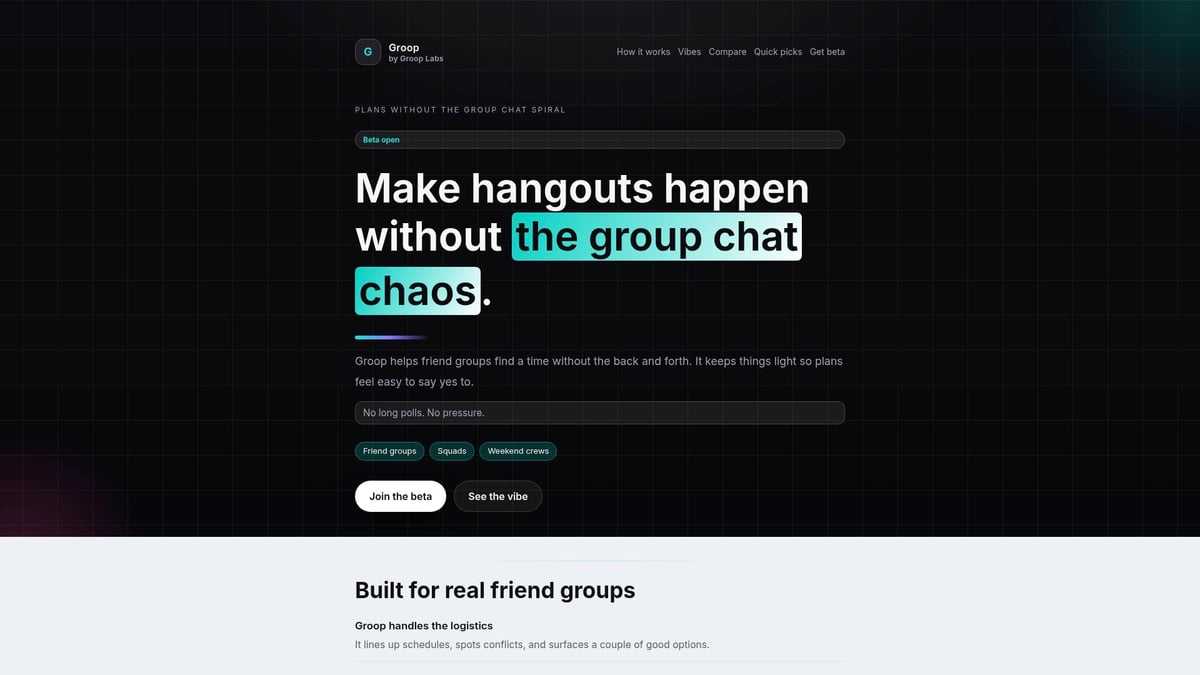
There is no more organiser burnout or endless polls. Everyone gets an equal say, and decisions happen at the group’s pace. Groop keeps things light, so planning is just another way to connect, not a source of stress.
For example, Groop can surface “Friday after school” or “Saturday afternoon” as options, making choices feel simple and fair to all in the group chat.
Celebrating Wins and Supporting Each Other
Group chats are perfect for sharing achievements, good news, or just cheering each other on. A quick “Well done!” or sending a funny sticker can make someone’s day. When life gets tough, a supportive message or a listening ear in the group chat can mean everything.
The best group chats are safe places to celebrate, vent, and support each other, no matter what is happening outside.
Re-Evaluating Your Group Chat Memberships
It’s easy to get swept up in the excitement of every new invite, but sometimes it helps to pause and ask what really serves us in the group chat. As our digital lives shift, making space for what matters most becomes a gentle act of self-care.
Knowing When to Stay, Mute, or Leave
Sometimes we find ourselves in the group chat, scrolling through endless messages that feel more draining than uplifting. If a chat is full of noise or no longer brings joy, it’s okay to reflect on its place in your life.
- Ask yourself: Does this chat make me smile, or sigh?
- Muting or archiving can offer breathing room without burning bridges.
- Leaving is valid if you’ve outgrown the space or need a break.
Many people keep family or close friends’ chats and quietly step back from others. Remember, curating your digital spaces is an act of kindness to yourself. There’s no need to feel guilty for making choices that fit your own pace in the group chat.
Making Space for What Matters
When notifications pile up, it’s easy to feel like you’re missing out or falling behind in the group chat. But stepping away can actually create more space for the things you love.
Try muting busy chats or setting aside phone-free moments each day. This gives you more time for creativity, hobbies, or just a peaceful cup of tea. Many people notice their mood lifts when they lower their screen time by leaving or muting less meaningful chats.
It’s about finding balance—letting go of digital clutter so you can focus on deeper connections, both online and off, in the group chat.
Embracing “Less is More” in Digital Social Life
Quality over quantity truly pays off in the group chat. You might discover that fewer, more intentional chats lead to stronger bonds and less digital overwhelm.
- Occasional check-ins with a core group keep things meaningful.
- Celebrate small wins and support each other without pressure to reply constantly.
- Enjoy the freedom to dip in and out as life allows.
When you choose what fits, you’ll find that thriving in the group chat is about making it work for you—not the other way around.So, if you’re ready to ditch the endless back and forth and actually enjoy your group chats, why not take that next step? We all deserve a digital space that feels easy, fun, and genuinely connecting—without the stress of constant notifications or decision overload. With Groop, you can keep planning simple, give everyone a voice, and actually look forward to making plans together. Let’s make group chats work for us, not against us. Fancy seeing how this could work for your group? Check us out and see what a little calm coordination can do.