
Articles
Friend Group Chat Guide: Building Stronger Bonds in 2026
Discover how to make your friend group chat more meaningful in 2026 with tips for connection, conflict, fun and planning. Build closer friendships together.

It’s 2026, and your phone lights up again with a ping from your friend group chat. Someone’s shared a new meme, another person’s asking if anyone’s free this weekend, and the familiar flow of jokes and reactions makes you smile. There’s comfort in knowing you’re always just a message away from your friends, no matter how busy life gets.
But as these digital spaces become our main gathering place, they shape more than just plans or punchlines. They create a sense of belonging, and sometimes, a feeling of being left out. Have you ever wondered how a friend group chat can move beyond memes and catch-ups to become a real source of support and connection?
This guide offers gentle, practical ideas for making your group chat more inclusive, meaningful, and fun. We’ll explore the psychology behind group chats, how to set healthy norms, manage conflict, balance online and offline moments, and use new tools to keep things light and pressure free.
The Evolving Role of Group Chats in Friendships
Group chats have become the heart of friendship in the digital age. Think of a friend group chat as a cosy living room—everyone’s welcome to drop in, share a joke, or just listen in the background. These spaces define who’s “in” and who feels part of the group. On college campuses, it’s common to see friend group chat threads buzzing with event plans and shared memes, helping everyone feel included even when schedules clash. According to research on the impact of aggressive group norms, the way we interact in these chats shapes our sense of belonging and the unspoken rules we follow. In larger circles, friend group chat helps people stay connected, no matter how busy life gets, reinforcing shared identity and comfort.

How Group Chats Shape Modern Social Circles
The friend group chat is more than just a message thread—it’s the anchor for friendships. These chats create a sense of exclusivity and belonging. Everyone knows the feeling of being added to a new group and instantly feeling “seen.” On campuses, friend group chat is essential for coordinating plans, sharing news, or just keeping in touch when everyone’s busy. The shared norms, inside jokes, and daily check-ins build a unique group identity. Even if someone is quiet, just being present in the group helps them feel part of the collective.
From Memes to Meaning: The Emotional Impact
A friend group chat can be a rollercoaster of emotions. There are highs, like laughing at inside jokes or rallying around someone who needs support. But there are lows too—memes about being left on “read” are popular because they’re so relatable. Most people say that friend group chat makes them feel more connected, but it can also sting when messages go unanswered. Sometimes, there’s a “mask” of friendliness, hiding real feelings. The way we interact online can boost self-worth, but it can also leave us feeling overlooked if we’re not careful.
The Challenges Unique to Digital Friendship Spaces
Navigating a friend group chat isn’t always simple. Digital spaces can lead to misunderstandings, especially when messages are rushed or unclear. Sub-groups and shifting alliances sometimes cause drama that carries over into real life. Larger friend group chat circles often see more complex conflicts, with some members feeling left out or pressured to keep up with constant notifications. The line between digital and real-world friendship is blurrier than ever, making it important to stay mindful and supportive as we connect online.
Setting the Tone: Establishing Healthy Group Chat Norms
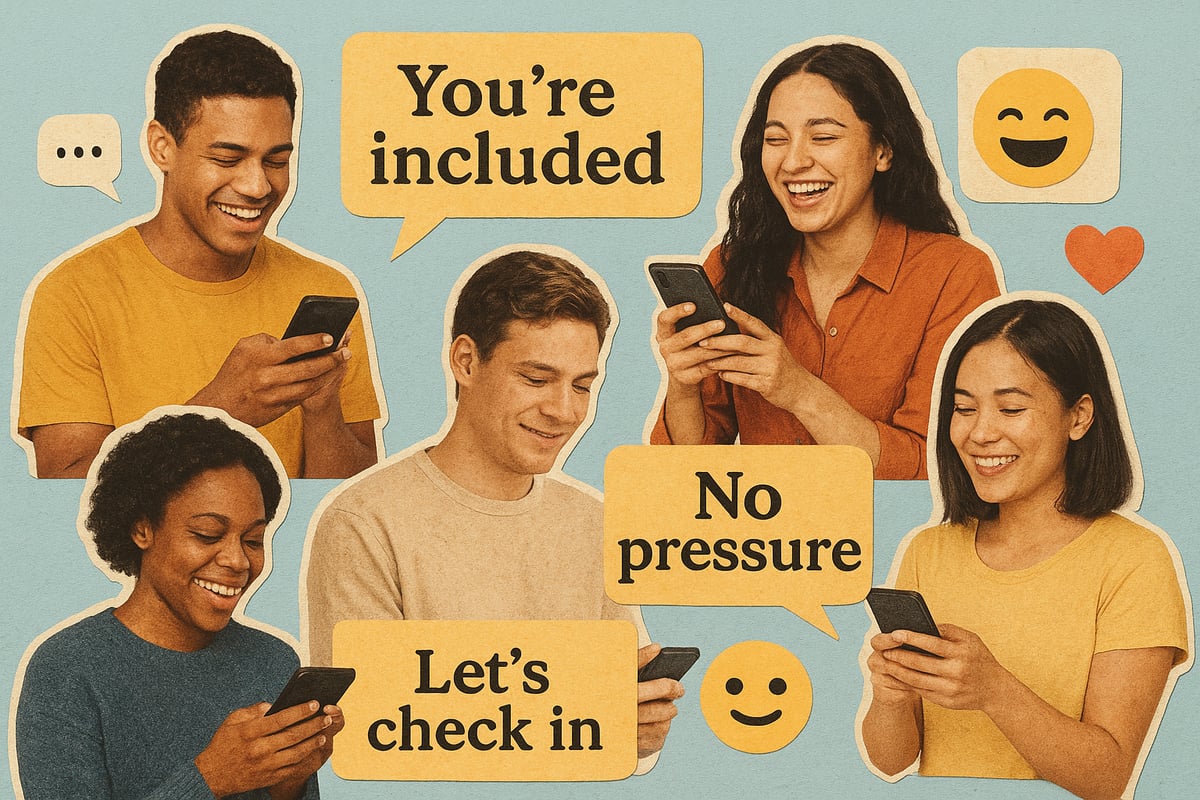
Group chats can feel like a digital living room, but only if everyone feels truly welcome. The right friend group chat norms make all the difference, shaping a space that feels open, light, and genuinely fun for all of us.
Creating a Welcoming and Inclusive Environment
A friend group chat thrives when everyone feels seen and valued. Little things, like avoiding inside jokes at someone’s expense and making space for quieter voices, help set a positive tone. Rotating admin roles can share the responsibility and keep things fair. Groups that set “no-pressure” reply expectations often notice less anxiety and more genuine engagement.
It helps to talk about both the unspoken and spoken rules. When we’re clear about what’s okay and what’s not, everyone relaxes. Insights from Attitudes Toward Ethical and Communicative Norms in Student Group Chats show that groups with agreed norms have fewer conflicts and more connection. A friend group chat where norms are open and kind makes belonging feel natural.
Communication Styles That Bring People Together
How we talk in a friend group chat sets the whole mood. Positive words, celebrating each other’s wins, and checking in on quiet members go a long way. Even a simple “How’s everyone doing?” can make someone’s day brighter.
Emojis, gifs, and voice notes add warmth and help avoid misunderstandings. It’s best to keep sarcasm and vague messages to a minimum, as they’re easily misread. Sharing real life, not just memes, invites deeper connection and helps the friend group chat feel more supportive.
Managing Group Size and Dynamics
The size of a friend group chat really matters for how connected everyone feels. Groups with 5 to 8 people tend to have the most lively conversations and fewer missed messages. When there are many members, it’s helpful to create separate chats for different purposes, like planning versus casual chat.
Adding or removing members can be sensitive. Being open about these changes helps everyone feel respected. If sub-groups form, transparency keeps the main friend group chat healthy and prevents anyone from feeling left out.
Balancing Activity: Avoiding Overwhelm and Neglect
No one wants to feel overwhelmed by endless pings or guilty for missing messages in a friend group chat. Setting gentle expectations for response times, and agreeing on “quiet hours,” makes space for real life. Muting notifications or taking breaks should always be guilt-free.
To keep things lively without pressure, try sharing a fun poll, or letting the chat go quiet sometimes. There’s no need for anyone to carry the weight alone. In a balanced friend group chat, everyone feels free to join in when they can and step back when they need to.
Navigating Conflict and Exclusion in Group Chats
Navigating the tricky moments in a friend group chat can feel a bit like walking a tightrope. One day, everyone is laughing at the same meme. The next, a single ignored message can leave someone feeling invisible. In these digital living rooms, small misunderstandings can quickly snowball if we are not careful. Here is how we can keep things supportive and welcoming for everyone.

Recognising and Addressing Neglect
It is easy for someone to feel left behind in a friend group chat, especially when replies slow down or inside jokes start to fly. Signs of exclusion include unanswered messages, ongoing conversations that leave some people out, or subtle jokes that only a few understand. Even memes can highlight the sting of being left on “read”. According to recent insights, around 1 in 3 people have felt left out in group chats at some point.
Group norms play a big role here. Research on Adaptive User Behavior to Social Norms in Telegram Communities shows just how much group behaviour shapes how we interact online. If the tone leans towards inclusivity, everyone feels safer speaking up. Gentle check-ins with quieter friends and validating everyone’s contributions can go a long way in making the friend group chat feel like home.
Handling Disagreements and Drama
Conflicts happen, even in the best friend group chat. Sometimes a playful nickname change goes sideways, or a heated debate turns personal. The key is to keep things light and respectful. It helps to move sensitive conversations to private messages, use humour to defuse tension, or suggest a “cooling off” period if things get too heated.
Setting simple group norms, such as “let’s keep disagreements kind,” can prevent lasting rifts. If a topic feels too charged, it is okay to pause and revisit it later. Groups that address issues early tend to avoid bigger dramas down the road and keep the friend group chat a happier space for everyone.
When to Speak Up or Take a Break
Finding the balance between being true to yourself and keeping group harmony is not always easy. Sometimes you might need to voice concerns about feeling left out or overwhelmed in your friend group chat. Other times, stepping back for self-care is the healthiest choice, and that is completely valid.
If you decide to speak up, try to do so with kindness and openness. Let others know how you feel, without blaming or shaming. If you need a break or even want to leave the friend group chat, remember that your wellbeing comes first. Open, non-judgemental conversations help everyone understand and grow together.
Supporting Each Other Through Ups and Downs
The best friend group chat is one where everyone feels supported, both in good times and tough moments. Celebrate each other’s wins, share encouragement, and be there when someone needs to vent or lean on the group. A simple “thinking of you” or a funny gif can make a big difference.
When we create a culture of kindness and support, the friend group chat becomes more than just a place for plans and jokes. It turns into a safe space where real friendships can grow and thrive.
Making Plans Without the Pressure: Lightening the Logistics
Ever found yourself stuck in a friend group chat, scrolling through a sea of “When’s everyone free?” messages, only to end up with no actual plan? You’re not alone. Organising meetups in a friend group chat often turns into a cycle of missed messages, confusion, and decision fatigue. It’s easy for logistics to take over, leaving the chat feeling more like work than fun.
The Problem with Traditional Group Chat Planning
In most friend group chats, making plans can feel like herding cats. Endless back-and-forth messages pile up, and someone always misses the key detail or gets left out of the loop. It’s common to see a group chat go quiet after too many “I’m not sure yet” replies. In fact, around 70% of group chat users say that planning through these chats is stressful or just doesn’t work well.
When logistics take over, the friendly energy of the friend group chat can fade fast. Plans often fall through because it’s tough to get everyone on the same page. Sometimes, organising a simple hangout can start to feel like managing a project. No wonder so many people end up saying, “Let’s just figure it out later.”
How Groop Simplifies Group Planning
Groop is designed to bring the fun back to your friend group chat by keeping planning light and pressure-free. Instead of endless messages, Groop handles the logistics in the background. It checks everyone’s availability automatically, shows clear options for meetups, and lets people suggest ideas without any pressure.
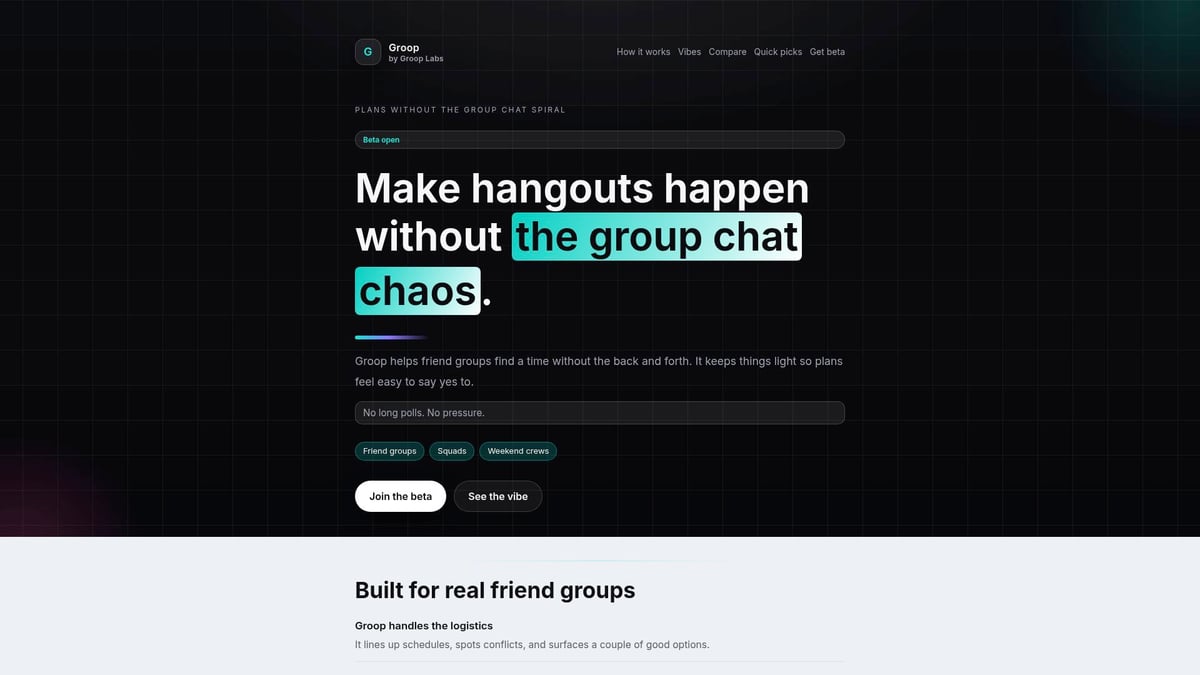
The interface is made to feel natural and inviting, never urgent or demanding. Everyone gets a say, but no one is expected to take charge unless they want to. For example, a group can use Groop to quickly see when most people are free, pick a time with a simple poll, and move on to sharing memes or chatting about life. Planning becomes just another way to connect, not a chore.
Keeping the Social Vibe Alive While Organising
Even when planning, it’s possible to keep your friend group chat feeling relaxed and fun. Try using polls, reaction emojis, or even a meme or two to let people share their preferences in a playful way. Set up a dedicated thread or channel for planning, so the main chat stays clutter-free and social.
Remember, participation is always optional. If someone isn’t ready to decide, that’s okay. Using tools like Groop alongside your friend group chat means you can coordinate plans without anyone feeling left out or overwhelmed. And if plans change or fall through, treat it as just another story to laugh about together.
Strengthening Bonds Beyond the Screen
It’s easy for a friend group chat to feel like the main place where friendships live, but some of the best moments happen when those digital connections spill into the real world. With so much of our social life happening online, finding ways to turn those group chat laughs and plans into real memories matters more than ever.
Turning Digital Connection into Real-World Moments
A friend group chat can be the spark for spontaneous meetups and lasting traditions. Ever had a meme turn into an impromptu coffee date or a random poll decide your next movie night? These small moments bridge the gap between the screen and real life.
Groups that find ways to meet up regularly, even just once a month, often discover their bonds growing stronger. Whether it’s a standing pizza night or a group trip planned months in advance, shared experiences outside the chat help everyone feel more connected.
If some friends live far away, include them with video calls or shared playlists so they stay part of the fun. According to U.S. Millennials' Frequency of Using Group Chat, most young adults use group chats often, proving these spaces are a natural base for building real-world connections.
Fostering Deeper Conversations and Support
A friend group chat isn’t just for memes and logistics. It can also be a safe space for honest check-ins, open conversations, and genuine support. Try starting a “rose and thorn” thread, where everyone shares a highlight and a challenge from their week. This simple habit invites vulnerability and reminds everyone they’re not alone.
Encourage sharing personal wins, worries, or random stories. Empathy and active listening go a long way, helping the group feel like a real support network. Sometimes, a heartfelt message or a caring emoji is all it takes to remind someone they matter.
When people feel comfortable being themselves in the friend group chat, those bonds naturally deepen, both online and off.
Respecting Boundaries and Digital Wellbeing
It’s just as important to look after everyone’s wellbeing in a friend group chat as it is in person. Agree on simple boundaries together, like not expecting instant replies or respecting “quiet hours” when people need a break.
Muting notifications shouldn’t come with guilt. Encourage self-care by letting friends know it’s okay to step back if they’re feeling overwhelmed. These gentle agreements help everyone feel more relaxed and satisfied with the group.
By supporting each other’s need for space, your friend group chat remains a welcoming place, free of pressure and full of genuine connection.
Future-Proofing Your Friend Group Chat in 2026 and Beyond
The digital world never stands still, and neither do our friendships. As we move into 2026, it’s more important than ever to keep our friend group chat spaces feeling fresh, inclusive, and genuinely connected. Let’s explore how to stay ahead of the curve, adapt to change, and create a chat culture that lasts.
Embracing New Tools and Trends
Group chat platforms are evolving rapidly, offering new ways to make your friend group chat feel more personal and fun. Features like AI-powered moderation, custom emojis, and stronger privacy controls help everyone feel comfortable and in control.
Interactive tools such as polls, reactions, and voice notes keep conversations lively. For example, using a poll to decide on a meet-up or sharing a quick voice note can make everyone feel included, no matter where they are.
Many are turning to "vibe-first" planning tools like Groop, which blend scheduling with a relaxed, friendly feel. According to recent data, 80% of Gen Z prefer group chats that offer customisation and privacy, making it easier to create a space that truly fits your group’s style.
Adapting to Changing Group Dynamics
Life changes, and so do our friend group chat circles. People move, start new jobs, or pick up new interests. The most resilient chats are the ones that bend and flex with these changes.
It helps to keep remote friends in the loop with virtual hangouts or shared playlists. Try setting regular check-ins to see what’s working and what needs tweaking in your friend group chat. Openness and willingness to try new things keep everyone connected, even when routines shift.
A simple list for adapting:
- Rotate chat admins to share responsibility.
- Use video calls or voice notes for a personal touch.
- Welcome new members with a quick intro thread.
Building a Lasting Group Culture
A strong friend group chat is more than just messages on a screen. It’s about shared traditions, inside jokes, and celebrating milestones together. Think about starting an annual digital scrapbook, a shared playlist, or marking group anniversaries.
Little rituals—like sending birthday memes or sharing a favourite photo from a group trip—help everyone feel they belong. Supporting each other’s growth, both online and off, builds resilience and trust.
By nurturing these small habits, your friend group chat becomes a space that’s not just about keeping in touch, but about growing together for years to come.If you’re excited to bring your friend group closer together in 2026 and want to skip the endless back and forth of planning, you’re in good company. We’ve explored how small changes and the right tools can turn group chats into spaces where everyone feels heard, included, and genuinely connected. Imagine making plans feels effortless and fun, with all the chaos handled in the background—leaving more time for laughs and real moments. If you’re curious about making this a reality for your group, check us out and see how easy it can be to strengthen your bonds.