
Articles
The Essential Guide to Chat Groups: Tips and Trends 2026
Discover how chat groups connect us in 2026 with practical tips, platform comparisons and future trends. Join us for a friendlier, more organised group chat experience.

We’ve all been there—a chat group that’s either buzzing with endless notifications or suddenly goes quiet when you need to make plans. In 2026, chat groups are at the heart of how we connect, whether it’s for catching up with mates, organising work projects, or sharing hobbies.
This guide is here to help you get the most out of your chat groups. We’ll cover the basics and the latest trends, from choosing the right platform to building a welcoming group culture, making plans without chaos, staying safe, and what’s next for group chats.
Ready to make your chat groups feel lighter and more fun? Let’s dive in.
The Evolution of Chat Groups: Where We Are in 2026
Everyone remembers their first group chat, whether it was a clunky old forum or a lively SMS chain with friends. Today, chat groups have become woven into our daily lives. They help us keep up with our favourite people, share quick updates, and even plan meetups in person. It feels like every interest, big or small, now has a welcoming space to connect.
From Early Forums to Today’s Group Chats
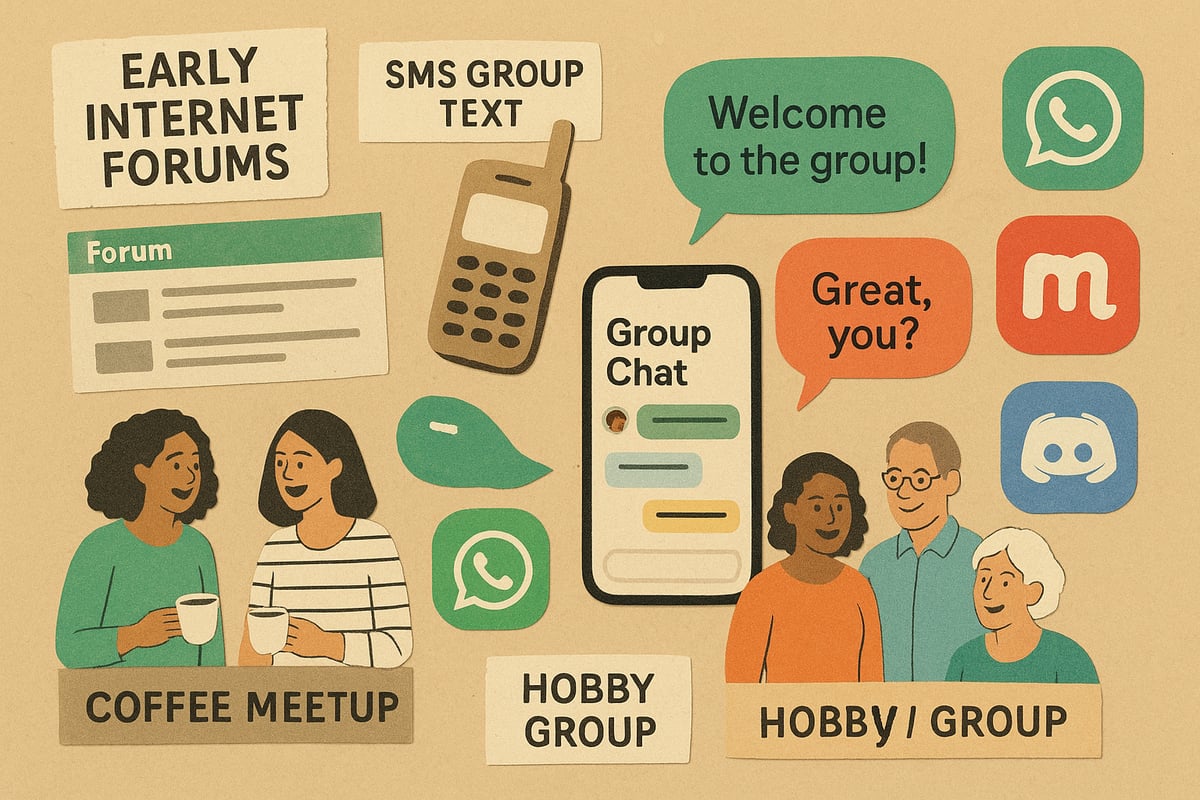
Back in the early days, online communities gathered on message boards and forums. These spaces were simple, but they laid the groundwork for what chat groups would become. As technology moved forward, SMS and instant messaging brought people together in smaller, more personal circles.
Now, chat groups are everywhere. We use them for everything from sharing memes to coordinating big events. Expectations have changed, too. We look for instant replies, easy photo sharing, and the freedom to join from any device, whether it’s a phone, tablet, or laptop.
Platforms like Meetup have helped this movement grow. Their 55+ dedicated chat groups now welcome over 65,000 members worldwide, showing how much people value community. Participation in chat groups continues to rise each year. In fact, the instant messaging market is expected to keep growing, with more people joining group chats for both fun and practical reasons.
We’re also seeing new kinds of chat groups. Local and niche options, such as “Talk to Strangers Seattle” or “Toronto Desi Club”, are thriving. Many groups go beyond screens, organising real-life meetups and events. Chat groups have truly become hubs where online chats turn into real-world friendships.
Types of Chat Groups in 2026
Chat groups now come in all shapes and sizes, fitting every need and moment. Here’s a quick look at how they’ve evolved:
| Type | Purpose | Example Group Name |
|---|---|---|
| Social | Friends, hobbies, local meetups | “Pub Quiz”, “Jazzercise Classes” |
| Professional/Interest | Networking, shared skills, projects | “Black Homeschoolers Meet Up!” |
| Event-based | Temporary, for a specific event/trip | “Hike-First Landing @ Shore Drive” |
| Micro-groups | Short-term, focused on one task/goal | “Let’s get to know one another” |
Social chat groups are perfect for everyday conversation and spontaneous plans. Professional and interest-based communities connect people with similar goals or passions. Temporary event-based groups help organise trips or parties, then wind down once the event is over. Micro-groups, the newest trend, pop up for a quick project or to break the ice.
What unites all these chat groups is their flexibility. Some stay online only, while others mix digital chats with in-person meetups. There’s truly a group for everyone, whether you want to chat about books, plan a hike, or just get to know someone new.
Choosing the Right Chat Platform
Finding the right space for your chat groups in 2026 can feel a bit like picking the perfect venue for a get together. With so many platforms, it’s worth pausing to consider what will make things feel easy and welcoming for everyone.

Features to Look For in 2026
Every chat group is unique, so the best platform is the one that matches your group’s needs and vibe. Here are some features to keep in mind as you explore options:
- Privacy Controls: Look for platforms that let you manage who joins and what’s shared. Customisable privacy settings help everyone feel safe.
- Integration with Planning Tools: Built-in calendars, event reminders, and RSVP features make organising things less of a headache.
- Multimedia Sharing: Sharing photos, polls, or even a quick video can bring chat groups to life. Live voice and video tools are great for spontaneous catch ups.
- Cross-Platform Compatibility: Whether someone prefers mobile, desktop, or web, accessibility matters. It means no one feels left out.
- Group Roles and Moderation: Assign roles or rotate responsibilities, so admin tasks don’t fall on just one person. This keeps things light and fair.
- Custom Notifications: Letting members choose how and when they get updates takes the pressure off.
- Accessibility: Features like screen reader support or larger text options make sure all members can join in.
Platforms like Meetup now offer event RSVPs directly within chat, which can really help when planning gets busy. The right features can make your chat groups feel more like a friendly living room than a noisy hallway.
Comparing Popular Platforms
Not every platform is built for the same kind of chat groups. Here’s a quick look at some popular choices:
| Platform | Best For | Key Features | Notable Stats |
|---|---|---|---|
| Family, friends, casual | End-to-end encryption, easy media | Over 2 billion users worldwide, millions of active groups (WhatsApp group chat statistics 2025) | |
| Telegram | Large, public groups | Powerful search, big group sizes | High engagement in public communities |
| Discord | Gaming, study, hobbies | Voice/video channels, roles, bots | Popular with younger audiences |
| Meetup | Hobby, event organising | Event RSVPs, reminders, hybrid tools | 55+ groups, tens of thousands of members |
| Newcomers | Micro-groups, niche use | Custom tools, privacy-first design | Fastest growing in 2026 |
WhatsApp is still the go-to for many chat groups thanks to its simplicity and huge user base, but platforms like Discord and Meetup are gaining ground, especially for hobby or event-based groups. Telegram offers flexibility for larger or more public chat groups.
The real secret is choosing what fits your group’s size, style, and what you all want out of the experience. There’s no one-size-fits-all—just the right fit for your group’s story.
Building a Healthy Group Culture
A great chat group feels like a cosy gathering, where everyone knows what to expect and feels welcome, but never pressured. Building this kind of atmosphere doesn’t need to be hard work. It’s about small touches, gentle encouragement, and letting people find their own pace. Let’s explore how chat groups can feel more like a community and less like a chore.
Setting Expectations and Boundaries
Every thriving chat group starts with a clear purpose and a few gentle guidelines. When everyone knows why the group exists, it becomes easier to join in or step back without worry. Many chat groups, like “Skip the Small Talk D.C.”, set the tone by encouraging deeper conversations and making it clear that small talk is optional.
Simple ground rules can help, such as:
- Respecting privacy and personal space
- Listening before replying
- Sharing only what feels comfortable
Research like the Telegram group participation study shows that when expectations are clear, people feel safer and more engaged. This helps chat groups grow into spaces where everyone can belong.
Encouraging Participation Without Pressure
Participation in chat groups should feel like an open invitation, not a requirement. Some members love to jump in, while others prefer to read quietly or join when they feel ready. Groups like “Shy but let’s be friends anyway - 40+” show that gentle entry points can make a big difference.
Try these easy ways to encourage responses:
- Share a friendly icebreaker or poll
- Check in with a casual “How’s everyone doing?”
- Celebrate small wins or group milestones
The most welcoming chat groups let people come and go, recognising that silence is just another form of participation.
Managing Conflict and Group Dynamics
Disagreements can pop up in any chat group, but with a bit of care, they don’t have to spoil the vibe. Having a moderator or admin helps keep conversations friendly, but it’s not just their job. Rotating roles, like event organiser or topic starter, spreads the load and keeps things fresh.
Tips for a balanced group dynamic:
- Pause before replying to a heated message
- Move off-topic chats to a separate thread
- Ask for feedback on group rules now and then
With these gentle habits, chat groups stay welcoming, even when opinions differ.
Balancing Online and Offline Interaction
Some of the best moments in chat groups happen when online connections spark real-life meetups. Groups like “Hike-First Landing @ Shore Drive” and “Jazzercise Classes” blend digital chat with in-person fun, making everyone feel included.
It’s just as valuable to honour those who prefer digital-only participation. Not everyone can or wants to meet up, and that’s perfectly fine. Chat groups thrive when both options are celebrated.
Hybrid ideas to try:
- Organise a virtual coffee or game night
- Share photos from meetups for those at home
- Let members suggest events that suit their comfort levels
Whether online or offline, chat groups are about making connection feel light, easy, and always optional.
Making Plans Without the Chaos: Smarter Group Coordination
Ever tried to organise dinner or a day out in chat groups, only to watch the conversation spiral into confusion? You are not alone. Group chats are meant to bring us together, but when it comes to making plans, they can leave everyone feeling lost in a sea of messages.
The Problem with Traditional Group Chats
We have all seen it. Someone asks, “Are we still on for Saturday?” and suddenly, the chat explodes with unrelated memes, side conversations, and missed details. Important updates get buried, and no one is quite sure what is happening.
Research shows that 70% of chat group users feel frustrated by planning logistics. The more people involved, the more likely it is for messages to get lost or decisions to stall. Even the most enthusiastic members can find it overwhelming to keep up.
Smarter Tools for Group Planning
Thankfully, new tools are making life in chat groups feel less like herding cats. These platforms are designed to take the chaos out of planning, letting everyone focus on what really matters: spending time together.
Here is what the latest group planning tools offer:
- Automated scheduling that checks everyone’s availability and suggests the best times
- Polls and reminders that do not flood the chat
- Opt-in notifications, so no one feels bombarded
- Integration with calendars and event tools for easy coordination
With these features, chat groups become more than just message threads. They become spaces where making plans is simple, optional, and respectful of everyone’s pace.
Groop: A New Approach to Group Planning
If you are looking for a gentler, more human way to organise get-togethers in chat groups, Groop is leading the way. Groop checks everyone’s availability, presents clear choices, and makes it easy to say “yes,” “maybe,” or “not now” without any pressure.

What makes Groop different is its low-pressure, socially aware design. There is no expectation to decide right away, and no one is singled out for being slow to reply. The group vibe stays light and welcoming, letting conversations flow naturally.
Groop is now in open beta, ready for anyone who wants to make planning feel like part of the fun, not a chore. Give it a try if you want your chat groups to feel more like a gathering and less like a task list.
Safety, Privacy, and Wellbeing in Group Chats
Staying connected in chat groups should feel safe, relaxed, and positive. As these spaces become a bigger part of our daily lives, looking after privacy and wellbeing matters more than ever. Let’s explore how we can keep our chat groups welcoming and worry-free for everyone.
Keeping Your Group Safe and Respectful
Safety starts with simple steps. Most chat groups now offer privacy controls, letting admins decide who can join, post, or see messages. Platforms like Meetup provide group controls and event privacy options, so it’s easy to keep things just for your community. With live chat adoption rates rising every year, privacy is becoming a must-have for group spaces. If your group is public or large, consider using invite links rather than open access.
Here are a few gentle reminders:
- Set clear group guidelines at the start.
- Use moderation tools to filter out spam or unwanted messages.
- Regularly review member permissions and remove inactive or disruptive users.
If you spot a privacy breach, act quickly but calmly. Let your group know what’s happened, and update settings to prevent repeats. A little care goes a long way in making chat groups feel secure.
Digital Wellbeing: Avoiding Burnout
It’s easy to feel overwhelmed by constant pings from chat groups, especially if you’re in a few at once. Recognising the signs of chat fatigue helps everyone stay comfortable. If you find yourself ignoring messages or feeling that group chats are a chore, it’s okay to step back.
Try these light-touch approaches:
- Mute notifications for a while or set quiet hours.
- Let others know you’ll be less active, if you want to.
- Take breaks without guilt—your wellbeing matters.
Encourage your chat groups to normalise silence or pauses. There’s no need for everyone to reply instantly, and sometimes a quiet group just means people are living their lives. We’re all here for each other, not for constant updates.
Managing Sensitive Topics and Support
Sometimes, chat groups become spaces for heavier conversations. When sensitive topics come up, it’s important to tread gently. If a chat feels too personal or emotional, suggest moving to a private message for a more supportive chat.
For group wellbeing, try these steps:
- Share resources or professional support links if someone needs extra help.
- Remind members that it’s okay to skip tough conversations.
- Respect privacy by never sharing someone’s story outside the group.
A truly supportive chat group adapts to its members. Not every conversation is for everyone, and that’s perfectly fine. The goal is to keep the space open, understanding, and safe for all.
Trends and the Future of Chat Groups
It’s easy to feel like chat groups are always changing, with new features popping up and group habits shifting overnight. As we look to the future, it’s clear that chat groups are becoming even more woven into our daily lives, connecting us in ways that feel more natural and supportive.
Emerging Trends for 2026 and Beyond
Let’s peek into what’s next for chat groups. One big shift is the rise of AI-powered moderation and summarisation. These tools now help keep conversations friendly and on track, while making it easier to catch up if you’ve missed a flurry of messages.
Hybrid group experiences are also on the rise. More chat groups are blending online chats with real-world meetups, making it simple to move from digital conversations to face-to-face plans. Micro-groups are popping up everywhere, letting people connect for a single purpose or moment, then dissolve when their goal is met.
Privacy is at the heart of these trends. People want more control over what they share and who can see it. This demand is reflected in the steady growth of chat platforms across the globe, with live chat adoption rates in 2026 showing just how central these tools have become for staying connected.
Event-based chat groups are forming quickly, often for a single concert, trip, or interest. Once the event wraps up, the group often winds down too, making space for new connections and fresh starts.
Predictions: Where Chat Groups Are Headed
Looking ahead, chat groups are becoming our digital “third places”—those welcoming spaces where we can just be ourselves, drop in when we want, and find a sense of belonging. These groups are starting to integrate more real-life tools, like shared calendars, payments, and media, making it easier to coordinate without the usual hassle.
Human-centred design is leading the way. The best chat groups feel easy, optional, and never pushy. There’s a growing focus on letting people choose how and when they join in, respecting everyone’s pace and comfort.
We can expect chat groups to keep adapting to us, not the other way around. The future is about lighter, more meaningful connections, where staying in touch feels like a joy, not another thing on the to-do list.We’ve all been there—stuck in a group chat where making plans feels more like a chore than a catch up with friends. That’s why I’m excited about tools like Groop, which are designed to take the pressure and confusion out of planning together. If you’ve ever wished for a way to organise meetups without endless message threads or chasing replies, you’re not alone—and you’re definitely not asking for too much. Groop makes it easy for us to stay connected and make decisions at our own pace, so planning finally feels fun again. If you fancy giving it a try, join the beta.