
Articles
Group planning trends for young adults: easy coordination
Discover 2026 group planning trends for young adults. Learn how spontaneous, low-pressure coordination tools and wellness activities make socializing stress-free and authentic.
Group planning trends for young adults: easy coordination
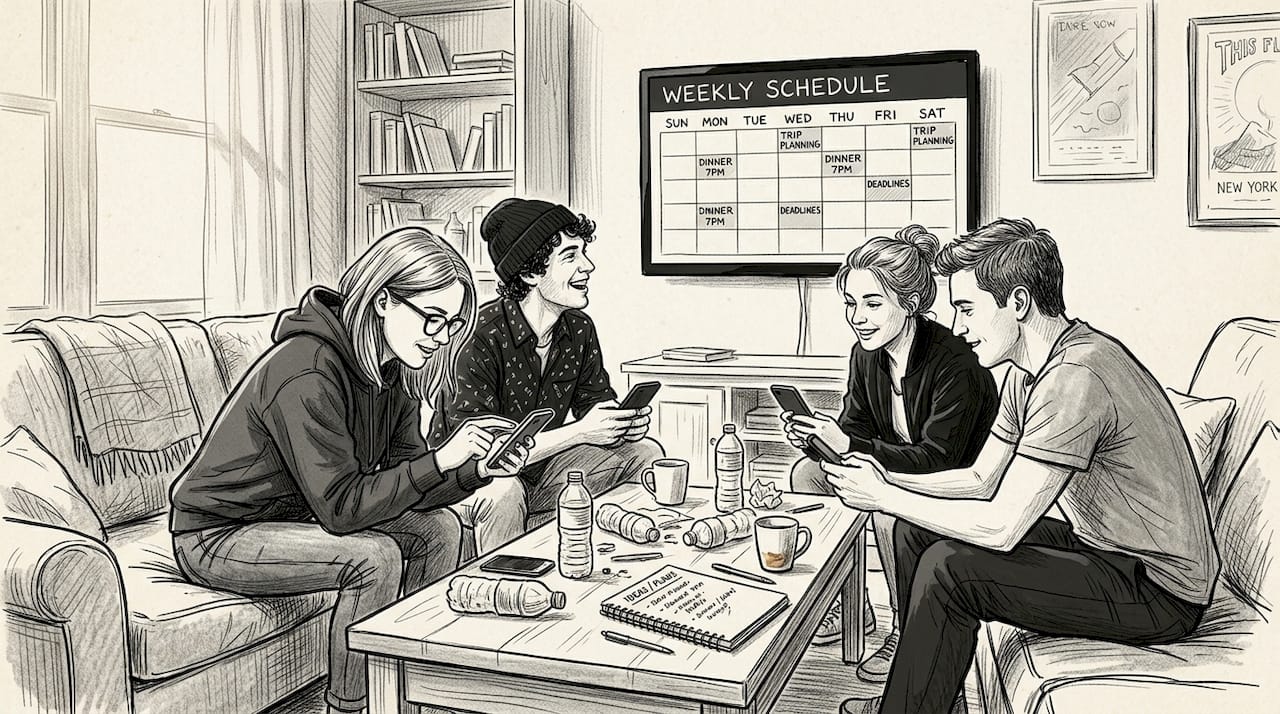
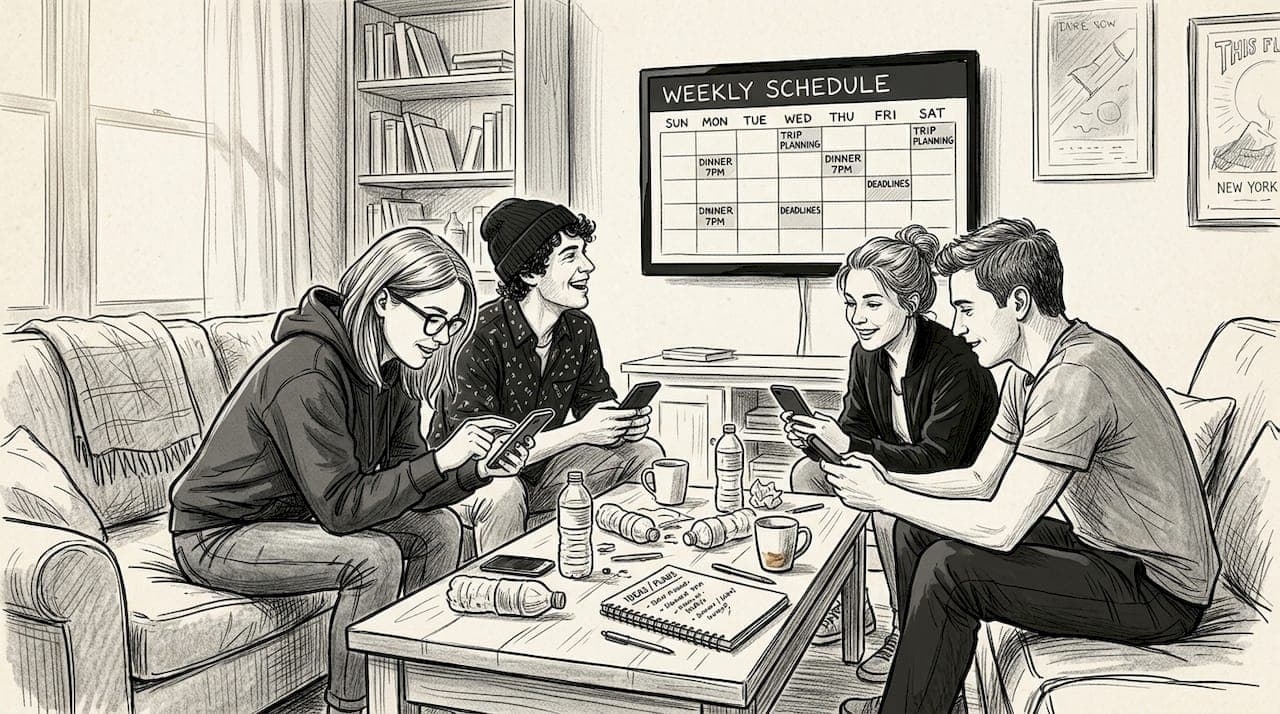
Planning a hangout shouldn't feel like scheduling a board meeting. Yet for many young adults, coordinating even a simple get-together can spiral into endless group chats, conflicting schedules, and last-minute cancellations. The good news? A major shift is underway. Young people are embracing more spontaneous, authentic social experiences while leveraging smart tools that handle the logistics without killing the vibe. This guide reveals the 2026 trends reshaping how friend groups plan activities and introduces practical solutions that make coordination genuinely stress-free. You'll discover why low-pressure socializing is winning, which apps are cutting planning time in half, and how to balance flexibility with reliable execution.
Table of Contents
- Key takeaways
- Why spontaneity and low-pressure socializing are reshaping group planning
- Top apps and AI tools simplifying group coordination
- Balancing structure and spontaneity: practical strategies for stress-free group planning
- Wellness-focused group activities for young adults and students
- Discover tools to simplify your group planning
- Frequently asked questions
Key Takeaways
| Point | Details |
|---|---|
| Spontaneity over performative | Young adults increasingly favor spontaneous authentic gatherings over highly curated events. |
| Unified apps streamline planning | All in one apps consolidate messaging RSVPs and payments to reduce planning friction. |
| Balance spontaneity and structure | The best balance keeps enough structure to make plans happen while preserving a relaxed energy. |
| Low pressure wellness formats | Student wellness activities often center on low pressure peer supported formats. |
| AI scheduling efficiency | AI scheduling tools save time by automatically finding suitable times and managing rescheduling. |
Why spontaneity and low-pressure socializing are reshaping group planning
Young adults are done with performative social events. The pressure to create Instagram-worthy moments and meticulously planned experiences is giving way to something more genuine. According to recent research, 79% of 18-35 year olds plan more events in 2026, favoring spontaneous, authentic gatherings over carefully curated ones, with 58% specifically preferring low-pressure socializing.
This cultural reset changes everything about group planning. When your crew wants to grab coffee or hit a local park without weeks of advance notice, traditional planning methods feel unnecessarily heavy. The challenge becomes maintaining enough organization to actually make plans happen while preserving the relaxed energy everyone craves.
Several factors drive this shift:
- Burnout from overly structured social calendars during college years
- Desire for genuine connection over surface-level networking
- Recognition that memorable moments often emerge from unplanned experiences
- Financial considerations favoring free or low-cost activities
- Mental health awareness promoting stress-reducing social formats
The rise of soft partying exemplifies this trend perfectly. Run clubs, board game nights, and alcohol-free gatherings are exploding in popularity. These events deliver social connection without the intensity or expense of traditional parties. They're easier to organize, more inclusive, and align with wellness priorities many young adults now prioritize.
Yet spontaneity creates its own planning paradox. Without some structure, even casual hangouts fall apart. Someone needs to pick a time, confirm who's coming, and handle basic logistics. The solution isn't abandoning planning but adopting lighter-touch methods that feel natural rather than bureaucratic. This is where modern group planning tips and strategies become essential, helping groups find the sweet spot between chaos and rigidity.
"The best gatherings feel effortless to guests but require invisible structure behind the scenes. Young adults want that magic without the stress of creating it themselves."
Top apps and AI tools simplifying group coordination
The right technology makes spontaneous planning actually work. Instead of juggling separate platforms for messaging, scheduling, payments, and RSVPs, centralized apps handle everything in one place. This consolidation isn't just convenient, it's transformative for reducing the friction that kills casual plans.

Consider how apps like SquadTrip centralize booking, payments, and communication for group events. Best practices include setting clear goals, establishing timelines, and automating payments to prevent the awkward money conversations that often derail plans. When everyone can see what's happening and contribute their share seamlessly, commitment increases dramatically.
Artificial intelligence is revolutionizing the scheduling component specifically. AI scheduling saves 15 minutes per meeting on average by automatically finding times that work for everyone and handling rescheduling when conflicts arise. Tools like Whova and Eventee integrate polls and notifications so group members can weigh in without endless back-and-forth.
For young adults and students specifically, several apps stand out:
- Frienzy: Uses AI to generate group travel itineraries and expense splitting, perfect for weekend trips or day adventures
- IN.: Focuses on local activity discovery with built-in RSVP tracking for friend groups
- SameTeam: Combines calendar syncing with shared to-do lists for ongoing group projects
- Via: Specializes in carpooling coordination for events, reducing transportation headaches
Each platform offers distinct advantages depending on your group's needs. The comparison below highlights key features:
| App | Best For | Key Features | Price |
|---|---|---|---|
| Frienzy | Weekend trips | AI itineraries, expense splitting, photo sharing | Free basic, $5/month premium |
| SquadTrip | Larger events | Automated payments, booking integration, communication hub | Custom pricing |
| IN. | Local hangouts | Activity discovery, RSVP tracking, group chat | Free |
| SameTeam | Ongoing groups | Calendar sync, shared tasks, reminders | Free basic, $3/month pro |
When evaluating options, prioritize apps that integrate naturally with how your group already communicates. If everyone lives in a group chat, choose tools that work alongside it rather than requiring a complete platform switch. The goal is reducing complexity, not adding another app to check.
Pro Tip: Use apps with integrated polls and notifications to engage group members easily. Set up automatic reminders 24 hours before events to catch people before they make conflicting plans. This gentle nudge dramatically reduces last-minute cancellations without feeling pushy.
The most effective group planning apps reduce stress by 70 percent compared to manual coordination. That's not just about saving time, it's about preserving the fun that makes socializing worthwhile. When logistics feel effortless, groups can focus on enjoying each other's company rather than managing spreadsheets.
Balancing structure and spontaneity: practical strategies for stress-free group planning
The secret to successful spontaneous planning is strategic structure. This might sound contradictory, but it's about building systems that enable flexibility rather than constraining it. When you have reliable methods for handling logistics, the social aspects can remain genuinely loose and fun.
Start by defining clear roles within your group. Research shows group dominance is mitigated by role assignments and reflection, ensuring equity and positive collaboration. One person handles venue research, another manages communication, someone else tracks RSVPs. This distribution prevents burnout for the usual organizer while giving everyone ownership.
Flaking remains the biggest threat to casual plans. Combat this by balancing spontaneity with structure using clear expectations and upfront payments to handle flakes and encourage commitment. Even small deposits create psychological investment that makes people follow through.
Here's a five-step framework for maintaining flexibility while ensuring plans actually happen:
- Float the idea early: Mention potential plans 3-5 days ahead without committing to specifics, gauging interest casually
- Narrow options quickly: Use polls to choose between 2-3 concrete options within 24 hours of the initial float
- Set a decision deadline: Establish a clear cutoff (like 24 hours before) when the plan becomes final for whoever's committed
- Build in contingencies: Have a backup plan for weather, low turnout, or venue issues so you can adapt without canceling
- Reflect afterward: Spend 5 minutes discussing what worked and what didn't to improve future planning
The concept of structured surprise works beautifully for groups that value spontaneity. Plan the framework (we're doing something Saturday afternoon) but leave details flexible (exact activity chosen day-of based on weather and mood). This gives people enough certainty to block time while preserving the excitement of not knowing exactly what's happening.
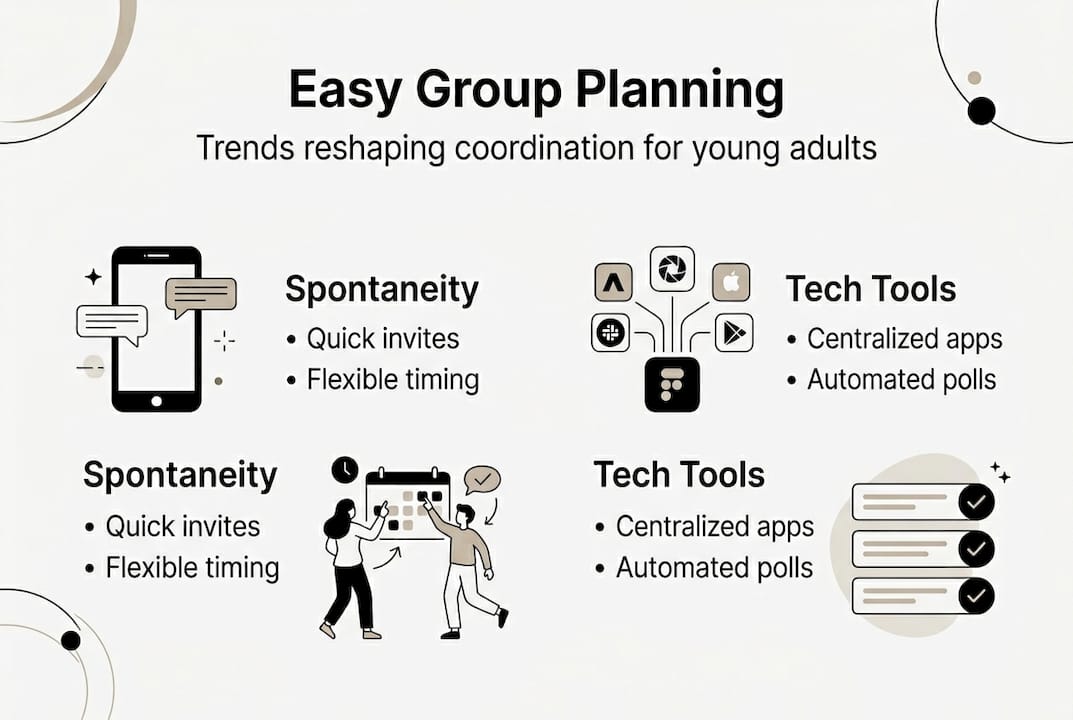
Automated reminders deserve special attention. Most group scheduling for social plans fails because people genuinely forget, not because they don't care. Schedule reminders at strategic intervals: one week out, three days out, and morning of. Make them friendly and brief rather than nagging.
Methodical reflection post-event builds group equity and morale over time. Spend a few minutes discussing what everyone enjoyed, what felt stressful, and how to improve next time. This continuous improvement mindset transforms planning from a chore into a shared skill your group develops together.
Pro Tip: Buddy systems in student groups combine social and academic planning effectively. Pair up for both study sessions and social activities, creating accountability that works in both contexts. When your study buddy is also your coffee date coordinator, you're more likely to follow through on both.
The key is recognizing that structure serves spontaneity rather than opposing it. When basic logistics run smoothly in the background, the actual experience can be as loose and authentic as everyone wants. Understanding common group scheduling challenges helps you anticipate and prevent the friction points that typically derail casual plans.
Wellness-focused group activities for young adults and students
The activities young adults choose reveal a lot about their planning priorities. Wellness-focused gatherings are dominating social calendars because they deliver meaningful connection without the pressure or expense of traditional entertainment. These events naturally align with low-stress planning approaches since they're inherently casual and flexible.
Current favorites include activities that support both mental and physical health. Top student wellness activities in 2026 include Art Gym sessions, mindful movement classes, peer support circles, nature connections like hiking, and digital detoxes featuring board games. Each offers social benefits while supporting individual wellbeing.
The soft partying trend is reshaping nightlife specifically. Data shows 22% more adults plan Dry January participation, with 1 in 5 people under 35 wanting alcohol-free events. This isn't about avoiding fun, it's about redefining what fun looks like in ways that feel better the next day and cost less money.
Here's how popular wellness activities compare in terms of social benefits:
| Activity Type | Social Connection | Stress Reduction | Cost | Planning Complexity |
|---|---|---|---|---|
| Run clubs | High (shared goals) | Moderate | Free | Low (regular schedule) |
| Board game nights | Very high (interaction) | High | Low ($20-40 for games) | Very low |
| Outdoor adventures | High (shared experience) | Very high | Free to moderate | Moderate (weather dependent) |
| Peer support circles | Very high (vulnerability) | Very high | Free | Low (consistent format) |
| Art/craft sessions | Moderate (parallel play) | High | Low to moderate | Low (supplies needed) |
These activities share common characteristics that make them ideal for modern group planning:
- Naturally accommodate varying commitment levels (easy to join or skip)
- Don't require extensive advance planning or reservations
- Work well with flexible attendance numbers
- Create opportunities for genuine conversation
- Support rather than compete with academic or work responsibilities
- Build ongoing community rather than one-off events
Planning apps excel at coordinating these wellness-focused gatherings. Use polls to gauge interest in different activity options, casual invites that don't demand immediate responses, and flexible RSVP systems that accommodate last-minute changes. The goal is making participation feel accessible rather than obligatory.
Peer group scheduling benefits students particularly when wellness activities become regular touchpoints. A weekly hiking group or monthly craft night creates social structure without the intensity of traditional commitments. People know when these events happen and can drop in as their schedule allows.
The beauty of wellness-focused activities is they inherently resist the performative pressure that makes traditional events stressful to plan. Nobody expects a perfect Instagram moment from a casual board game night or morning yoga session. This authenticity makes planning easier because there's less pressure to create a flawless experience.
Discover tools to simplify your group planning
If you're ready to transform how your friend group coordinates activities, Groop Labs offers solutions designed specifically for the spontaneous, low-pressure approach young adults prefer. The platform combines scheduling automation, RSVP management, and communication tools in one lightweight interface that actually feels natural to use.
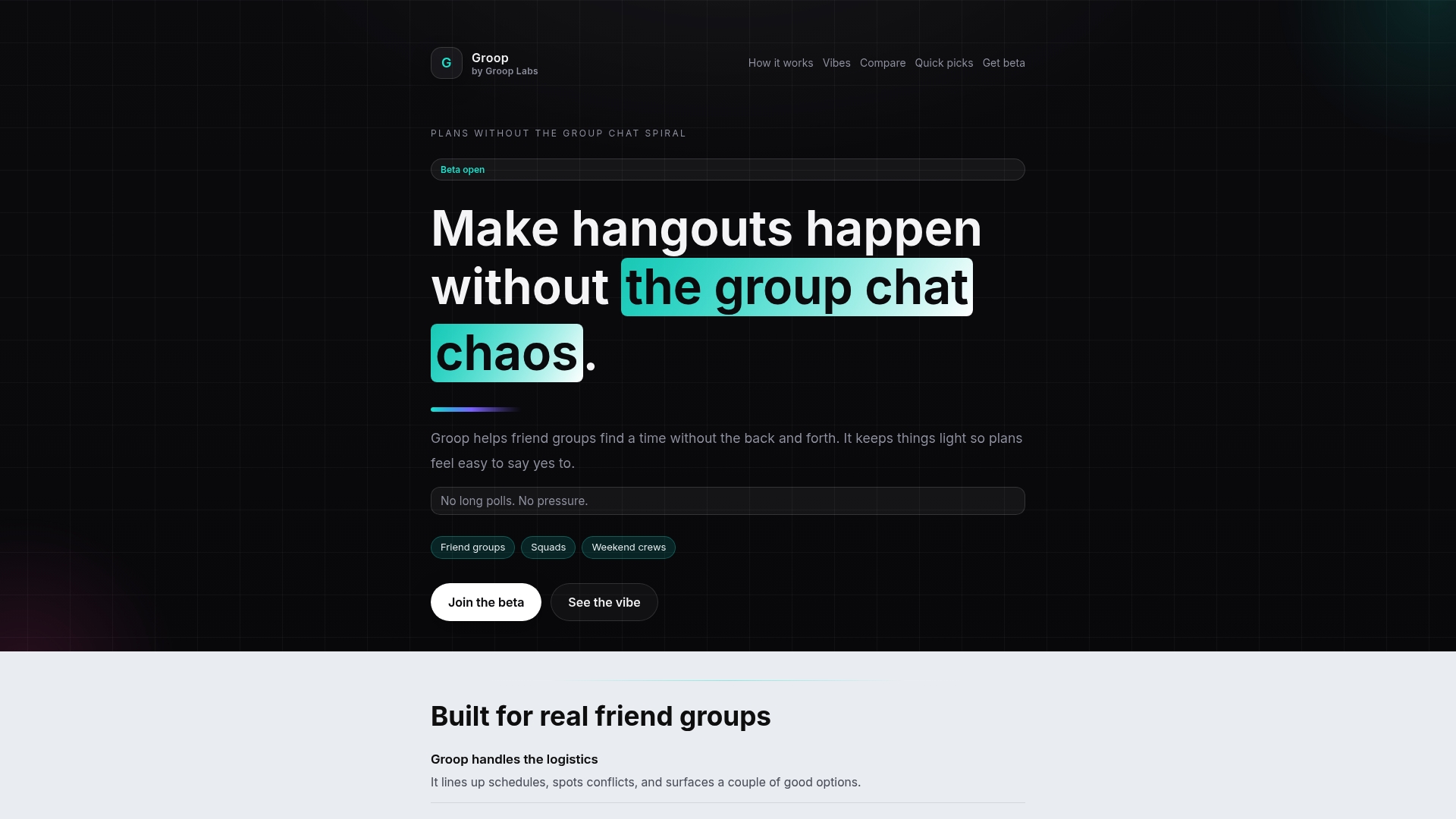
Unlike complex event planning software built for corporate meetings, Groop Labs focuses on maintaining your group's vibe while handling logistics invisibly. Start a plan, let the system surface availability conflicts, and give everyone simple choices without lengthy polls or decision paralysis. It's the difference between planning feeling like work and planning feeling like part of the fun.
Explore our blog for detailed comparisons of group planning apps that reduce stress by 70 percent, along with strategies for balancing spontaneity with reliable execution. Whether you're coordinating study sessions, weekend adventures, or regular hangouts, the right tools make all the difference in keeping plans alive without killing the energy.
Frequently asked questions
How can I coordinate group plans without causing stress?
Use centralized apps with clear roles and automated reminders to minimize confusion. Establish upfront expectations about commitment levels and use polls for scheduling so everyone has input. The key is creating just enough structure that logistics run smoothly while keeping the actual social experience relaxed and pressure-free.
What are the best apps for spontaneous group planning in 2026?
Frienzy, SquadTrip, IN., and SameTeam are leading apps combining AI and communication tools specifically for young adults. Look for features like expense splitting, polls, and RSVP tracking that reduce coordination friction. The best choice depends on whether you're planning trips, local hangouts, or ongoing group activities.
How do I ensure everyone feels included and valued when planning?
Assign roles to distribute responsibility and prevent one person from dominating all decisions. Use reflection or feedback post-event to improve group dynamics and give quieter members opportunities to shape future plans. Rotating who leads planning for different events ensures everyone's preferences get represented over time.
Why do young adults prefer low-pressure socializing now?
Authenticity and mental health awareness are driving preferences toward gatherings that feel genuine rather than performative. Many young adults experienced burnout from overly structured social calendars and now prioritize connection quality over event impressiveness. Low-pressure formats also accommodate varying budgets and schedules more easily than traditional entertainment.
How can wellness activities improve group planning success?
Wellness-focused gatherings like hiking, board games, or peer support circles naturally accommodate flexible attendance and require minimal advance planning. They create regular touchpoints that build community without demanding intense commitment. These activities also support individual wellbeing, making people more likely to prioritize and follow through on plans.