Articles
Why Manage Friend Group Events: Streamlined Social Planning
Learn why managing friend group events matters, how apps reduce planning chaos, strengthen connections, and overcome challenges for young adults.

Why Manage Friend Group Events: Streamlined Social Planning

Juggling busy calendars and group chats in cities like New York or London often leaves friend group event planning feeling more chaotic than fun. For young adults, keeping social connections strong while minimizing stress matters because urban life can be isolating despite constant activity. By adopting collaborative strategies and using digital platforms built for high-quality group coordination, you can transform stressful scheduling into more meaningful, inclusive experiences that everyone actually looks forward to.
Table of Contents
- Friend Group Event Planning Defined
- How Social Coordination Tools Work
- Benefits For Young Adults In Cities
- Common Challenges In Event Management
- Mistakes To Avoid And Key Success Tips
Key Takeaways
| Point | Details |
|---|---|
| Effective Planning | Transition from chaotic to streamlined processes by defining goals, assigning roles, and using appropriate tools. |
| Utilize Technology | Leverage social coordination tools for real-time communication, scheduling, and decision-making to enhance group interactions. |
| Balance Individual and Collective Needs | Acknowledge each participant's preferences while fostering a democratic planning environment that values all voices. |
| Avoid Common Pitfalls | Prevent procrastination, unilateral decision-making, and communication overload to ensure an enjoyable and inclusive planning experience. |
Friend Group Event Planning Defined
Friend group event planning transforms social coordination from a chaotic back-and-forth into a streamlined, enjoyable process. Unlike traditional planning methods that involve endless text chains and conflicting schedules, modern approaches focus on collaborative, efficient strategies that respect everyone's time and preferences.
Effective friend group event planning involves several core components, inspired by professional event coordination frameworks. These elements create a structured yet flexible approach to social gatherings:
- Clear Purpose: Define the event's goals and desired experience
- Role Assignment: Distribute planning responsibilities among group members
- Schedule Alignment: Find mutually convenient times and dates
- Communication Channels: Select preferred planning platforms
- Flexible Decision-Making: Allow democratic input from all participants
The primary challenge in friend group event planning is balancing individual preferences with collective needs. Each participant brings unique schedules, energy levels, and social expectations to the table. Successful planning requires understanding these nuanced dynamics and creating an inclusive environment where everyone feels heard and valued.
Modern social coordination goes beyond mere logistics. It's about creating meaningful connections, reducing planning stress, and ensuring that group activities feel natural and enjoyable. By implementing structured yet adaptable planning strategies, friend groups can transform potentially complicated meetups into seamless, anticipated experiences.
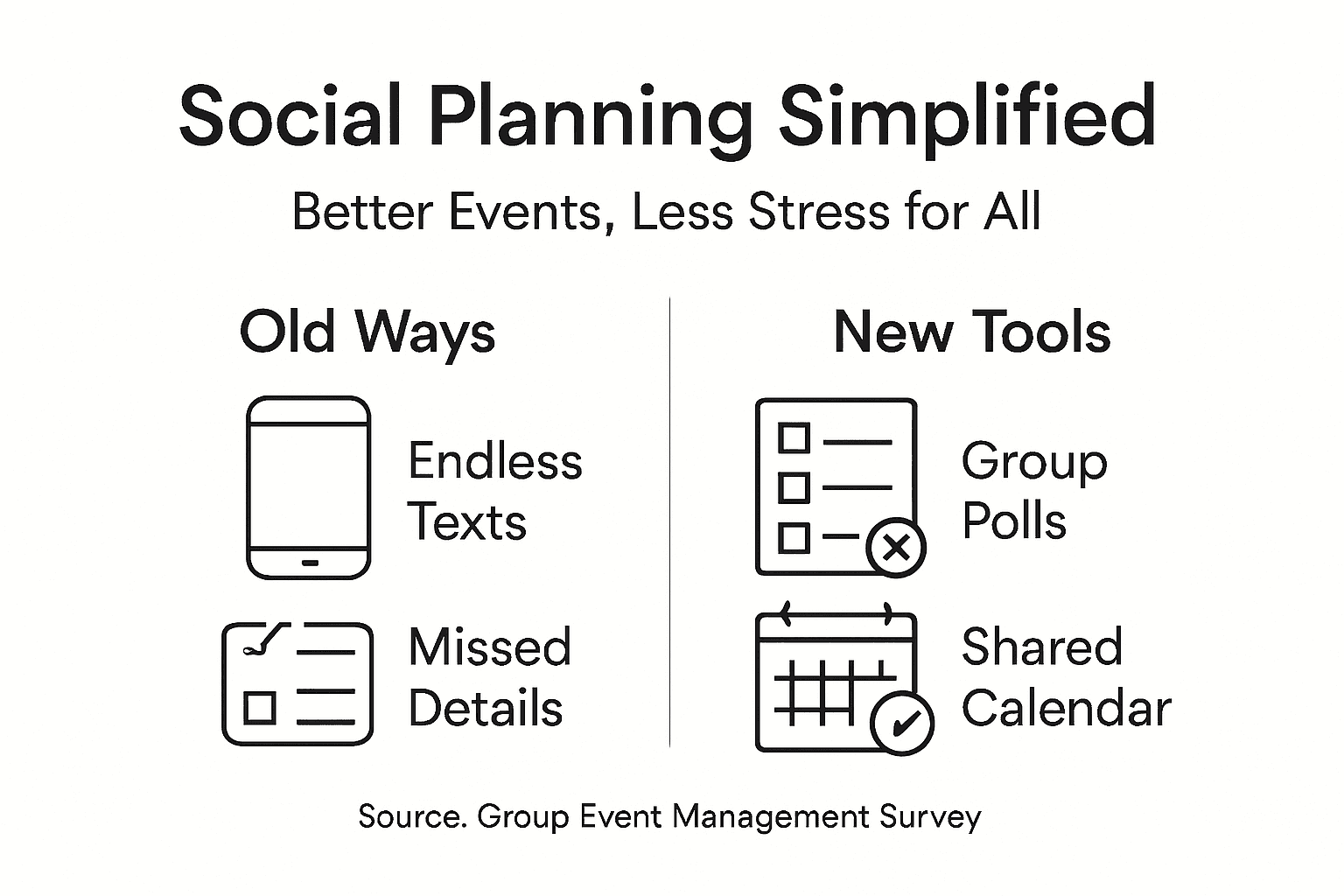
Here's a comparison of traditional event planning with modern friend group event planning approaches:
| Aspect | Traditional Planning | Modern Group Planning |
|---|---|---|
| Communication | Multiple text threads | Unified digital platforms |
| Decision Process | One-sided or fragmented | Collaborative and inclusive |
| Scheduling | Often manual, time-consuming | Automated, schedule alignment tools |
| Participant Engagement | Limited input, potential frustration | Democratic, encourages everyone’s voice |
| Flexibility | Rigid, slow to adapt | Adaptable to changing needs |
Pro tip: Rotate planning responsibilities among group members to distribute effort and keep the planning process dynamic and engaging.
How Social Coordination Tools Work
Social coordination tools represent a digital revolution in group communication and event planning. These sophisticated platforms go far beyond traditional messaging apps, offering integrated solutions that transform how friends organize and execute social gatherings. Relational coordination theory highlights the critical importance of creating shared goals and high-quality communication across digital platforms.
Modern social coordination tools typically incorporate several key features designed to simplify group interactions:
- Real-time Messaging: Instant communication channels
- Shared Calendars: Synchronized scheduling capabilities
- Voting and Polling: Democratic decision-making mechanisms
- Task Assignment: Distributing planning responsibilities
- Conflict Resolution: Automated schedule alignment
The underlying technology of these tools focuses on reducing friction in group planning. By providing seamless collaboration platforms, they enable friend groups to communicate efficiently, share ideas quickly, and make collective decisions without endless back-and-forth conversations.
Unlike traditional communication methods, these tools understand the nuanced dynamics of group interactions. They offer intuitive interfaces that adapt to different social contexts, recognizing that each friend group has unique communication styles and planning preferences. The goal is not just coordination, but creating a smooth, enjoyable planning experience that maintains the group's social chemistry.
Pro tip: Choose a social coordination tool that matches your friend group's communication style and technical comfort level to ensure maximum engagement.
Benefits for Young Adults in Cities
Young urban dwellers face unique social challenges that make group coordination more critical than ever. In densely populated metropolitan areas, social connections can feel paradoxically difficult to maintain despite being surrounded by millions of people. Social event participation creates essential opportunities for building community and personal networks in complex urban environments.
The key benefits of effective social coordination for young adults include:
- Network Expansion: Meeting new people beyond existing social circles
- Professional Opportunities: Informal networking through social events
- Mental Health Support: Combating urban isolation through structured interactions
- Cultural Engagement: Discovering local experiences and community events
- Personal Growth: Developing communication and planning skills
Navigating city life requires strategic social planning that goes beyond random interactions. These coordination tools transform urban social experiences by providing structured yet flexible ways to connect, ensuring that young professionals and students can build meaningful relationships without the overwhelming complexity of traditional planning methods.
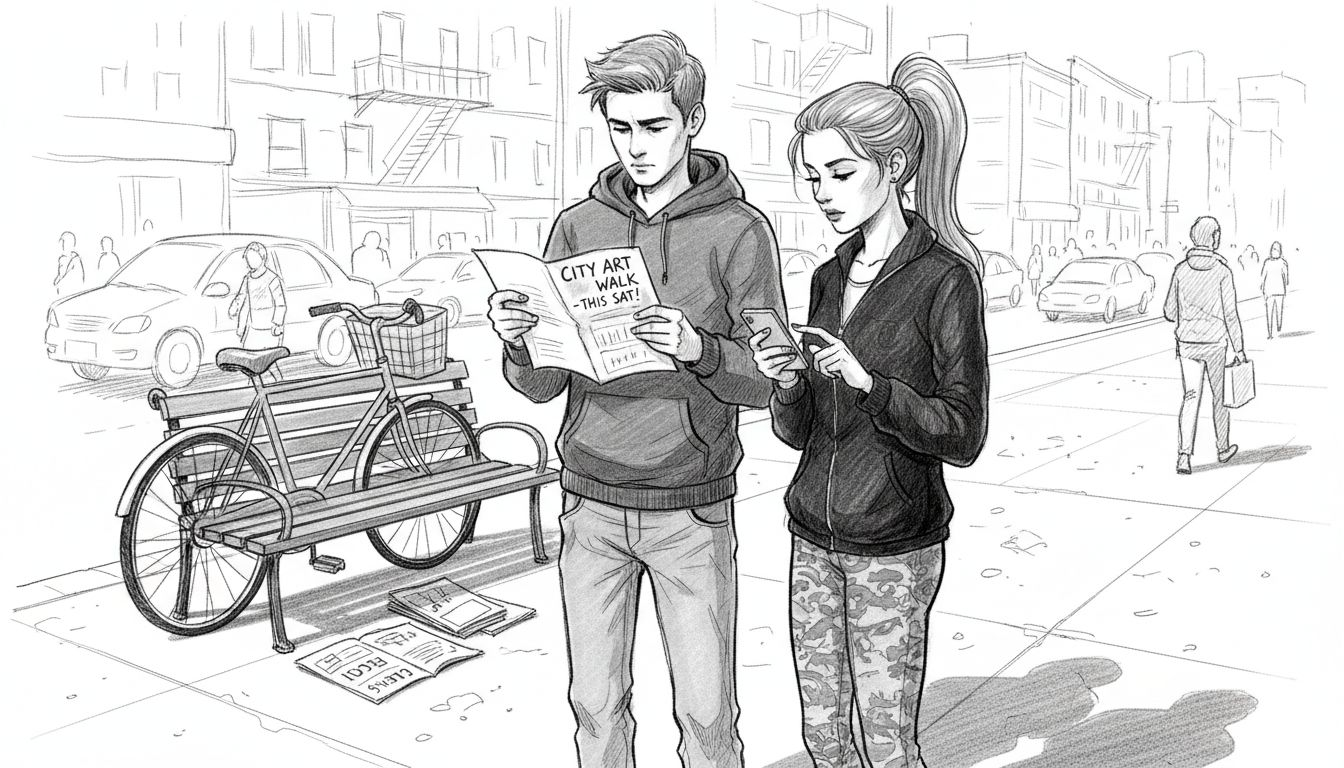
Urban social coordination is more than just scheduling—it's about creating intentional spaces for connection. By leveraging technology that understands the nuanced social dynamics of city living, young adults can transform their urban experience from potentially isolating to genuinely collaborative and engaging.
Pro tip: Rotate social planning responsibilities within your friend group to prevent burnout and ensure everyone feels equally invested in maintaining connections.
Common Challenges in Event Management
Planning friend group events involves navigating a complex landscape of social dynamics and logistical hurdles. Young adults face unique challenges that can transform what should be an exciting gathering into a stress-inducing coordination nightmare. Event management challenges reveal the intricate problems that can derail even the most well-intentioned social plans.
The most common obstacles in friend group event management include:
- Schedule Conflicts: Aligning multiple people's availability
- Communication Breakdowns: Miscommunication and unclear expectations
- Decision Fatigue: Endless debates about location, time, and activity
- Budget Constraints: Balancing individual financial limitations
- Participation Variability: Managing different energy levels and interests
Technology has emerged as a critical solution to these coordination challenges. Tracking attendee engagement becomes more sophisticated with modern tools that help groups navigate the complex social landscape of planning. These platforms provide democratic ways to make decisions, track preferences, and create inclusive experiences that consider everyone's needs and limitations.
Ultimately, successful event management is about understanding human dynamics. It's not just about finding a time and place, but creating an experience that feels natural, enjoyable, and low-pressure for everyone involved. The most effective groups learn to be flexible, communicate openly, and prioritize the collective social experience over perfect logistics.
These challenges illustrate how technology can enhance group event management outcomes:
| Challenge | Impact on Group | Tech Solution |
|---|---|---|
| Schedule Conflicts | Lower attendance, missed events | Real-time calendar syncing |
| Communication Breakdowns | Misunderstandings, confusion | Centralized messaging platform |
| Decision Fatigue | Reduced enthusiasm, slow progress | Instant polling, collective voting |
| Budget Constraints | Unequal participation | Transparent budgeting tools |
| Participation Variability | Uneven involvement | Rotating roles, automated reminders |
Pro tip: Create a shared digital space where all group members can contribute ideas and preferences without feeling pressured.
Mistakes to Avoid and Key Success Tips
Group event planning requires strategic thinking and proactive problem-solving. Most friend groups unknowingly sabotage their social gatherings through predictable patterns of miscommunication and poor coordination. Common event management mistakes reveal critical pitfalls that can derail even the most well-intentioned social plans.
Key mistakes to avoid in friend group event management include:
- Procrastination: Waiting until the last minute to make plans
- Unilateral Decision-Making: One person dominating all planning choices
- Ignoring Individual Preferences: Failing to consider everyone's comfort levels
- Inflexible Scheduling: Not offering multiple time/location options
- Communication Overload: Endless chat threads without clear decisions
Preventing participant fatigue requires careful attention to group dynamics and energy management. Successful planners understand that creating an enjoyable experience means balancing structure with spontaneity, ensuring that every group member feels valued and heard throughout the planning process.
Ultimately, successful event management is an art of compromise and collective creativity. The most effective friend groups develop a flexible, democratic approach that prioritizes collective enjoyment over perfect execution. This means being willing to adjust plans, communicate openly, and prioritize the group's overall experience.
Pro tip: Create a rotating planning committee where different group members take lead on organizing events to distribute responsibility and keep things fresh.
Simplify Your Friend Group Event Planning with Grooop
The article highlights the common struggles in friend group event planning such as schedule conflicts, decision fatigue, and communication overload that often turn social gatherings into stressful projects. If you want to avoid the endless back-and-forth and create relaxed, enjoyable meetups that truly respect everyone’s preferences and availability then Grooop offers an ideal solution. By focusing on streamlined scheduling, quick conflict alerts, and simple choices Grooop helps your group skip the complicated polls and chat chaos to maintain your group’s vibe naturally.
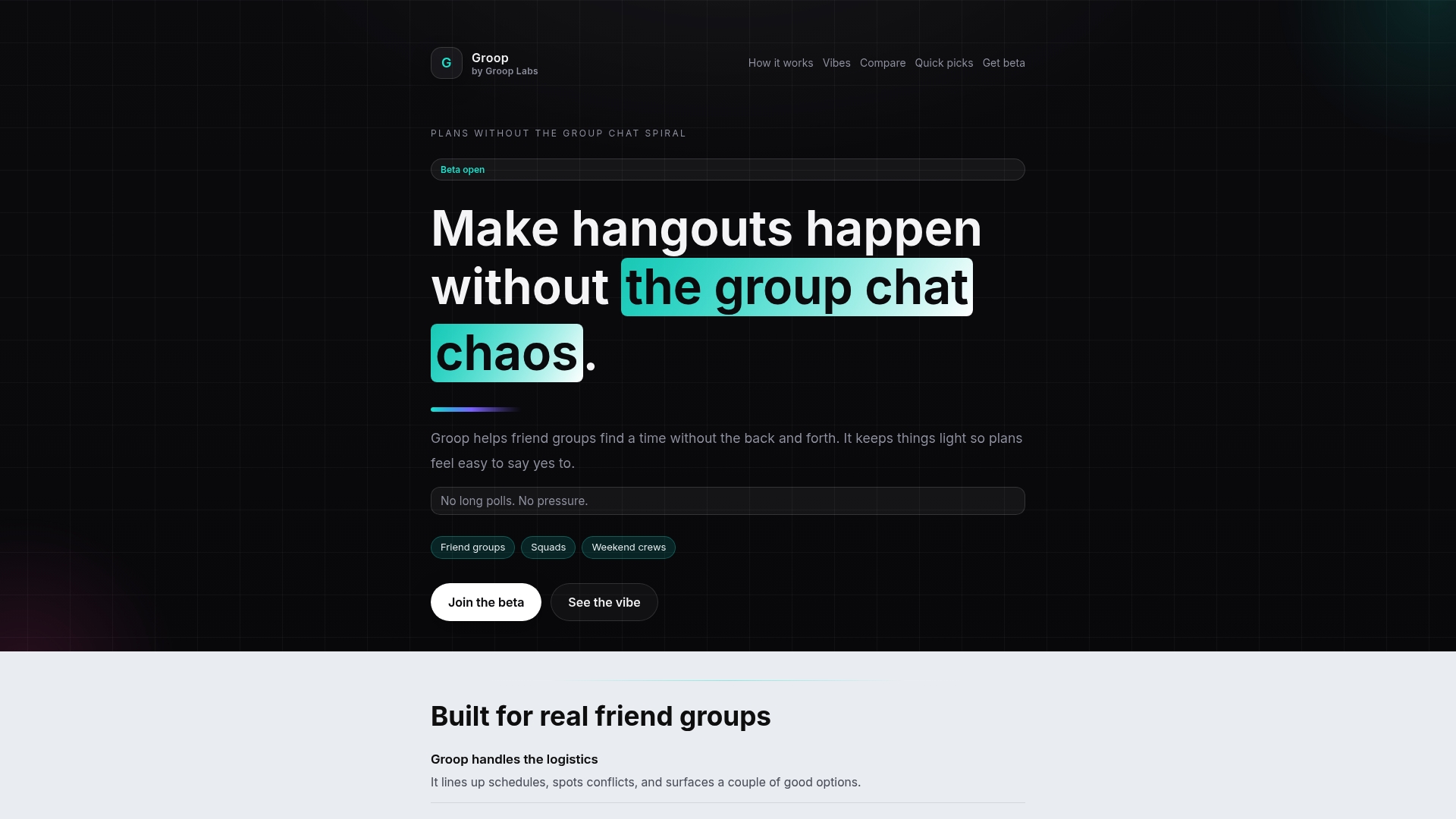
Experience how effortless coordinating hangouts or outings can be when you use Grooop’s lightweight social coordination features. Start a plan today on Grooop's official site and join countless friend groups enjoying efficient and pressure-free social planning. Don’t wait to transform your next event into a seamless experience where everyone’s voice is heard and plans come together quickly. See how Grooop keeps your group connected without complicating the fun with endless messages. Explore more about how Grooop can change your group’s social planning here and get started now!
Frequently Asked Questions
What are the key benefits of managing friend group events?
Effectively managing friend group events can enhance connection, reduce stress, and ensure everyone's preferences are respected, leading to enjoyable and meaningful social experiences.
How can technology help with friend group event planning?
Technology provides social coordination tools that facilitate real-time messaging, shared calendars, and polling, allowing for smoother communication, decision-making, and scheduling among friends.
What common challenges do friend groups face in event management?
Friend groups often struggle with schedule conflicts, miscommunication, decision fatigue, budget limitations, and uneven participation, which can complicate planning.
How can I ensure everyone in my friend group feels included in the planning process?
Distributing planning responsibilities, using collaborative planning tools, encouraging input from all members, and offering multiple options for scheduling can help create an inclusive environment.