
Articles
15 fun ways to maintain your friend group vibe
Struggling to keep your friend group close? Here are 15 practical, fun strategies to maintain your group vibe and stay connected all year long.
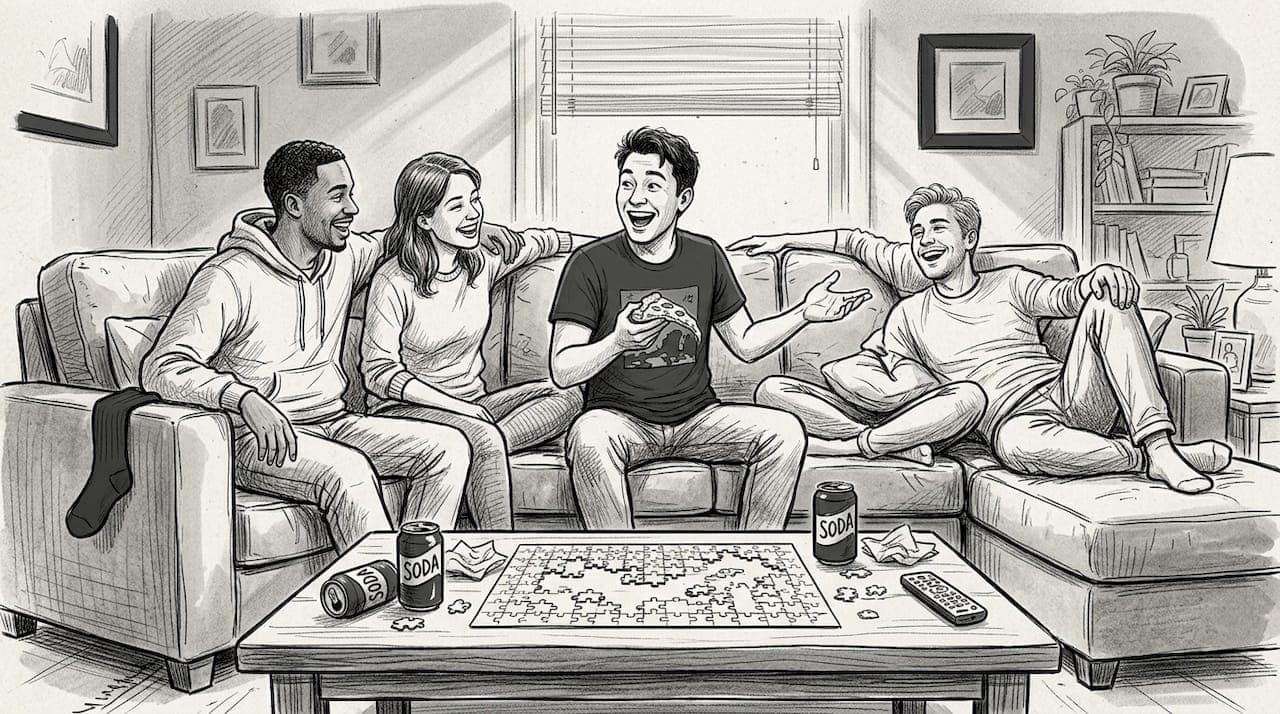
15 fun ways to maintain your friend group vibe

Keeping a friend group's energy alive is genuinely hard. Everyone gets busy, schedules clash, and suddenly the group chat goes quiet for two weeks straight. It happens to almost every crew at some point, and it does not mean your friendships are fading. It just means the group needs a little intentional effort to stay connected. The good news is that small, consistent moves beat grand gestures every time, and the 15 strategies below are designed to fit real life, not a perfect schedule.
Table of Contents
- What makes a group vibe last?
- 15 creative ways to maintain your group vibe
- Comparison: What strategies fit which group?
- Troubleshooting: When the vibe feels off
- Smart tools for keeping everyone connected
- Keep your crew connected with Grooop
- Frequently asked questions
Key Takeaways
| Point | Details |
|---|---|
| Consistency is vital | Regular check-ins and routines keep group energy strong over time. |
| Mix fun with flexibility | Prioritize simple, low-stress plans and micro-adventures every group can join. |
| Use democratic planning | Let everyone vote to create buy-in and minimize plan fatigue. |
| Embrace change naturally | Group vibes shift and that’s normal, so focus on inclusion and honesty. |
What makes a group vibe last?
A "group vibe" is the collective energy, mood, and sense of connection that makes hanging out feel natural and fun. It is not just about having a good time once in a while. It is about the ongoing feeling that your crew actually gets each other.
Research points to a few core ingredients that keep friend groups tight:
- Consistency: Regular check-ins are one of the most important mechanics for maintaining group cohesion over time.
- Empathy and honesty: Respecting boundaries and being real with each other are foundational to healthy long-term friendships, especially for teens.
- Inclusion: Making sure no one feels left out of plans or conversations.
- Shared routines: Recurring activities that give the group something to look forward to.
- Commitment: Showing up, even when it is just a quick reply in the chat.
"The groups that last are not the ones with the most drama-free history. They are the ones where people keep choosing each other, even when life gets loud."
It is also worth noting that groups naturally shift over time. People change, interests evolve, and that is completely normal. The goal is not to freeze the group in place but to keep the connection flexible and alive. If you want more ideas on how to structure your digital communication, chat group tips can help you set the right tone from the start.
15 creative ways to maintain your group vibe
With those foundations in mind, here are the real-world strategies that actually work.
-
Go on micro-adventures. Spontaneous food runs, a local hike, or a short road trip do not need to be elaborate. Shared fun routines and small adventures are more sustainable for group energy than big, rare events.
-
Build a group meme folder. Create a running collection of inside jokes, funny screenshots, or memes that only your crew understands. It keeps the chat alive even on slow days.
-
Start one recurring tradition. A monthly brunch, a playlist swap, or a weekly game night gives everyone something to anchor to. Traditions do not need to be fancy, just consistent.
-
Rotate who hosts. Spread the effort around by taking turns hosting hangouts or digital game nights. It removes pressure from one person and keeps things fresh.
-
Try remote movie nights. Apps like Teleparty let you watch the same thing simultaneously from different locations. Low effort, high fun.
Pro Tip: Keep plans lightweight and pressure-free. A remote movie night with zero dress code and a group chat running alongside it is often more fun than an overplanned event.
-
Assign positive accountability roles. Designate who plans the next hangout, who sends reminders, and who takes photos or documents the memory. Rotating these roles keeps everyone invested.
-
Check in one-on-one. If someone in the group has been quiet lately, send them a direct message. A simple "hey, you good?" goes a long way and strengthens the individual bonds that hold the group together.
-
Build around shared interests. Join a club, a sports league, or a fandom together. Interest-based activities naturally maintain cohesion because the group has a shared goal beyond just "hanging out."
-
Use digital tools for scheduling. Stop the endless "when is everyone free?" thread. Apps built for group chat app features can surface availability automatically and cut the back-and-forth in half.
-
Vote on the next hangout. Democratic planning boosts commitment. When everyone has a say in what happens next, more people actually show up.
-
Celebrate small wins. Birthdays, good grades, a new job, even finishing a tough week. A quick shout-out in the group chat costs nothing and means a lot.
-
Remix your routines occasionally. If the same hangout spot is getting stale, suggest something new. A small change in scenery can reset the energy for the whole group.
-
Share a group playlist. Collaborative playlists on Spotify let everyone add songs. It is a low-effort, ongoing way to stay connected through music and taste.
-
Create a group photo album. Use a shared album or a simple cloud folder to collect memories. Looking back at old photos is one of the fastest ways to reignite group energy.
-
Use hassle-free group apps to reduce friction. The easier it is to make a plan, the more likely it is to actually happen. Tools that simplify coordination mean less stress and more actual time together.
Comparison: What strategies fit which group?
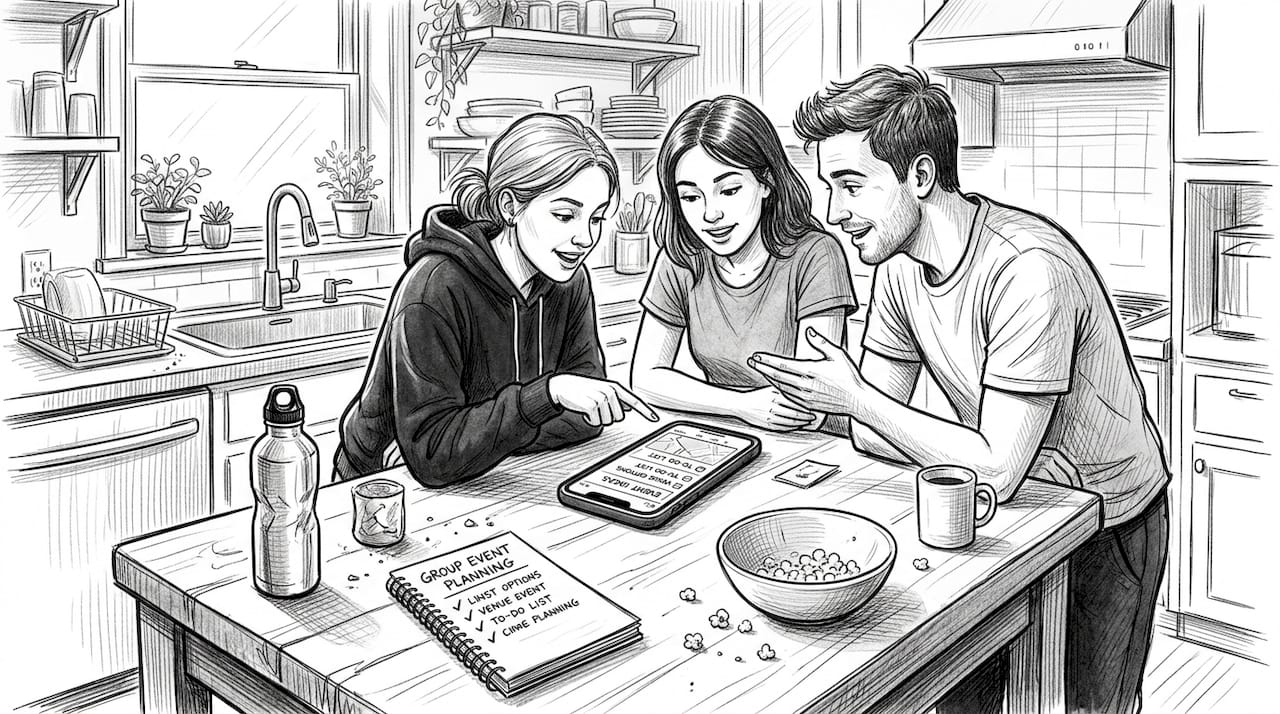
Not every group has the same energy or needs, so here is how to match the move to your crew.
| Strategy | Tight-knit group | Big friend group | Interest-based group | Off-and-on group |
|---|---|---|---|---|
| Micro-adventures | Great fit | Works with subgroups | Perfect with shared interest | Good for reconnecting |
| Recurring traditions | Excellent | Hard to coordinate | Works well | Low commitment needed |
| Rotating host | Easy to manage | Needs organization | Natural rotation | May feel forced |
| Digital scheduling tools | Helpful | Essential | Very useful | Critical for low-effort plans |
| One-on-one check-ins | Already happening | Especially important | Good for quieter members | Key for maintaining bonds |
| Interest-based activities | Fun add-on | Great for subgroups | Core strategy | Good re-entry point |
A few special considerations worth calling out:
- Long-distance or digital-only groups rely heavily on consistent chat activity and scheduled virtual hangouts. Tools matter more here.
- Hybrid groups (some local, some remote) need both in-person and digital strategies running at the same time.
- Off-and-on groups benefit most from low-commitment plans. The easier the ask, the more likely people reconnect.
For groups looking at alternative platforms, Groopchat.co alternatives breaks down options that might fit your specific crew better.
Pros and cons at a glance:
- Micro-adventures: High fun factor, low cost, but need at least a few people free at the same time.
- Recurring traditions: Build strong bonds over time, but require consistent commitment.
- Digital tools: Reduce planning friction significantly, but work best when everyone actually uses the app.
- Interest-based activities: Naturally sustaining, but only work if the interest is genuinely shared.
Troubleshooting: When the vibe feels off
But what if it feels like your group vibe is fading or suddenly awkward? It happens, and recognizing the signs early makes it easier to fix.
Signs the vibe is fading:
- The group chat goes quiet for days or weeks at a time.
- Plans keep getting canceled or no one initiates new ones.
- Conversations feel surface-level or forced.
- One or two people are doing all the work to keep things going.
- There is low-key tension that nobody is addressing.
When you notice these signs, a gentle call-in works better than a confrontation. Something like "Hey, I feel like we have not really connected lately, want to plan something?" opens the door without putting anyone on the spot.
"Normalizing the shift is the first step. Not every group stays the same, and that is not a failure."
It is also important to respect boundaries. If someone needs space, pushing harder usually makes things worse. Friend groups naturally shift during adolescence, and some friendships evolve as interests change. That is not a sign that something went wrong.
Green flags that the group is still healthy:
- People apologize when they miss plans.
- Friends check in on each other individually.
- New members or ideas are welcomed, not resisted.
- Disagreements get resolved without lasting drama.
- Everyone feels included in decisions.
If you want to make the logistics side of reconnecting easier, simplifying group chats is a great place to start reducing the friction that makes plans fall apart.
Smart tools for keeping everyone connected
Of course, today's best groups combine fun plans with the right, simple tech. The right app does not replace real connection, but it removes the annoying logistics that get in the way of it.
| Tool | Best for | Key strength | Limitation |
|---|---|---|---|
| Grooop | Casual friend groups | Auto-lines up availability, no long polls | Mobile-focused |
| Large or international groups | Universal reach, free | No built-in scheduling | |
| Discord | Interest-based or gaming groups | Channels, voice chat, bots | Can feel overwhelming |
| Google Calendar | Structured groups | Shared events, reminders | Feels formal for casual plans |
| Snapchat | Visual, close-knit groups | Stories, streaks, casual feel | Limited planning features |
Pro Tip: Combine digital reminders with a real-world cue, like a recurring calendar event or a sticky note on your desk, so plans do not get buried in notifications.
When picking an app, think about three things: your group's size, how often you actually want to meet, and whether people will realistically open the app. The best tool is the one your whole crew will use without being nagged. Efficient group chats work best when the setup matches how your group already communicates.
Consistent communication is the backbone of group cohesion, and the right app makes that consistency feel effortless rather than like a chore. If you are still figuring out which platform fits your crew, the meetup application guide walks through the key features to look for.
Keep your crew connected with Grooop
Planning hangouts should not feel like a second job. If your group is stuck in the endless "when is everyone free?" loop, Grooop was built specifically to fix that.
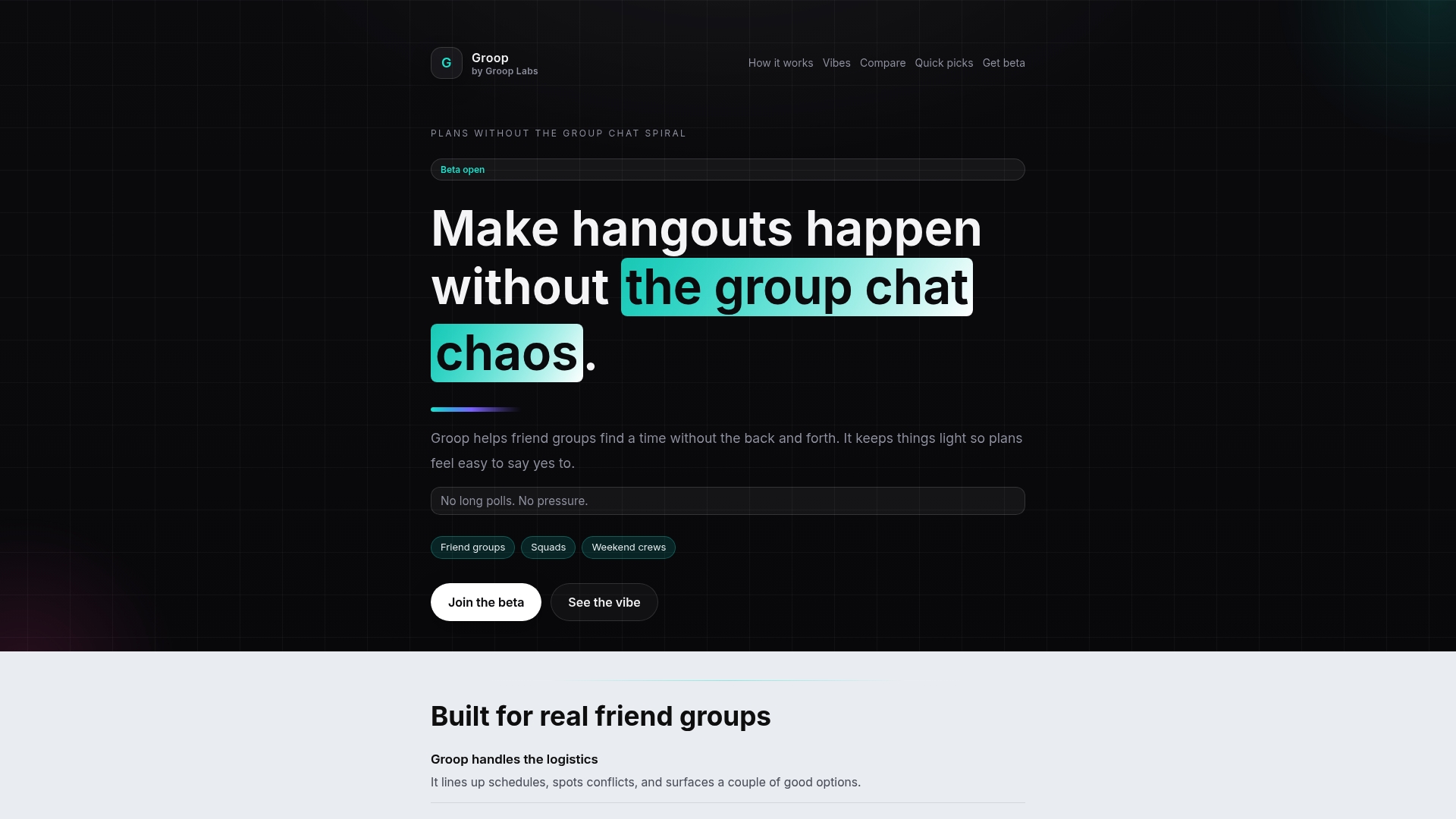
Grooop by Groop Labs automatically lines up everyone's availability, surfaces conflicts before they become problems, and gives your group simple, clear choices instead of a 47-message thread. No long polls, no pressure, no chaos. Just a clean way to get your crew together without the back-and-forth. Whether you are organizing a weekend hike, a study session, or a spontaneous hangout, Grooop keeps the vibe intact from the first message to the final plan. Download Grooop and make your next hangout the easiest one yet.
Frequently asked questions
What is a group vibe and why does it matter?
A group vibe is the overall mood and energy in your friend group, and it matters because it shapes whether time together feels natural and fun or forced and awkward. Regular check-ins are one of the key mechanics that keep that energy positive over time.
How can our group stop plans from falling through?
Use digital tools for reminders and group voting, and keep plans simple so more friends can actually join. Democratic planning through group votes on dates and activities boosts commitment and handles varying attendance naturally.
How do we bring back positive energy if the vibe is off?
Start an honest, low-pressure conversation about what has changed, check in with quieter friends individually, and try switching up your usual plans or location. Green flags like apologies and active inclusion are signs the group is ready to reconnect.
What if our group is changing or some friends drift away?
It is completely normal for friend groups to evolve, especially during your teens and early twenties. Friend groups naturally shift as interests change, so focus on honesty and inclusion to keep the healthiest connections strong.