
Articles
Guide to Building Strong Friend Groups in 2026
Discover how to build and nurture strong friend groups in 2026 with our friendly guide. Find support, foster trust, and create lasting connections together.
Have you ever felt a little out of place, wishing for a deeper sense of connection as life speeds up around you? You’re not alone. Many of us are searching for ways to build meaningful friend groups that truly feel like home, especially in 2026 when everything can feel so fast and digital. This guide is here to help you find, nurture, and keep strong friendships, whether you’re looking to understand group dynamics, meet new people, or simply keep your circle close. We’ll walk through practical steps, real-life challenges, and gentle ideas to make belonging easier for all of us.
Understanding Modern Friend Groups in 2026
Feeling connected looks different in 2026, and so do our friend groups. With new ways to socialise, both online and face-to-face, the shape and meaning of friendship circles have shifted. Let’s take a look at how these changes affect who we find, how we gather, and why friend groups matter more than ever.
The Changing Landscape of Friendships
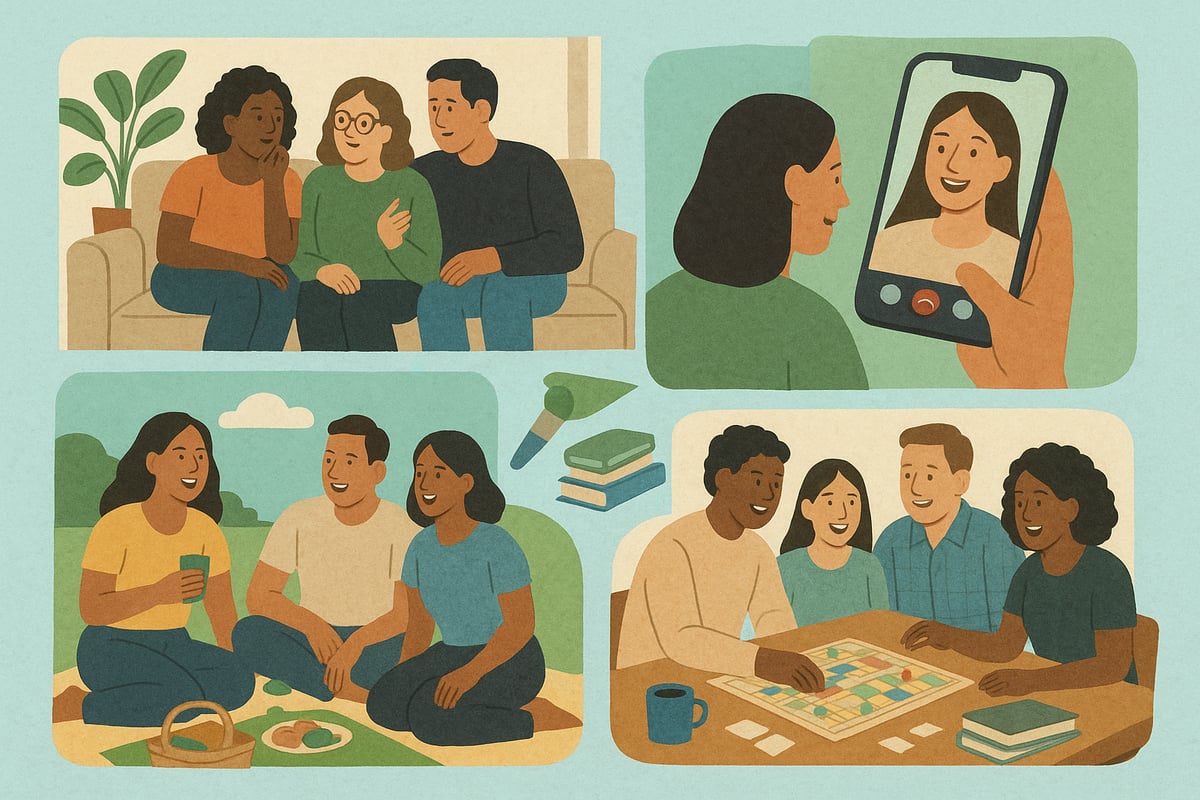
The world of friend groups has transformed, especially since the pandemic. More of us are mixing digital and in-person catchups, with apps and social platforms making it easier to find and stay in touch with people who share our interests. Hybrid socialising is now a staple, whether it’s meeting at a café or jumping into a group chat after work.
Everyone’s approach to friend groups is unique. Some people feel energised in big, lively circles, while others prefer smaller, close-knit groups where deeper bonds form. Your personality plays a part—introverts might seek quieter spaces, and extroverts may enjoy being part of several friend groups at once.
Intentional spaces have also gained popularity. In 2026, there are more hobby-based circles, support groups, and inclusive spaces for LGBTQ+ and neurodivergent folks. Past experiences, like bullying or feeling left out at school, often shape what people look for in their adult friend groups.
You might hear people talk about their “chosen family,” a group where acceptance and support come first. Others find community in digital-first friend groups, such as online gaming squads or art collectives. No matter the format, finding a space where you belong is a key part of forming strong friend groups.
Why Strong Friend Groups Matter
Having solid friend groups can be a real anchor in a busy world. These circles offer more than just company—they bring emotional support, a sense of belonging, and a boost to your overall wellbeing. People who regularly connect with their friend groups often report feeling less lonely and more resilient when life gets tough.
Research shows that participating in friend groups can lower feelings of isolation and even improve health. According to the Mayo Clinic, strong friendships are linked to reduced stress, healthier habits, and better mental health outcomes. You can read more about the benefits of supportive friendships in their article, Friendships enrich your life and improve your health.
Friend groups can also act as a buffer against daily pressures, giving you a safe space to share, laugh, or vent. Unlike one-to-one friendships, group belonging brings a unique energy—there’s a shared sense of identity and collective support. Whether you’re celebrating wins or tackling challenges, your friend groups help you feel seen and valued.
Finding and Forming Your Friend Group
It can feel tricky to find your place, especially when everyone’s moving at their own pace. Whether you’re looking to expand your circle or start fresh, building friend groups in 2026 is all about knowing yourself and taking gentle, small steps. Let’s explore how you can find, meet, and connect with the people who’ll become your chosen community.
Identifying Your Friendship Needs
Before diving into new friend groups, take a moment to reflect on what you truly want from these connections. Are you hoping for a support network, a group to share hobbies with, or just a bit more fun in your routine? Knowing your needs helps you spot the right fit.
Think about your personality traits. If you’re an introvert, you might feel more at home in smaller, close-knit friend groups where conversations run deep. Extroverts often thrive in larger circles, enjoying the energy of lively gatherings. Attachment styles can also play a part, influencing how you connect and feel comfortable with others.
Consider past experiences, too. Maybe school friendships felt competitive or you faced challenges like bullying. It’s okay to want something different now. By recognising these patterns, you can seek out friend groups that feel safe, welcoming, and genuinely supportive for you.
Where to Meet Like-Minded People in 2026
Once you know what you’re looking for, it’s time to explore where your future friend groups might be waiting. The world is full of spaces that welcome new faces, both online and offline. Hobby clubs, volunteering projects, and community workshops are great places to start. Digital spaces like online gaming groups, interest-based forums, and social apps make it easier than ever to connect.
Inclusive options are growing, too. LGBTQ+ meetups, neurodivergent-friendly events, and support groups ensure everyone can find their place. Want a twist? Try something like an axe-throwing club or a book exchange café. If you’re feeling shy, remember, just showing up is enough—no need to put pressure on yourself.
Research shows that highlighting what you have in common can make forming friend groups easier. For example, Displaying Things in Common to Encourage Friendship Formation explores how shared interests spark connection, especially in online communities. So, don’t be afraid to mention your favourite games, hobbies, or causes—it’s a simple step that can bring people closer.
Building the Foundation for New Groups
Starting new friend groups often begins with a shared activity or interest. Maybe it’s a weekly board game night, a running club, or a creative workshop. Consistency matters—showing up regularly, even if just to say hello, helps trust grow naturally.
Openness is key. When you share a little about yourself, others are more likely to do the same. It could be as simple as talking about your week or sharing a funny story. Vulnerability isn’t about oversharing, but about being real. Over time, these small moments create a foundation for your friend groups to thrive.
Real-life stories remind us that everyone starts somewhere. Maybe you joined a community garden and found not only fresh veggies but also new friends. Or perhaps a casual online chat turned into a tradition of virtual movie nights. The most important thing is to go at your own pace. Friend groups grow best when everyone feels comfortable and included.
Fostering Trust and Openness Within the Group
Building trust and openness is what turns friend groups from casual hangouts into genuine support networks. When everyone feels safe, respected, and able to show up as themselves, the group becomes a place where real connection can grow. Let’s explore how to nurture this kind of environment, step by step.
Creating a Safe, Inclusive Environment
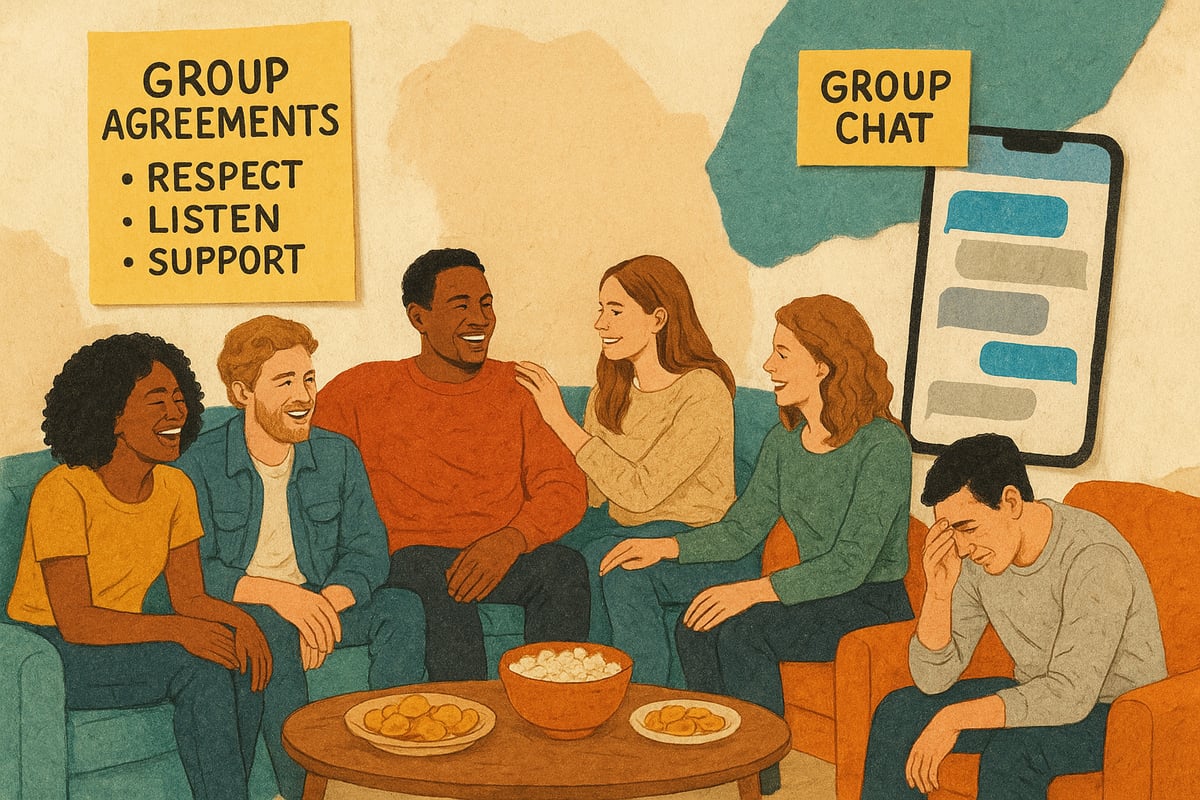
A strong sense of safety is the heart of friend groups. When everyone knows their voice matters, it’s easier to relax and be real. Setting some gentle group norms—like listening without judgement, respecting boundaries, and making sure everyone gets a turn—helps create this kind of space.
It can help to write a simple group agreement together or check in now and then about how everyone’s feeling. Rotating who leads group activities, or simply making space for quieter members, keeps things balanced. During big life changes, such as moving or a tough week, supporting each other can make all the difference.
Research shows that the emotional bonds formed in friend groups are deeply rewarding for our brains and wellbeing. If you’re curious, The developmental significance of friendships from a neuroscience perspective shares fascinating insights into why these connections matter so much.
Encouraging Authenticity and Vulnerability
Opening up with each other is what makes friend groups meaningful. When we share our real stories and feelings, we build trust and understanding. Psychological safety is key—nothing should feel “too weird” or “off-limits” to talk about.
You might try using prompts during meetups, like “What’s something you’re proud of this month?” or “What’s a small win you had recently?” Even sharing a laugh about an awkward moment can bring the group closer. Humour and inside jokes also help make friend groups feel like a second home.
The more we show up as ourselves, the easier it becomes for others to do the same. Over time, this honesty weaves a strong, lasting bond that helps everyone feel they truly belong.
Navigating Conflict and Competition
Even in the best friend groups, disagreements will pop up. Conflict is natural, and if handled kindly, it can actually deepen trust. When something feels off, bringing it up gently in a group chat or in person can help clear the air.
Try to keep discussions calm and focused on how people feel, not on who’s “right.” Sometimes taking a short break or asking a neutral friend to mediate can help. Competition or comparisons can also sneak in, especially in diverse groups, so it’s useful to celebrate each person's strengths and journeys.
Keeping harmony is about supporting each other’s needs and not forcing anyone to join every activity. Friend groups work best when everyone feels heard, valued, and free to be themselves.
The Role of Digital Tools in Group Coordination
In 2026, digital tools have quietly woven themselves into the fabric of our friend groups. Planning get-togethers or keeping everyone in the loop feels different now, with technology making it both easier and, sometimes, a bit more complicated.
Making Planning and Communication Effortless
For many friend groups, digital platforms are the main way we keep plans alive. Group chats buzz with ideas, polls, and last-minute changes. Sometimes, though, it can feel like everyone is talking at once, and no one is really sure what’s happening next.
It’s easy to get lost in a sea of messages. Endless voting on dates, decision fatigue, and the classic “who’s actually coming?” can leave even the closest friend groups feeling a bit scattered. The right digital tools can help, but only if they fit naturally into our lives rather than adding extra pressure.
Modern platforms are starting to make things lighter. They surface who’s available, let everyone share ideas, and help avoid anyone feeling left out. In fact, as digital collaboration has improved across different types of groups, we’ve seen digital collaboration for a connected manufacturing workforce offer insights that can inspire how friend groups organise themselves—moving away from chaos and towards clarity.
The best tools now support us in finding a rhythm that works for our friend groups, whether that means regular meetups or spontaneous hangouts. With options for quieter notifications and clear schedules, coordination feels less like a chore and more like part of the fun.
How Groop Simplifies Group Planning
Groop was designed for friend groups who want to spend more time together without the stress of endless back-and-forth. Instead of one person doing all the heavy lifting, Groop automates the tricky bits—like checking availability or suggesting times—so everyone can join in when it feels right.
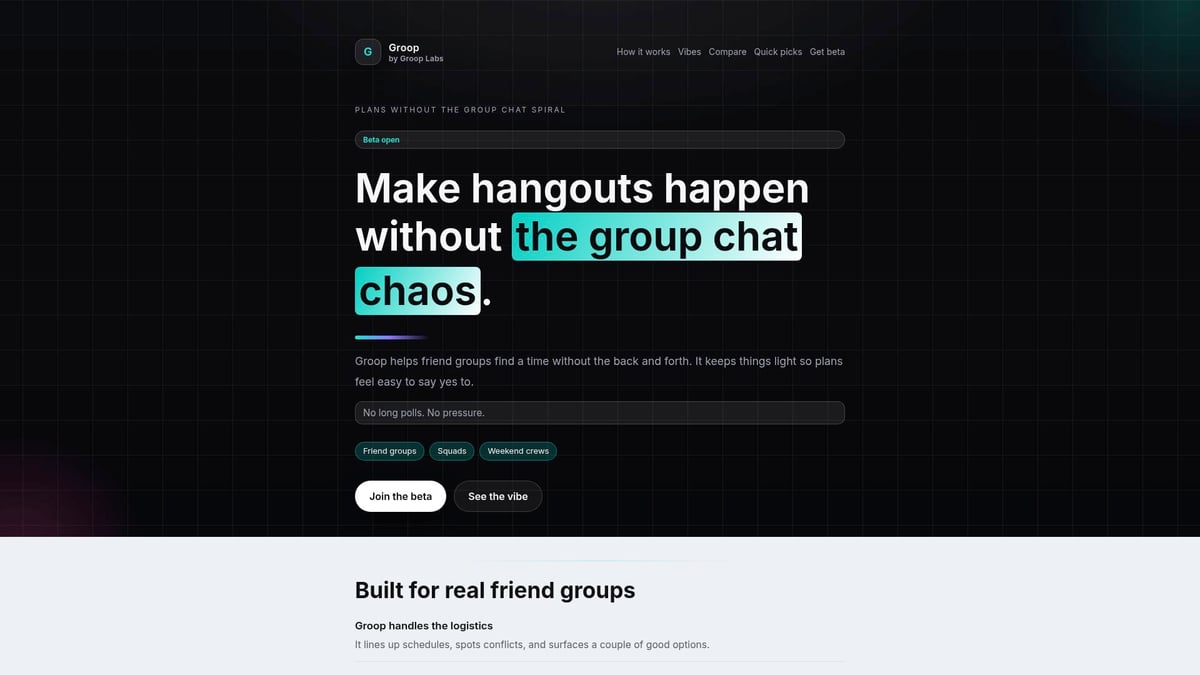
You won’t need to chase replies or sort through dozens of messages. Groop surfaces options clearly, making it easy for friend groups to see what works at a glance. Planning becomes a gentle nudge, never a demand, and you’re free to say “maybe later” without any guilt.
Here’s how it helps:
- Quick, friendly prompts to check who’s free.
- No pressure to respond straight away—everyone can take their time.
- Simple decision-making, so no one feels left out or overwhelmed.
For friend groups who want to keep things easy, Groop is a quiet helper in the background. It gives everyone equal say and lets plans come together naturally, making group time feel special instead of stressful.
Keeping Friend Groups Strong Over Time
Staying close with friend groups can feel tricky when life gets busy, but it’s absolutely possible. Even as routines shift and schedules fill up, those meaningful connections are worth keeping. Let’s look at gentle ways to nurture your friend groups so everyone feels seen, supported, and welcome—no matter what life brings.
Maintaining Connection in Busy Lives
It’s normal for friend groups to face challenges as everyone’s lives change. Work, family, and new interests can pull us in different directions, but small rituals help keep things steady.
- Set up monthly catch-ups—these could be a coffee date, a group walk, or even a shared playlist.
- Use group chats for quick check-ins, sending memes, or celebrating little wins.
- Try virtual hangouts or hybrid events so everyone can join, even from afar.
Consistency matters more than perfection. Even a simple “thinking of you” message can remind your friend groups that you care.
Supporting Each Other Through Ups and Downs
Real friend groups are there for both the fun times and the harder days. Being present, even in small ways, builds trust and comfort.
- Listen without rushing to fix things.
- Share words of encouragement or a funny story to lift someone’s mood.
- Remember birthdays and life milestones—celebrate together, no matter how small.
It’s also okay to set boundaries when you need space or support. Healthy friend groups respect when someone needs quiet or extra care.
Refreshing the Group Dynamic
Every group has its ups and downs. Sometimes the energy dips, or people drift. That’s normal. What helps is being open to change and new ideas within your friend groups.
- Welcome new members gently, letting them settle at their own pace.
- Suggest new activities—anything from trying a new restaurant to starting a book club.
- Check in together about how things feel, and ask what everyone would enjoy next.
Reflecting on what’s working and what could shift keeps friend groups feeling fresh and welcoming.
Avoiding Burnout and Group Fatigue
It’s easy to feel pressure to join every event or reply instantly in chats. But friend groups thrive when participation is flexible and guilt-free.
- Rotate who organises meetups, so no one carries the load alone.
- Say yes to rest—skip gatherings if you’re tired, and know your friends will understand.
- Make space for one-on-one catch-ups if big groups feel overwhelming.
Remember, “we’ll figure it out later” is a perfectly valid approach. The best friend groups make room for real life, rest, and genuine connection.
Embracing Diversity and Inclusion in Friend Groups
Feeling truly seen and valued is at the heart of all strong friend groups. In 2026, embracing diversity and inclusion is more than a trend, it’s an everyday practice that makes our connections richer and more meaningful. Let’s explore how we can create spaces where everyone feels they belong.
Welcoming Different Backgrounds and Perspectives
Diverse friend groups bring fresh ideas, laughter, and a sense of belonging to everyone involved. When we welcome different backgrounds, cultures, and life experiences, our conversations become more vibrant and our support deeper.
- Invite everyone to share their stories and traditions.
- Rotate who chooses group activities, so all voices are heard.
- Celebrate cultural milestones and personal achievements together.
Past experiences, like feeling left out or marginalised, can shape how comfortable someone feels in new friend groups. Being aware of this helps us create spaces where no one is left on the sidelines.
Navigating Accessibility and Neurodiversity
Making friend groups accessible means thinking about everyone’s needs, including those who are neurodivergent or have different communication styles. Simple tweaks can make a big difference.
- Use group chats with clear, simple messages.
- Offer quieter spaces or sensory-friendly events.
- Give everyone time to speak, using turn-taking or hand signals if helpful.
Flexibility is key. Ask what works best for your group, and be open to trying new ways of connecting. Friend groups thrive when everyone feels comfortable and included.
Building Group Culture Around Respect and Growth
A healthy group culture is built on respect, openness, and a willingness to grow together. Friend groups that talk openly about their values and expectations often avoid misunderstandings and build trust.
- Start conversations about what matters to the group.
- Practice “calling in” gently when something feels off.
- Support each other’s learning and celebrate growth.
Some of the strongest friend groups are those where people feel safe to be themselves, knowing mistakes are met with kindness rather than judgement.
The Role of Media and Social Norms
Media often shows friend groups as picture-perfect, but real life is messier and far more rewarding. Comparing our group to others can create pressure, but focusing on what feels right for us is much healthier.
- Notice when social media shapes your expectations.
- Talk in the group about what connection really means to you.
- Value quality time and genuine support over numbers.
Remember, imperfect moments and honest conversations are what make friend groups truly special. It’s about finding joy in the real, not just the ideal.After everything we’ve explored about building and keeping strong friend groups in 2026, it’s clear that finding ways to stay connected without stress makes all the difference. We all want more time together and less time lost in endless chats and confusing plans. That’s exactly why I think you’ll love what Groop is doing to make group coordination simple, fair, and genuinely enjoyable. If you’re ready for smoother get togethers and more laughter with your people, Join the beta—let’s make group plans feel easy, so we can focus on the moments that matter.