
Articles
Easiest group activities: quick fun for friends
Discover the easiest group activities for friend hangouts, plus simple ways to organize them without endless group chats or planning stress.
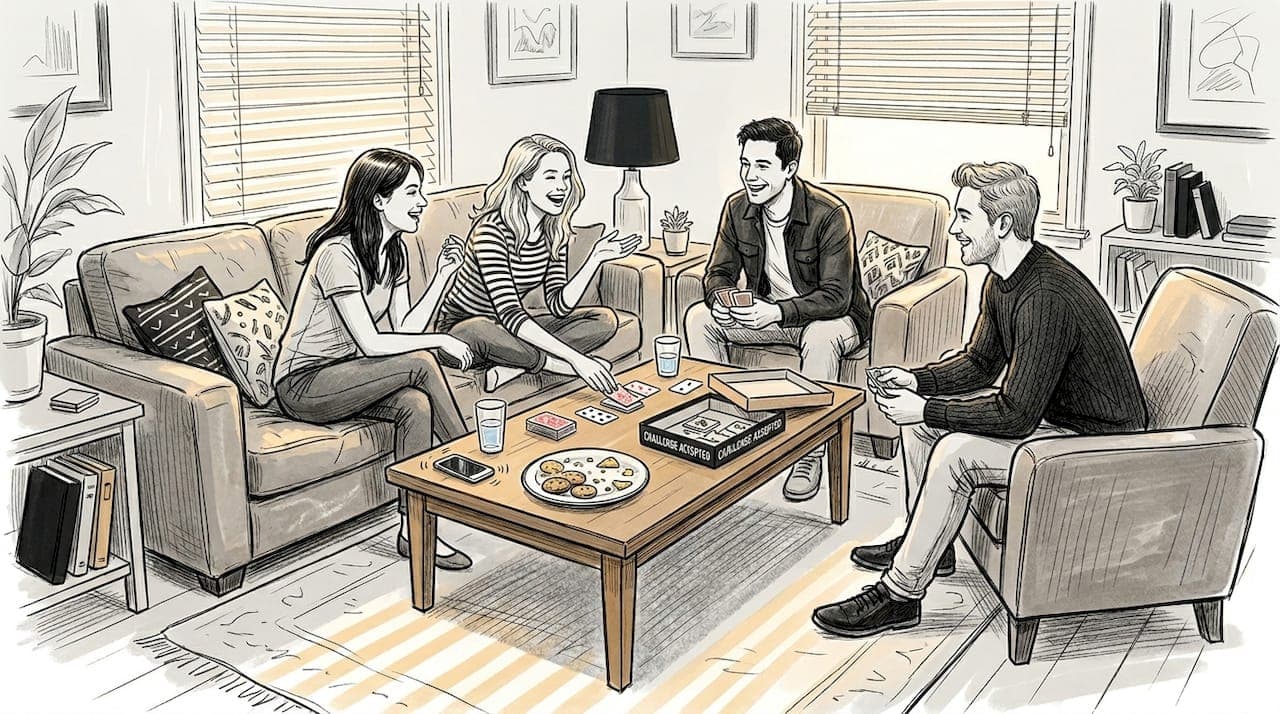
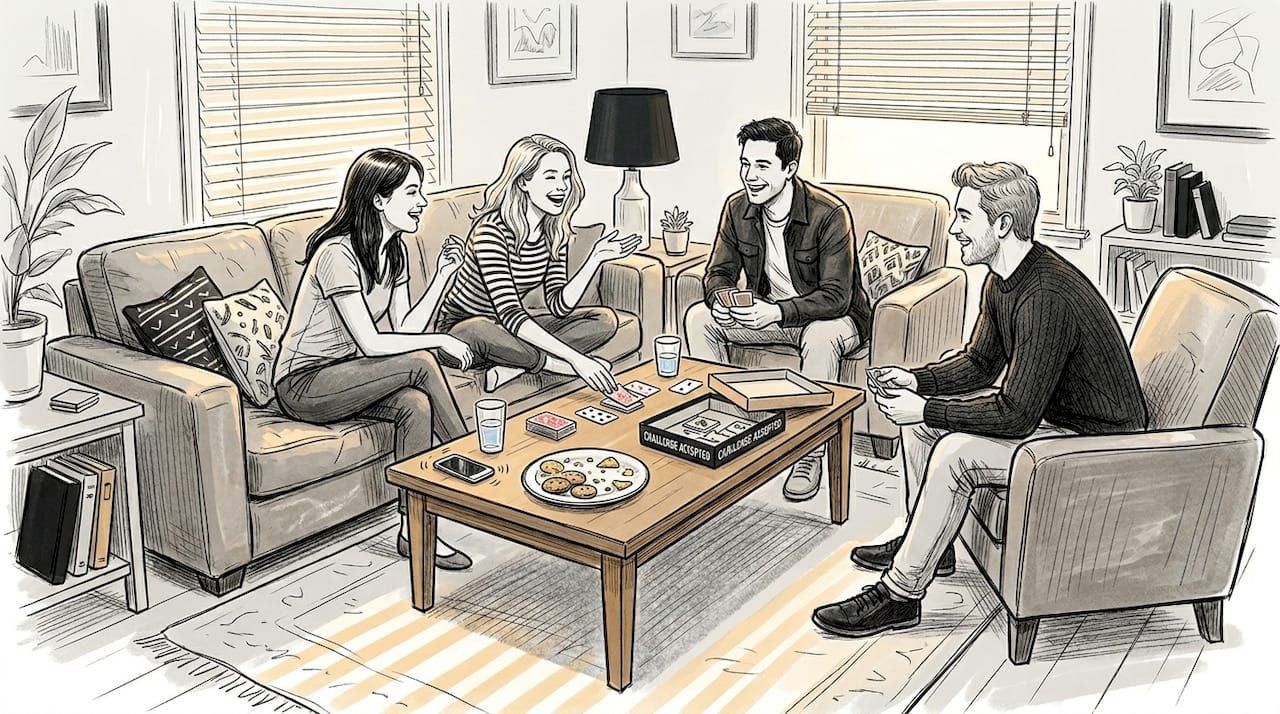
Easiest group activities: quick fun for friends
TL;DR:
- Simplify planning with recurring events, group polls, and clear cost upfront.
- Use quick, material-free icebreakers and outdoor activities for easy engagement.
- Consistency and rotation of activities build stronger long-term group connections.
Group chats are great until someone asks "so what are we doing this weekend?" and suddenly 47 messages later, you still have no plan. Coordinating a hangout can feel like herding cats, with everyone having different schedules, budgets, and opinions. The good news is that picking fun group activities doesn't have to be a whole production. This guide walks you through the best low-effort, high-fun options for any friend group, plus practical ways to organize them so you spend less time planning and more time actually hanging out.
Table of Contents
- How to pick and organize group activities efficiently
- Best icebreakers and bonding games
- Creative outdoor and low-effort adventures
- Problem-solving and challenge-based group activities
- Choosing the right activity: comparison and recommendations
- What most lists get wrong about group activity planning
- Ready to make group hangs effortless?
- Frequently asked questions
Key Takeaways
| Point | Details |
|---|---|
| Use simple frameworks | Setting recurring events and clear polls eliminates long planning discussions. |
| Try low-prep activities | Icebreakers and quick outdoor adventures require little setup but build strong group bonds. |
| Mix activity types | Alternate between cooperative and competitive games to keep things fun and fair for everyone. |
| Adapt to the group | Choose activities that fit your group’s size, energy, and comfort level for the best results. |
How to pick and organize group activities efficiently
By understanding what causes hangout plans to fail, you can use a few simple tricks to make group activities nearly automatic. The biggest friction points are almost always the same: group chat fatigue (too many messages, not enough decisions), unclear costs, and good old-fashioned indecision. When no one wants to be the one to "make the call," plans just stall.
The fix isn't a better activity idea. It's a better process. Tips for easy group planning point to a few proven methods: standing or recurring events, group polls with clear deadlines, rotating who hosts, and always being upfront about costs from the start. These small shifts remove the guesswork and keep things moving.
One of the most underrated strategies is the recurring event. Instead of renegotiating every single week, you pick a time that works and lock it in. Recurring low-commitment events are one of the best ways to keep friend groups consistently connected without burning anyone out. Good social scheduling is about reducing decisions, not adding them.
When choosing an activity, run it through this quick checklist:
- Minimal materials: No one wants to buy supplies for a one-time hangout
- Flexible group size: Works whether 4 or 12 people show up
- No special skills required: Everyone should feel comfortable joining in
- Short time commitment: Under two hours keeps it low-pressure
- Clear cost upfront: Free or cheap wins every time
For a step-by-step scheduling approach, start by proposing two or three time options, not an open-ended "when works for everyone?" question. That single change cuts response time dramatically.
Pro Tip: Set a recurring game night or group walk on the same day each week. When it's already on the calendar, you skip the renegotiation entirely and people actually show up.
Best icebreakers and bonding games
Once your group has a smooth process for organizing, the real fun begins with social games. Icebreakers get a bad reputation, but the right ones are genuinely fun and surprisingly good at building connection fast, even in groups where not everyone knows each other well.
Icebreaker games like Human Knot, Two Truths and a Lie, and 3 Question Mingle are fast, bond-building, and require zero materials. These are perfect for groups up to 20 people and can get everyone laughing in under 10 minutes. That's a pretty solid return on zero prep time.
Here are some top picks for group activity planning:
- Human Knot: Everyone stands in a circle, grabs hands across the group, and tries to untangle without letting go. Best for 8 to 16 people, takes about 10 to 15 minutes, and requires only open floor space.
- Two Truths and a Lie: Each person shares three statements about themselves, two true and one false. The group guesses the lie. Works for any size, takes 15 to 20 minutes, needs nothing at all.
- 3 Question Mingle: Everyone walks around and asks three personal questions to as many people as possible in a set time. Great for larger groups of 10 or more, runs about 10 minutes.
- Identity Circles: Participants form circles based on shared traits called out by a facilitator. Excellent for groups of 10 to 30, runs 15 minutes, and sparks real conversation about what people have in common.
- Party Circle: A fast-paced name and gesture game played in a circle. Works for 10 to 25 people, takes about 10 minutes, and gets energy up quickly.
Stat to know: Icebreaker games designed for teens and young adults can kickstart bonding for groups of up to 20 in under 10 minutes, with zero materials needed.
The best part about all of these is that they're genuinely replayable. Two Truths and a Lie hits different when you've known someone for a year and still learn something new about them.
Creative outdoor and low-effort adventures
For groups that want to get outside or need fresh ideas beyond games, there are plenty of unique activities that don't require much planning. Outdoor and low-effort activities like color hunting or mini-golf are easy to organize and fit flexible group sizes without needing reservations or gear.

Here's a quick comparison to help you choose:
| Activity | Best group size | Items needed | Time needed |
|---|---|---|---|
| Color hunting | 2 to 10 | Phone camera | 30 to 60 min |
| Mini-golf | 2 to 8 | None (venue provides) | 60 to 90 min |
| Short hike | 4 to 15 | Comfortable shoes | 60 to 120 min |
| Scavenger hunt | 4 to 20 | Phone or printed list | 45 to 90 min |
| Picnic | 4 to 20 | Food, blanket | 60 to 120 min |
Color hunting is one of the most underrated group activities out there. You pick a color and spend 30 to 60 minutes photographing everything in that shade around your neighborhood. It's free, creative, and works for any group size. The results make for great group chat content afterward too.
The benefits of going outdoor and low-prep are real:
- Spontaneous: Most of these can be decided and started within an hour
- Minimal gear: No one needs to pack or prepare much
- Flexible group size: Whether two or twenty people show up, it still works
- Mostly free: Hikes, picnics, and color hunts cost nothing
For scheduling outdoor plans with a bigger group, the key is keeping the decision simple.
Pro Tip: Drop a quick poll in your group chat with two or three outdoor options and a 24-hour deadline to vote. You'll have a plan locked in before anyone has time to overthink it.
Problem-solving and challenge-based group activities
If your group thrives on energy and teamwork, try activities that turn problem-solving into lively competition or cooperation. These are the hangouts people talk about for weeks afterward because they're genuinely memorable.
- Marshmallow Challenge: Teams use spaghetti, tape, and string to build the tallest freestanding structure topped with a marshmallow. The Marshmallow Challenge is one of the best rapid-prototyping games around, pushing communication and creativity with only household items. Best for groups of 8 to 24, runs about 20 minutes.
- Egg Drop: Teams design a contraption from basic materials to protect a raw egg from a drop. Works for groups of 6 to 20, takes 30 to 45 minutes, and gets surprisingly competitive.
- River Crossing: Using only a set number of "stepping stones" (paper plates or cardboard), the whole group has to cross a designated space without touching the floor. Great for 8 to 20 people, takes 15 to 20 minutes.
- Puzzle race: Split into teams and race to complete identical puzzles. Simple, cheap, and endlessly scalable. Works for 4 to 30 people.
- Escape room (in-person or virtual): For groups that want a longer, more immersive challenge, escape rooms are a strong pick. Many free scheduling apps can help you coordinate the booking without any group chat chaos.
"Structured group activities boost peer support and reduce loneliness, but effects fade after 2 to 3 months if not repeated."
That research finding is worth taking seriously. One great challenge activity isn't enough on its own. Building these into a regular rotation is what actually strengthens group bonds over time.
Choosing the right activity: comparison and recommendations
With so many activities to choose from, here's how to match the right one to your group's needs. Not every activity fits every group, and forcing the wrong one can make things awkward fast.
| Activity type | Best group size | Time needed | Best vibe |
|---|---|---|---|
| Icebreakers | 6 to 20 | Under 20 min | New or mixed groups |
| Outdoor adventures | 4 to 20 | 60 to 120 min | Casual, spontaneous |
| Problem-solving challenges | 6 to 24 | 20 to 45 min | High energy, competitive |
| Cooperative games | 4 to 12 | 30 to 60 min | Trust-building, chill |
| Competitive games | 4 to 16 | 30 to 90 min | High energy, strategic |
Cooperative games are better for building trust and comfort, while competitive games sharpen strategic thinking and get energy levels up. Both have a place in a healthy group hangout rotation.
Here's a quick guide for navigating social planning decisions:
- New group or shy members: Start with low-stakes icebreakers or cooperative games. Adapting activities for comfort level makes a real difference in whether people open up.
- High-energy group: Go straight to problem-solving challenges or competitive games.
- Mixed ages or personalities: Outdoor activities like picnics or scavenger hunts are the safest, most inclusive bet.
- Small group of 4 to 6: Puzzle races, Two Truths and a Lie, or a short hike work perfectly.
A solid rule of thumb from this event scheduling guide is to aim for a 60/40 mix of cooperative to competitive activities across your hangout rotation. That balance keeps things fun without anyone feeling like every meetup is a tournament.
What most lists get wrong about group activity planning
Having mapped out choices, it's worth tackling what truly makes group hangs succeed or fade out. Most activity lists focus entirely on the ideas themselves, which misses the actual problem. The real blocker isn't a lack of fun options. It's the friction of planning the same thing over and over again.
Flashy one-off events feel exciting but rarely build lasting group connection. What actually works is showing up consistently, even if the activity is simple. A standing Tuesday walk beats a perfectly planned rooftop party that only happens once.
Research backs this up clearly. Group activity benefits like reduced loneliness and stronger peer support are real, but they fade within 2 to 3 months without repetition. Connection is built through consistency, not novelty. The best activity for your group isn't the most creative one on this list. It's the one your group will actually show up for again next week. Lean into that, and use good ongoing group planning strategy to keep the momentum going.
Ready to make group hangs effortless?
If you're ready to stop overthinking and actually enjoy your time together, tools exist to make group planning effortless. All the activity types covered here work even better when you remove the logistical friction of organizing them.
Grooop handles the scheduling side automatically, lining up availability, surfacing conflicts, and giving your group simple choices without the endless back-and-forth. Whether you're setting up a recurring game night, planning an outdoor adventure, or launching a challenge activity, Grooop keeps the vibe relaxed and the plans moving. You can also further simplify group plans with resources built specifically for casual friend squads. Less planning, more hanging out.
Frequently asked questions
What's the fastest group activity to set up for a hangout?
Simple icebreakers like Human Knot or Two Truths and a Lie take under 10 minutes and require no materials, making them the easiest option for any spontaneous hangout.
How can we organize hangouts without endless group chats?
Group polls and standing events cut down on planning overload by giving everyone a clear, limited set of options to respond to with a set deadline.
How do we keep group hangs fresh and people coming back?
Mix up activities across sessions, and rotate who picks the next event. Alternating between cooperative and competitive games keeps things varied without requiring a totally new idea every time.
Are digital tools really better for organizing group plans?
Yes. Apps that handle polls and RSVPs help groups make decisions faster and follow through more consistently than open-ended group chats.
What if our group size or personality shifts?
Matching activity types to your current group size and energy level matters more than sticking to a plan. Use personal games for smaller or shyer groups, and scale up to bigger adventures or contests when the crowd grows.
Recommended
- Easy group activity ideas for fun and connection in 2026 | Groop Blog
- Step-by-Step Friend Group Hangout Guide for Easy Planning | Groop Blog
- 9 Creative Group Hangouts Ideas to Try in 2026 | Groop Blog
- Simple group event scheduling guide for friends 2026 | Groop Blog
- Fun & Easy Halloween ESL Activities for the Classroom | TEFL Institute