
Articles
Why relaxed group planning boosts event success in 2026
Discover why flexible, relaxed group planning increases attendance by 30% and reduces stress. Learn practical strategies and digital tools for better social events.
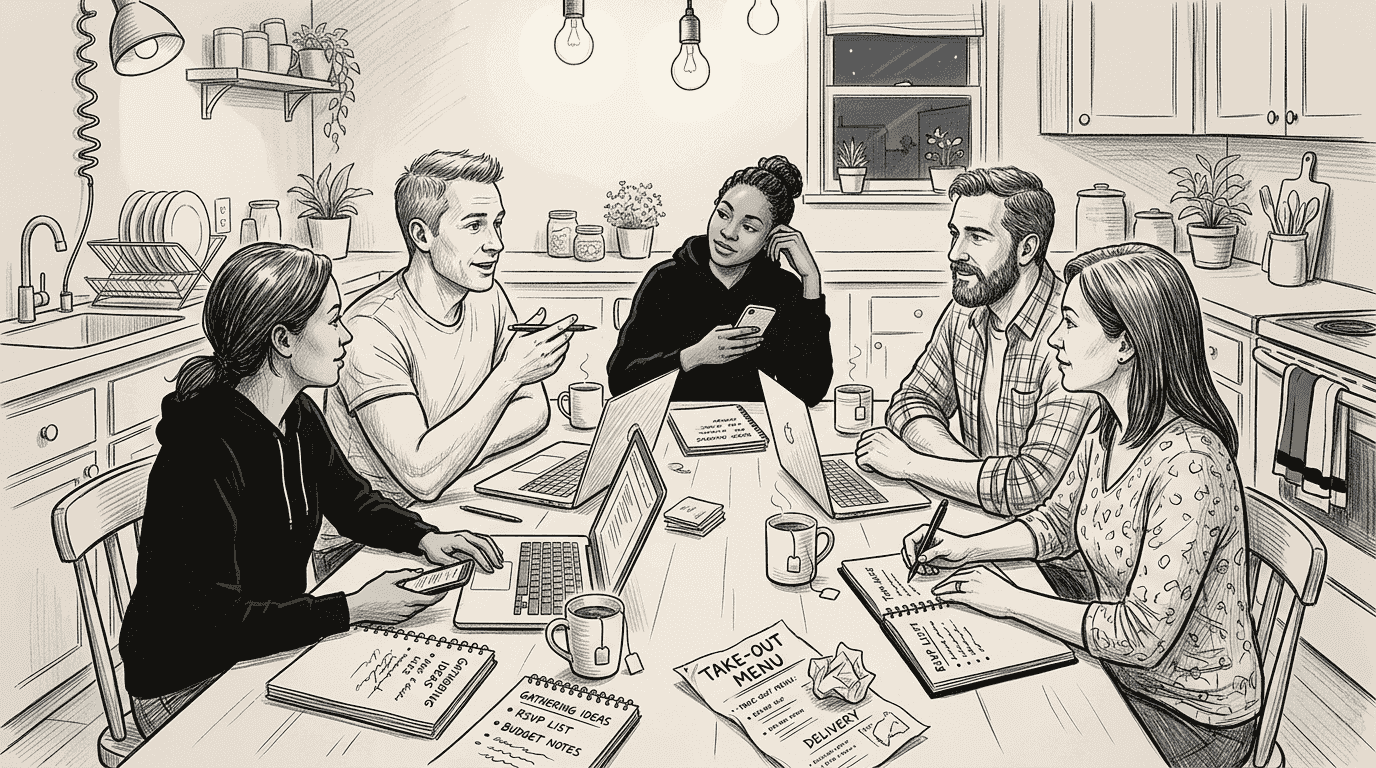
Why relaxed group planning boosts event success in 2026
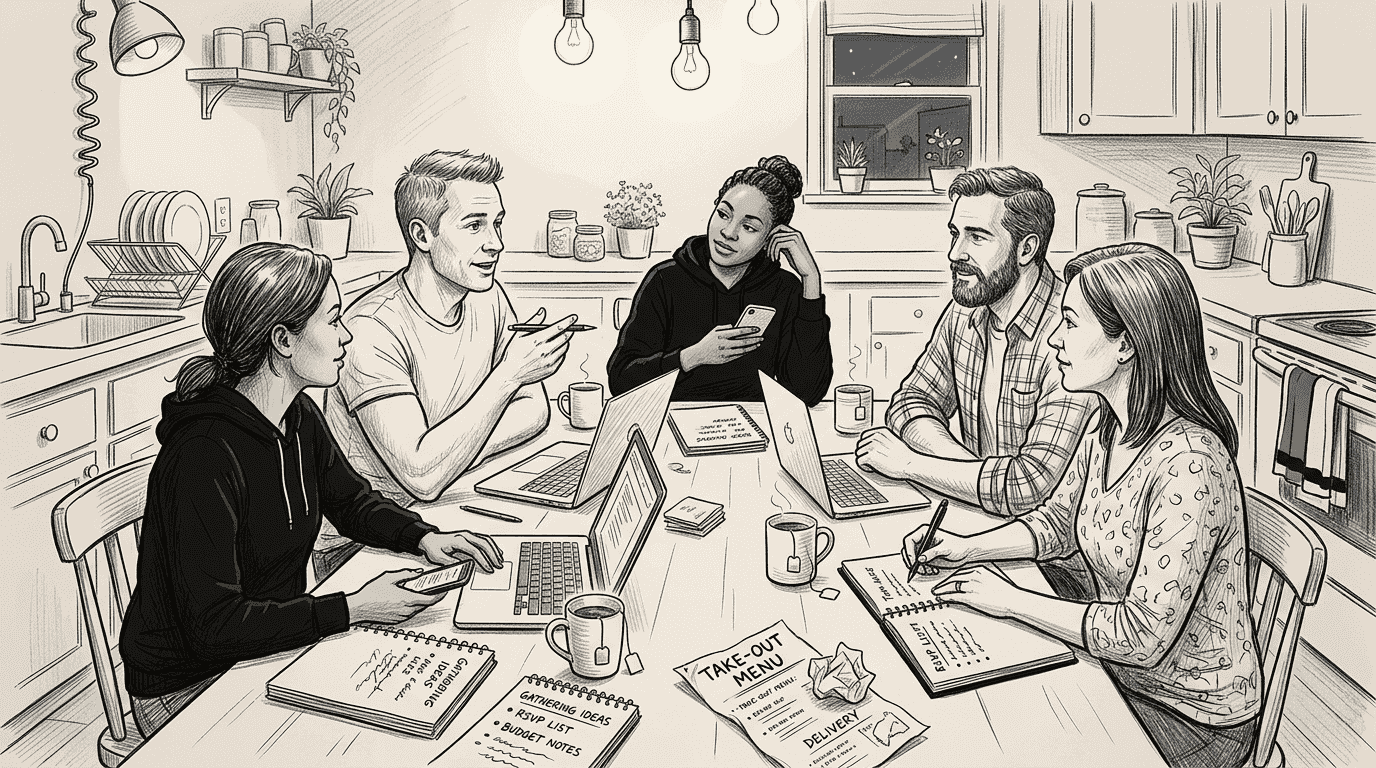
You've probably been told that detailed, structured planning is the secret to great social events. But strict schedules often backfire, creating pressure that drives friends away instead of bringing them together. Research shows relaxed group planning increases attendance by reducing social anxiety and making participation feel natural rather than forced. This guide reveals why flexible approaches lead to better gatherings and how to implement them for your friend group.
Table of Contents
- Why Strict Planning Can Backfire In Group Settings
- The Benefits Of Keeping Group Planning Relaxed And Flexible
- Using Technology To Streamline Relaxed Group Planning
- Common Challenges And Expert Tips To Keep Group Planning Stress-Free
- Putting Relaxed Group Planning Into Practice
- Discover Tools To Simplify Your Relaxed Group Planning
Key takeaways
| Point | Details |
|---|---|
| Rigid planning creates stress | Strict schedules increase pressure and reduce attendance by triggering social anxiety. |
| Flexibility boosts participation | Relaxed approaches increase event attendance by 20-30% through reduced stress. |
| Technology simplifies coordination | Digital tools cut planning time by 30% while maintaining a casual vibe. |
| Shared responsibility prevents burnout | Rotating planning roles keeps the process fun and sustainable. |
| Spontaneity strengthens bonds | Unplanned moments create memorable experiences and deeper friendships. |
Why strict planning can backfire in group settings
Most people assume that detailed itineraries and rigid schedules produce the best social events. The opposite is often true. When planning becomes too structured, it triggers anxiety that makes people hesitate to commit.
Relaxed group planning increases attendance by creating psychological safety. Overly formal invitations with locked-in times and activities make participation feel like an obligation rather than an opportunity. Friends start calculating whether they can meet every requirement instead of simply looking forward to hanging out.
The pressure intensifies when one person handles all coordination. That designated planner faces mounting stress as they chase RSVPs, manage details, and worry about disappointing the group. Meanwhile, other members feel guilty about not helping or anxious about meeting expectations they didn't help set.
Common problems with rigid planning include:
- Increased no-show rates when participants feel overwhelmed by commitments
- Planner burnout from shouldering the entire organizational burden
- Reduced spontaneity that kills the natural flow of friendship
- Social anxiety triggered by perceived judgment for schedule conflicts
Studies reveal that casual, flexible planning raises attendance by 20 to 30 percent compared to structured approaches. The difference comes down to how invitations feel. A relaxed "Hey, want to grab dinner sometime this week?" gets more positive responses than "Dinner reservation for 6:00 PM sharp on Thursday."
"The most successful social gatherings happen when participants feel they have genuine choice rather than rigid obligation."
This doesn't mean abandoning all structure. It means recognizing that small group planning benefits from maintaining flexibility at key decision points. You can have a loose framework while leaving room for the group's natural preferences to emerge.
The benefits of keeping group planning relaxed and flexible
Flexible planning transforms social coordination from a chore into an enjoyable process. When you remove artificial pressure, participation becomes natural and stress levels drop across the entire group.
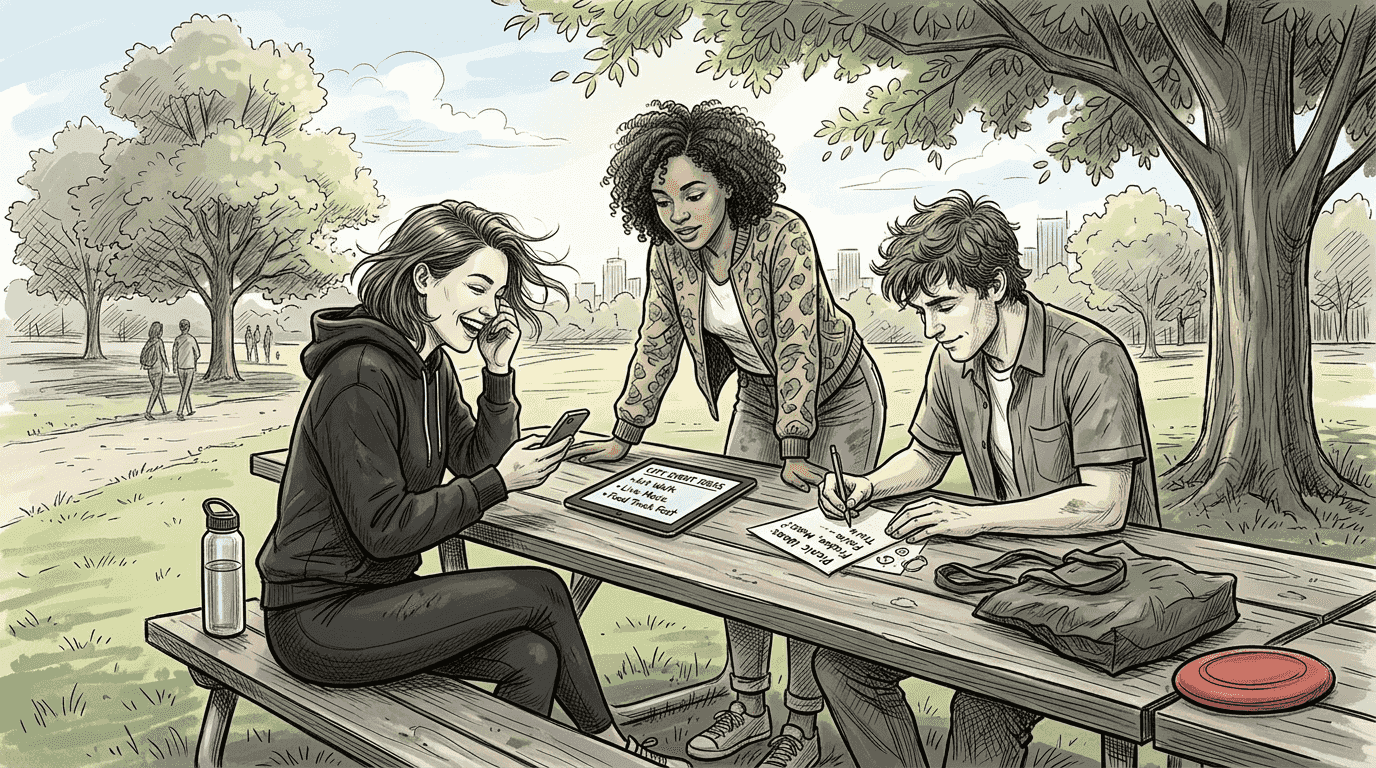
The science backs this up. Relaxed planning reduces anxiety by giving people control over their commitments. Instead of forcing attendance, you create conditions where friends genuinely want to join. This shift in psychology makes all the difference.
Research shows spontaneity improves happiness and strengthens social bonds. Happier individuals generate more spontaneous thoughts about friends and prioritize relationships over rigid schedules. When your planning approach allows for last-minute additions or changes, you tap into this natural desire for authentic connection.
Key advantages of flexible planning:
- Higher participation rates as friends feel less pressured to commit
- Reduced planner stress through shared responsibility
- Increased spontaneity that creates memorable moments
- Better accommodation of varying schedules and preferences
- Stronger group cohesion from collaborative decision-making
Sharing the planning load prevents burnout while making everyone feel invested. When multiple people contribute ideas and handle logistics, no single person carries the weight. This distribution of effort keeps the process sustainable over time.
Participants also report feeling more valued when their input shapes plans. A group that asks "What works for everyone?" sends a different message than one that announces "Here's what we're doing." The former approach builds inclusive community while the latter can breed resentment.
Pro Tip: Set up a shared space where anyone can suggest ideas or flag potential conflicts without formal commitment. This keeps options visible while maintaining low pressure.
The small group planning benefits multiply when you prioritize flexibility. Groups report stronger friendships, higher satisfaction with gatherings, and more consistent participation over months and years. The secret lies in matching your planning style to how friendships naturally function.
Using technology to streamline relaxed group planning
Digital tools solve the coordination challenge without adding stress. The right apps make scheduling transparent and collaborative while preserving the casual vibe your group needs.
Shared calendars keep everyone updated effortlessly. Instead of endless text chains asking "Can you make it?", members check availability at their convenience. This asynchronous approach respects different schedules and reduces the pressure to respond immediately.
Messaging apps designed for group coordination simplify communication. Features like polls, availability indicators, and threaded conversations organize information without formal structure. Your group can discuss options, vote on preferences, and finalize plans within a single, accessible platform.
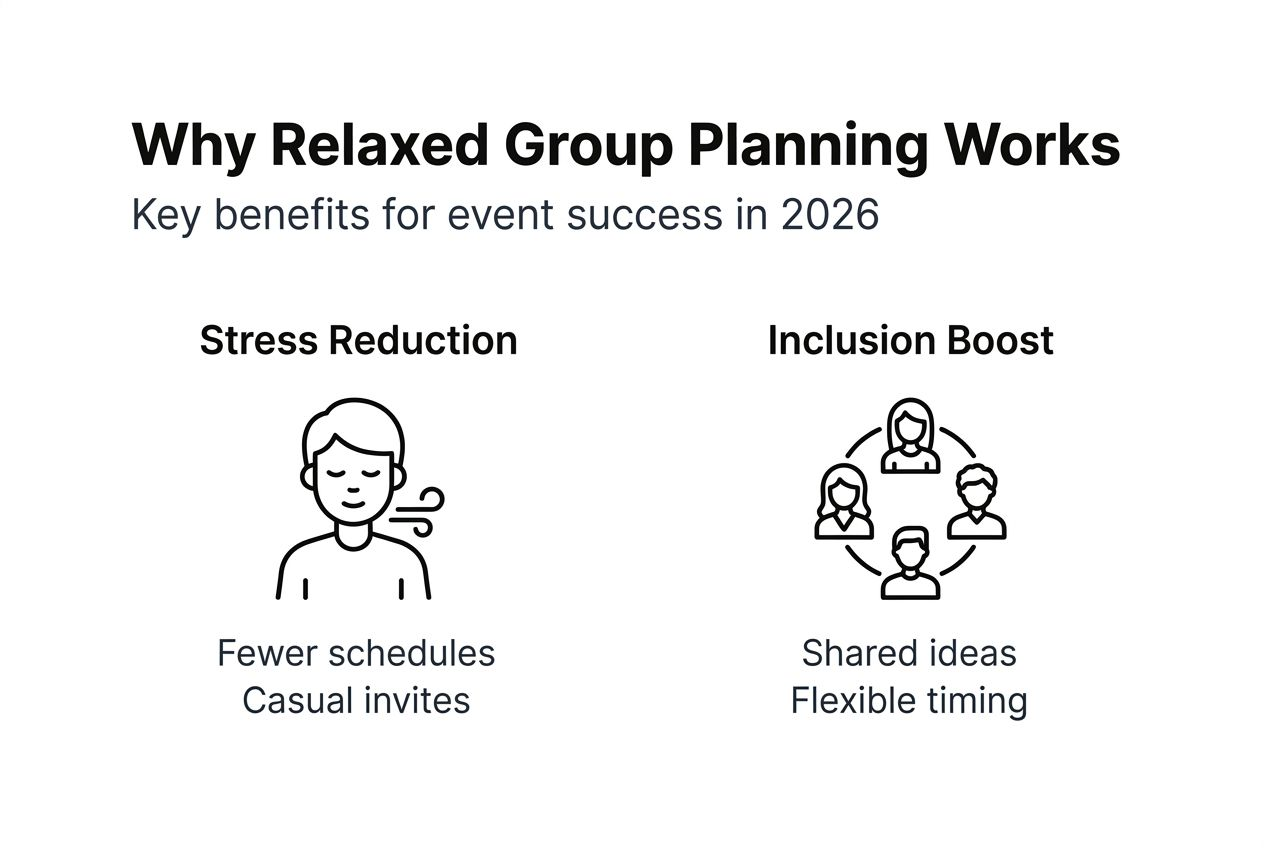
Research demonstrates that collaborative tools reduce planning time by about 30 percent while increasing event responsiveness by 20 percent. This efficiency gain comes from centralizing communication and automating routine coordination tasks.
Popular planning tools comparison:
| Tool Type | Key Features | Best For | Ease of Use |
|---|---|---|---|
| Shared calendars | Availability viewing, event creation | Ongoing coordination | High |
| Messaging apps | Polls, threads, notifications | Quick decisions | Very high |
| Scheduling platforms | Automatic conflict detection | Complex timing | Medium |
| Collaborative docs | Idea collection, preference tracking | Trip planning | Medium |
The most effective approach combines multiple tools based on your group's existing habits. If everyone already uses a particular messaging app, build from there rather than forcing adoption of new platforms.
Pro Tip: Choose tools your group already uses daily to minimize friction and maximize participation.
Integration matters more than features. A simple tool everyone actually uses beats a sophisticated platform that requires training. The goal is reducing coordination overhead, not adding complexity.
Modern Doodle alternative scheduling tools focus specifically on making group coordination feel effortless. They surface conflicts automatically, suggest optimal times, and let participants respond with a single tap. This streamlined experience maintains the relaxed atmosphere while handling logistics efficiently.
Implementing best practices for social groups means selecting technology that serves your coordination needs without dominating the social experience. The best tools become invisible, handling details in the background while your group focuses on actually spending time together.
When group chats streamline planning, the entire process feels more natural. Conversations flow from casual discussion to concrete plans without jarring transitions or formal announcements.
Common challenges and expert tips to keep group planning stress-free
Even relaxed planning faces obstacles. Recognizing common pitfalls helps you maintain a smooth, inclusive process that keeps everyone engaged.
Dominant planners create imbalance. When one person consistently drives decisions, others disengage and resentment builds. Failing to establish clear processes and allowing domination rank among the top planning mistakes.
Misaligned expectations cause friction. Without discussing basics like budget, timing preferences, or activity types upfront, groups discover conflicts too late to adjust smoothly. Data shows clear vision alignment prevents conflicts in 90 percent of cases.
Strategies to maintain stress-free planning:
- Rotate who initiates plans to distribute leadership naturally
- Discuss budget and timing constraints before suggesting specific activities
- Create space for everyone to voice preferences without judgment
- Check in regularly but casually to gauge interest and adjust plans
- Acknowledge different comfort levels with spontaneity versus structure
Social anxiety complicates participation for some members. People who struggle with group dynamics may want to join but feel paralyzed by decision-making pressure. Offering multiple response options and emphasizing that all choices are genuinely acceptable helps anxious participants engage.
Setting shared goals at the start prevents confusion. A quick conversation about what everyone hopes to get from the gathering creates alignment without rigidity. "Relaxed weekend hangout" sets different expectations than "celebrate Sarah's promotion," and clarity helps everyone contribute appropriately.
Pro Tip: Solicit feedback after events to learn what worked and what created unnecessary stress, then adjust your approach accordingly.
"The healthiest group dynamics emerge when every member feels their preferences matter and no single voice dominates the planning process."
Implementing best practices for social groups means building systems that naturally prevent common problems. When your coordination approach distributes power, accommodates preferences, and maintains transparency, most challenges resolve before they escalate.
Putting relaxed group planning into practice
Transforming theory into action requires concrete steps. These strategies help you implement flexible planning that actually works for your friend group.
- Start with open invitations and flexible dates. Propose a general timeframe rather than a specific day, letting availability shape the final decision.
- Rotate planning roles to share responsibility. Track who initiated recent plans and actively encourage others to take the lead.
- Use apps to coordinate without pressure. Let technology handle logistics while keeping human interaction focused on preferences and excitement.
- Embrace spontaneity for memorable moments. Leave room in your schedule for last-minute additions or changes when energy is high.
- Maintain connection through regular gentle check-ins. Casual "How's everyone doing?" messages keep the group engaged between major events.
The rotation strategy deserves special attention. Planners exhibit heightened awareness of relationship maintenance and actively organize to sustain connections. While this dedication is valuable, concentrating it in one person creates unsustainable pressure.
Instead, frame planning as a shared practice everyone contributes to over time. This might mean formally rotating who suggests the next activity or simply encouraging quieter members to propose ideas when inspiration strikes.
Balancing structure with flexibility requires calibration. Some groups thrive on near-total spontaneity while others need more framework. Pay attention to what generates enthusiasm versus what creates stress, then adjust accordingly.
Pro Tip: Balance scheduled plans with last-minute options for best engagement. Having one anchor event per month with room for spontaneous additions works well for many groups.
Implementing best practices for social groups creates sustainable patterns that strengthen friendships over time. Your coordination approach should feel natural rather than forced, supporting connection instead of creating obligation.
Start small by loosening constraints on your next gathering. Propose options rather than fixed plans. Invite input instead of announcing decisions. Notice how participation and enthusiasm shift when people feel genuine agency in shaping social time together.
Discover tools to simplify your relaxed group planning
Transforming your coordination approach becomes easier with the right support. Groop Labs offers digital tools specifically designed to streamline group planning while maintaining the casual vibe your friend group values.
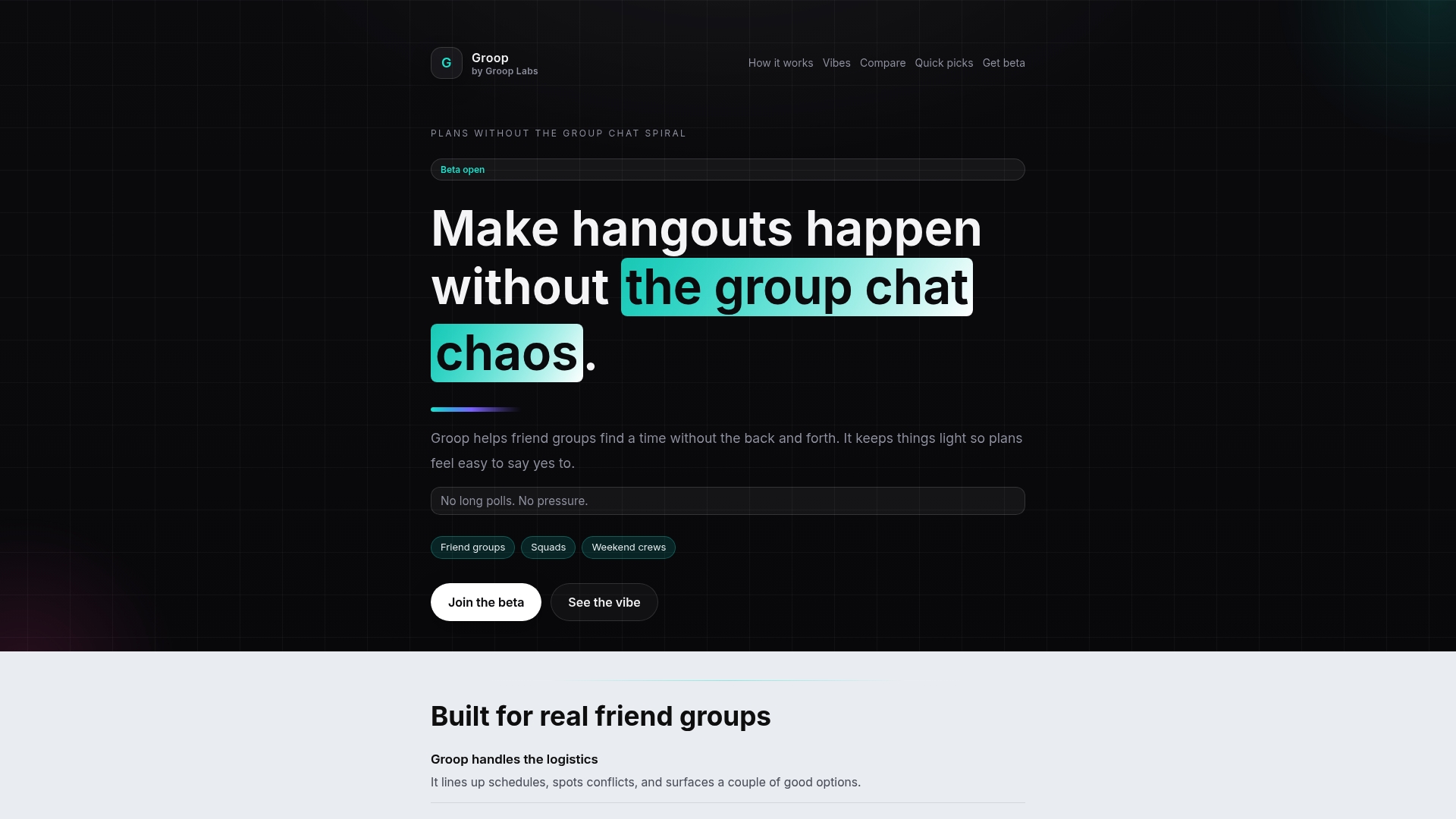
The platform combines shared availability viewing, simple decision-making, and integrated messaging to eliminate coordination chaos. Instead of juggling multiple apps and endless text chains, your group handles everything in one intuitive space.
Young adults seeking stress-free social organizing trust Groop Labs to simplify event coordination without adding pressure. The interface focuses on surfacing conflicts and presenting clear options, letting your group make decisions quickly and move on to actually enjoying time together.
Experience easier planning and more spontaneous fun by implementing best practices for social groups through tools built specifically for casual coordination. Cut your group planning time by up to 40 percent while increasing participation and satisfaction.
FAQ
How can I encourage friends to participate in relaxed planning?
Create openness by explicitly stating that all preferences matter equally and there are no wrong answers. Use digital tools that make responding easy with simple taps rather than lengthy messages. Keep the vibe casual by avoiding language that sounds like formal invitations or obligations.
What if one person always ends up doing the planning?
Rotate planning roles intentionally to prevent burnout from the default organizer. Have an explicit conversation about sharing responsibilities and acknowledge that the current pattern isn't sustainable. Make planning feel fun and collaborative rather than a solo burden by celebrating when different people take initiative.
How do digital tools help keep planning relaxed?
Shared calendars and messaging platforms make scheduling visible and adjustable without creating pressure. Collaborative tools reduce planning time by 30 percent and increase responsiveness, letting people engage when convenient rather than demanding immediate replies. Technology handles logistics in the background while keeping human interaction focused on excitement and connection.
Can spontaneous plans really reduce stress and improve friendships?
Absolutely. Research confirms spontaneity fosters stronger bonds by creating authentic moments that rigid schedules can't replicate. Unplanned interactions feel less pressured and more genuine, reducing social anxiety while increasing happiness. Balancing structure with free-flowing opportunities gives you the best of both worlds: enough coordination to actually meet up, with room for natural connection to flourish.