
Articles
8 Free Alternatives to Doodle for Effortless Scheduling 2026
Discover 8 free alternatives to Doodle for effortless scheduling in 2026 Find user friendly tools that make group planning easier and help us stay connected
We all know the feeling—trying to get friends or colleagues together, only for the group chat to spiral into endless messages and indecision. It’s easy for plans to stall or feel stressful when everyone’s juggling busy lives.
For years, Doodle has been the go-to for sorting out schedules. But as our needs change in 2026, it’s clear that no single tool fits every group or vibe.
That’s why we’re sharing 8 free alternatives to doodle that make planning feel lighter, more natural, and far less of a chore. You’ll find options for every kind of group, with features that help everyone feel included—no pressure, just easy coordination.
Why Consider Free Doodle Alternatives in 2026?
The Changing Nature of Scheduling Needs
The way we organise our lives has changed a lot, especially for group plans. In 2026, groups are often juggling different platforms, busy calendars, and a real desire to keep things simple. We want less hassle, not more.
As digital fatigue grows, more people want to escape endless group chats or message threads just to pin down a plan. There’s a rising expectation that scheduling should respect privacy and feel easy, not like another task. That’s why so many are looking for free alternatives to doodle that fit into real life, supporting the flexible, no-pressure planning we crave.
It’s not just work teams who need this. From casual friend meetups to club activities, everyone’s looking for a tool that feels natural and lets indecision be part of the process.
Doodle’s Limitations: Where It Falls Short
Doodle has been a classic scheduling tool, but it can feel a bit rigid these days. Its polling system is handy, but it sometimes misses the social nuances that make plans feel relaxed rather than forced.
Many users find the lack of customisation and limited integrations frustrating. There’s also the sense that Doodle’s approach can feel transactional, as if everyone’s just ticking boxes instead of actually coming together. Some feedback points to a need for more inclusive, privacy-friendly options that don’t make anyone feel left out or under pressure.
If you want to dig deeper into these issues, Doodle's Limitations in 2024 gives a useful overview of where Doodle might not fit every group’s needs. This is a big reason why free alternatives to doodle are getting so much attention.
What to Look for in a Modern Scheduling Tool
When searching for free alternatives to doodle, it helps to focus on how a tool feels to use, not just what it does. Intuitive design makes a huge difference. Look for tools that let everyone join in equally, keep planning light, and don’t demand instant answers.
Privacy matters too, especially for friend groups or volunteer teams who want to avoid oversharing. Some tools are better for spontaneous meetups, while others shine for remote work or recurring events. The best fit is one that matches your group’s style—whether that means easy polls, gentle suggestions, or just a way to keep options open until everyone’s ready.
Choosing the right tool is about keeping things simple and letting plans come together in their own time.
8 Free Alternatives to Doodle for Effortless Scheduling
Finding the right scheduling tool can make group plans feel lighter, not heavier. There’s no one-size-fits-all, so we’ve handpicked eight free alternatives to doodle that each bring their own gentle, user-friendly twist to planning together. Whether you’re sorting out brunch with friends, syncing a remote team, or just want to avoid endless “when are you free?” messages, these options help coordination feel more like a breeze.
Groop
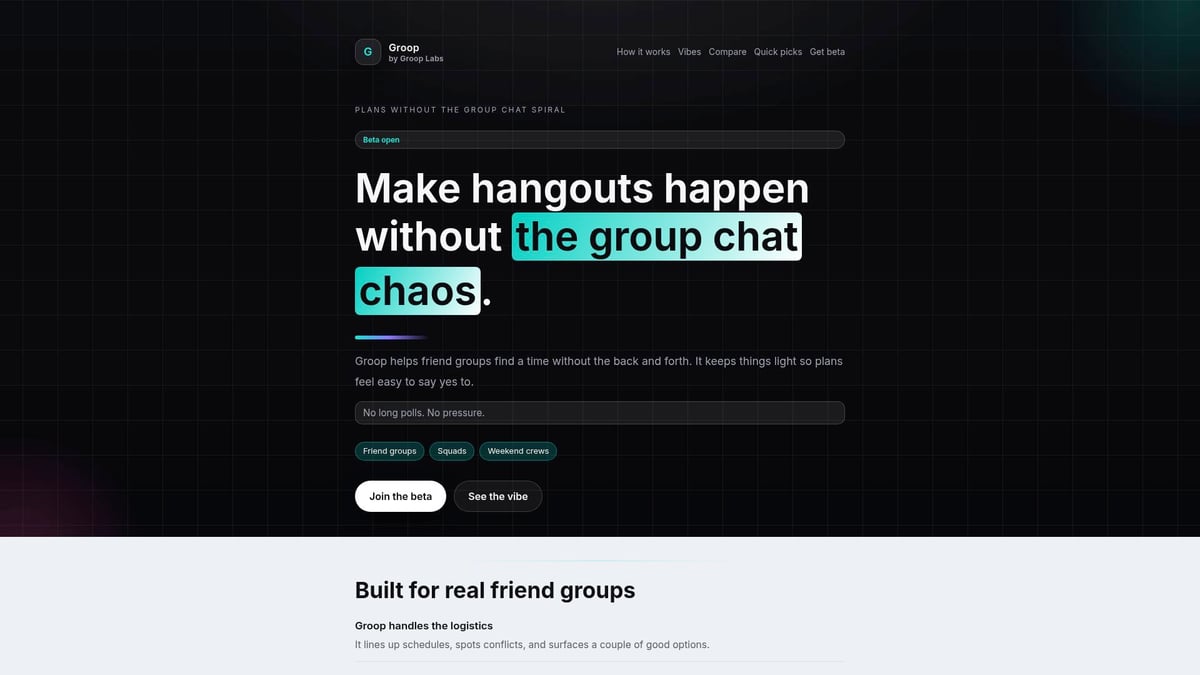
Groop sets itself apart among free alternatives to doodle with a privacy-first, no-pressure approach. Instead of endless chats or forced decisions, Groop surfaces clear times that work for everyone and lets the group gently find consensus, without anyone needing to play organiser.
Core features:
- Automated schedule alignment for groups
- Clear, visual suggestions for everyone
- Respects privacy and avoids data overload
- No-pressure, open-ended planning
Unique benefits:
- Keeps group chats calm and focused
- Ideal for those who feel overwhelmed by constant notifications
- Supports indecision and lets plans evolve naturally
Best for: Friend groups, students, informal circles, anyone tired of “Who’s free?” loops.
Pros:
- Easy, equal input from all
- No one has to lead
- Suggestions are always gentle
Cons:
- Still in open beta
- Focused on social use cases
Pricing: Free (open beta)
Example: A weekend crew uses Groop to pick a brunch time, letting everyone see options without pressure. If you want more ideas for making group plans easier, check out these Planning group hangouts with friends.
When2meet
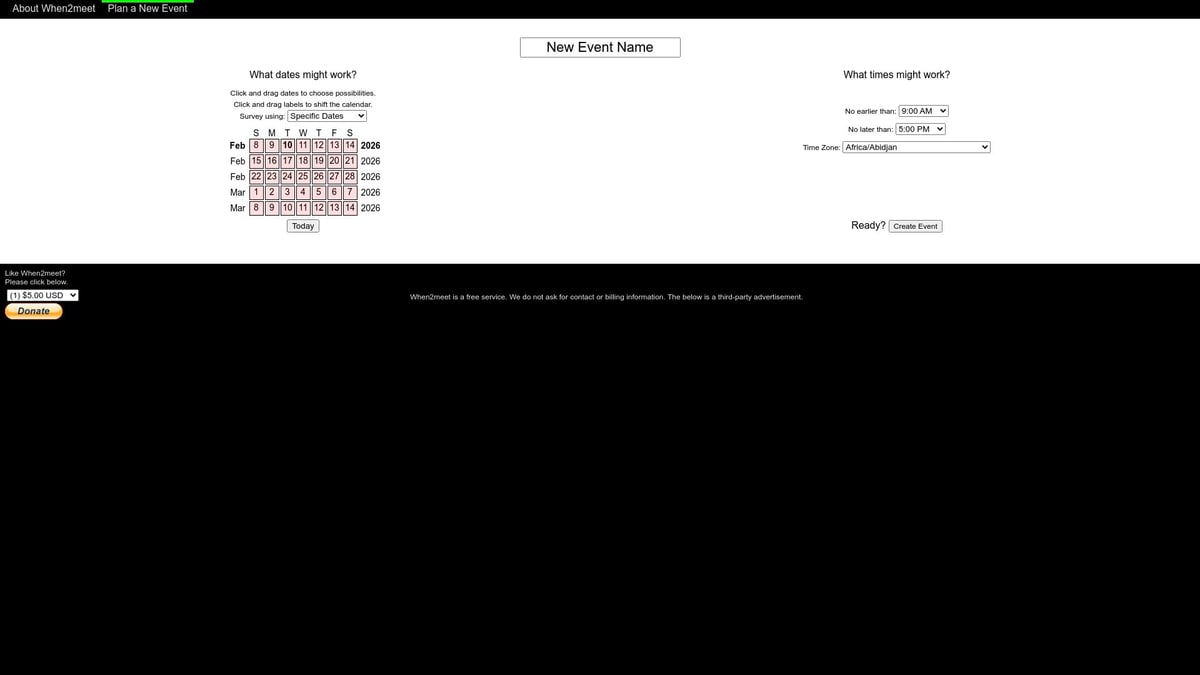
When2meet is one of the simplest free alternatives to doodle. There’s no sign-up or app to download—just share a link, and everyone marks when they’re available. You see group overlap instantly, making it perfect for spontaneous meetups or quick decisions.
Core features:
- Group availability polls
- No login or signup needed
- Visual, real-time feedback
Unique benefits:
- Ultra-fast setup
- No barriers for new users
Best for: Study groups, hobby circles, anyone wanting fast, frictionless scheduling.
Pros:
- 100% free
- No accounts or emails required
- Minimal data
Cons:
- Basic interface
- No reminders or event management features
Pricing: Free
Example: A uni project group finds the best study slot in seconds, all with a single shared link. For those seeking free alternatives to doodle, When2meet is as simple as it gets.
Calendly
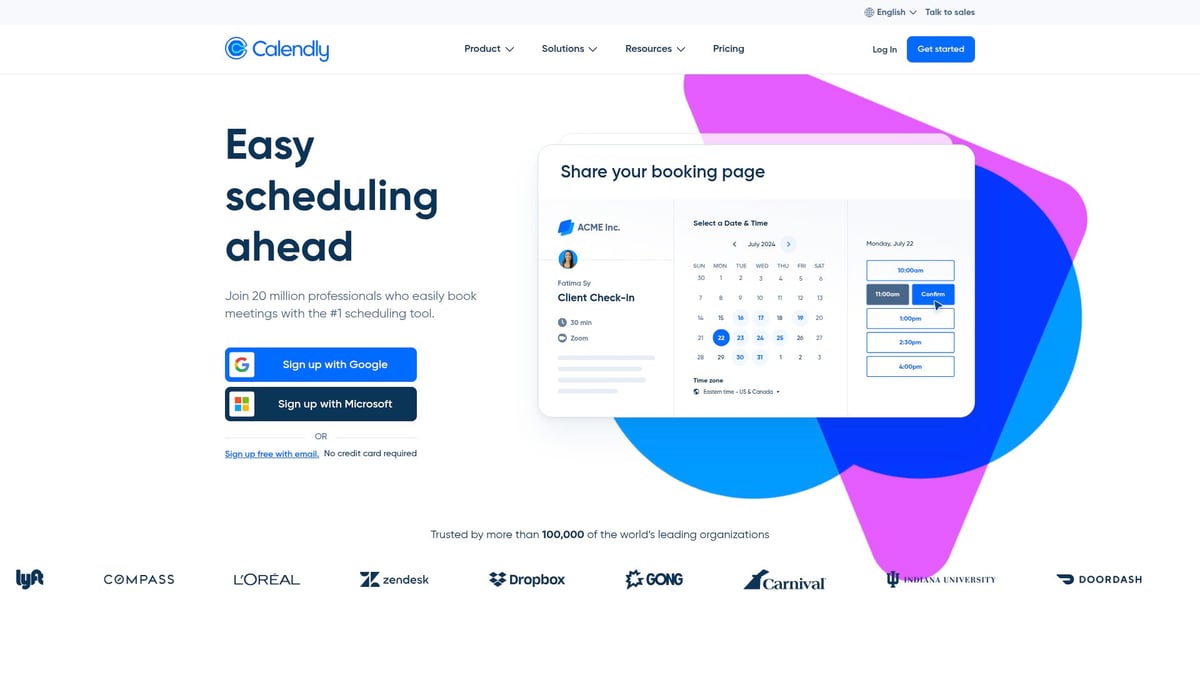
Calendly makes scheduling feel seamless for both individuals and groups. It’s one of the most popular free alternatives to doodle for professionals, offering automated booking, calendar sync, and time zone detection.
Core features:
- Automated scheduling
- Google and Outlook integration
- Group and 1:1 meeting options
Unique benefits:
- Handles time zones automatically
- Reduces email back-and-forth
Best for: Freelancers, remote teams, professionals, or anyone who wants a polished, reliable booking tool.
Pros:
- User-friendly setup
- Strong free tier
- Adaptable for different needs
Cons:
- Free plan only supports one event type
- Custom branding needs a paid plan
Pricing: Free plan; paid from $10/month
Example: A distributed team uses Calendly to set up recurring check-ins, removing confusion and making free alternatives to doodle feel professional yet personal.
Rallly
Rallly is a privacy-focused, open-source scheduling tool that keeps things simple. As one of the free alternatives to doodle, it’s perfect for groups that value transparency and want to avoid sharing personal data.
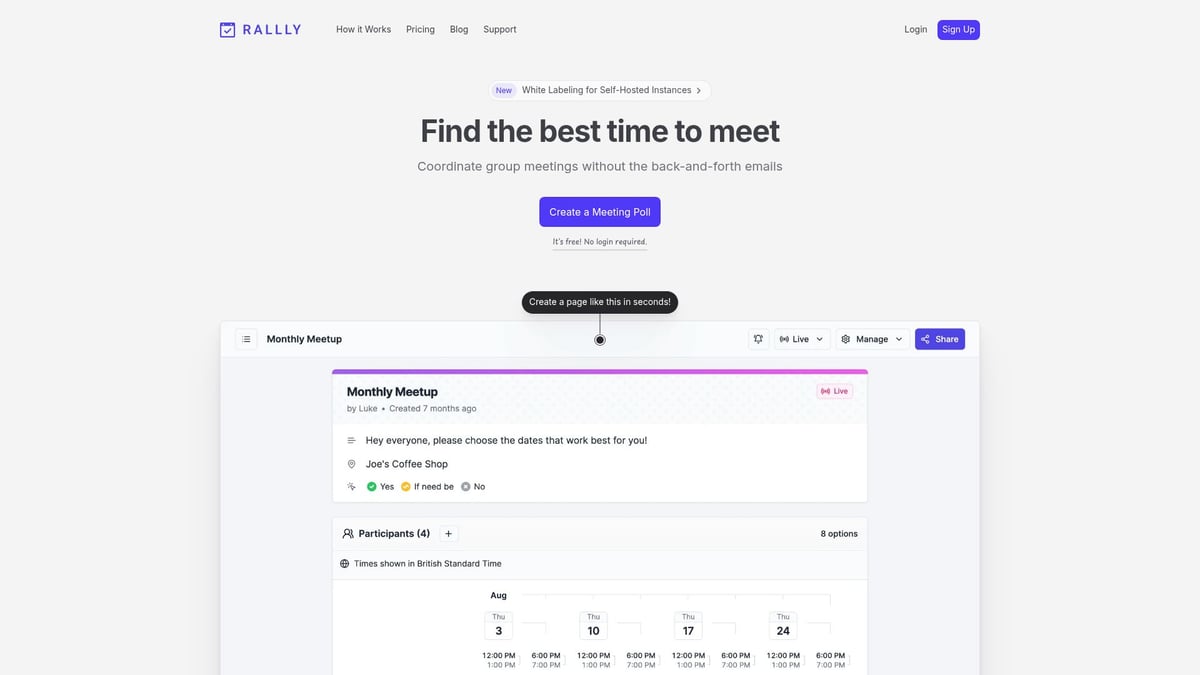
Core features:
- Open-source group polls
- No sign-up needed
- Straightforward interface
Unique benefits:
- No data harvesting
- Anonymous voting
Best for: Clubs, privacy-conscious users, educators, informal groups.
Pros:
- 100% free and open-source
- Easy for all ages
Cons:
- No advanced features
- Lacks integrations or reminders
Pricing: Free
Example: A book club picks their next meeting date with Rallly. Everyone votes anonymously, making it one of the most respectful free alternatives to doodle.
YouCanBookMe
YouCanBookMe stands out among free alternatives to doodle for its flexible booking pages, calendar sync, and automated reminders. It’s great for individuals or teams who need to streamline appointments or group sessions.

Core features:
- Custom booking pages
- Calendar and video call integration
- Automated reminders
Unique benefits:
- Supports pooled and round-robin availability
- Custom notifications
Best for: Freelancers, tutors, small teams, educators.
Pros:
- Intuitive setup
- Free plan with solid features
Cons:
- Some functions limited to paid plans
- Interface is practical, less stylish
Pricing: Free plan; paid from $10/month
Example: A tutoring group lets students book sessions directly, reducing admin work and making free alternatives to doodle feel empowering for both sides.
Google Calendar
Google Calendar is one of the most universal free alternatives to doodle, thanks to its deep integration with Gmail and Meet. It’s great for families, schools, or anyone with a Google account who wants a low-fuss way to coordinate.
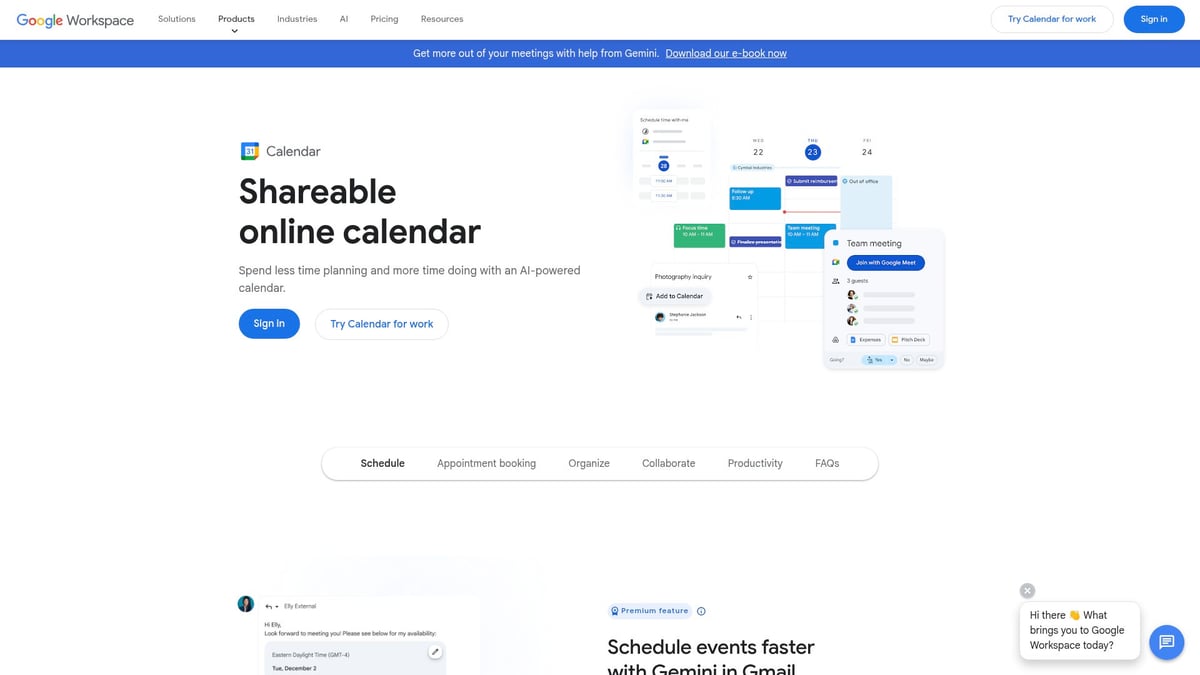
Core features:
- Appointment slots and event invites
- Recurring meetings
- Cross-device compatibility
Unique benefits:
- Instant notifications
- Universal access
Best for: Families, informal teams, schools.
Pros:
- Completely free
- Easy sharing within Google ecosystem
Cons:
- Limited group polling
- More basic than purpose-built scheduling apps
Pricing: Free
Example: A family shares a Google Calendar to coordinate weekly dinners, enjoying one of the most accessible free alternatives to doodle.
SimplyBook.me
SimplyBook.me brings a business-friendly edge to free alternatives to doodle, with custom booking pages, reminders, and payment integration. It’s flexible enough for personal trainers, clinics, and independent professionals.
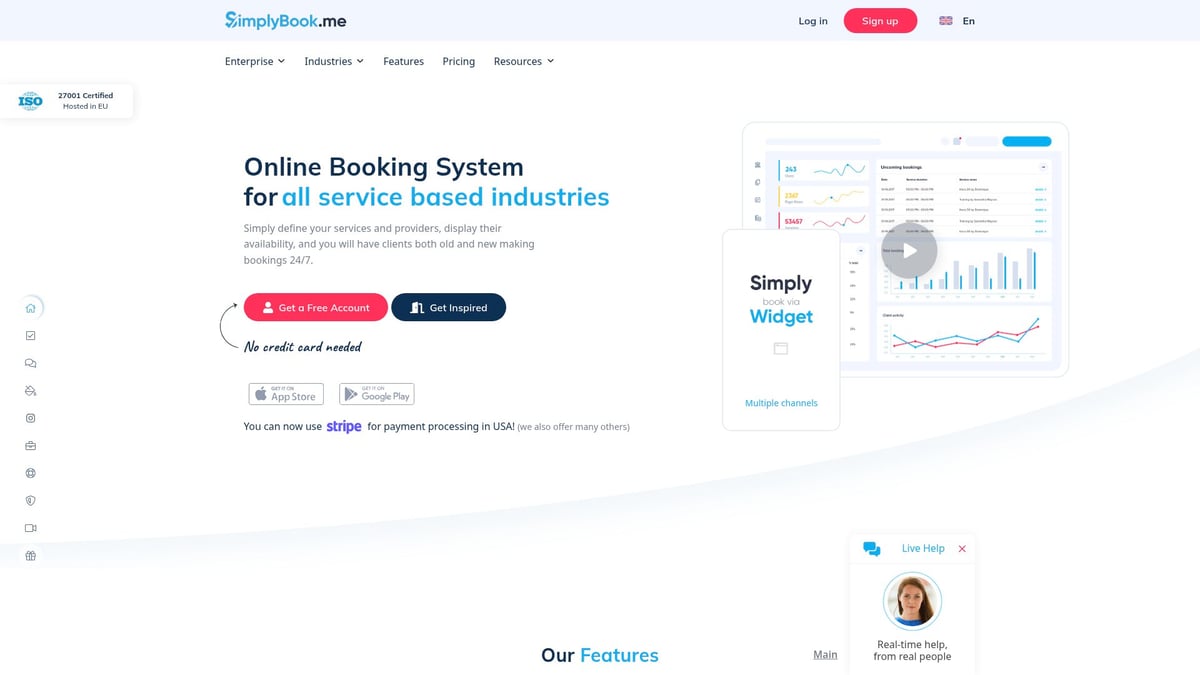
Core features:
- Customisable booking pages
- Payment support
- Calendar sync
Unique benefits:
- Supports both individuals and small businesses
- Integrates bookings and payments
Best for: Small businesses, clinics, freelancers, trainers.
Pros:
- Free plan available
- Flexible customisation
Cons:
- Booking limits on free plan
- Interface feels business-first
Pricing: Free plan; paid options for more features
Example: A fitness instructor lets clients reserve class slots online, using one of the most adaptable free alternatives to doodle for service booking.
Acuity Scheduling
Acuity Scheduling is designed for coaches, consultants, and wellness professionals who want to offer clients self-serve booking and payment options. Among free alternatives to doodle, Acuity is robust, though its free trial is time-limited.
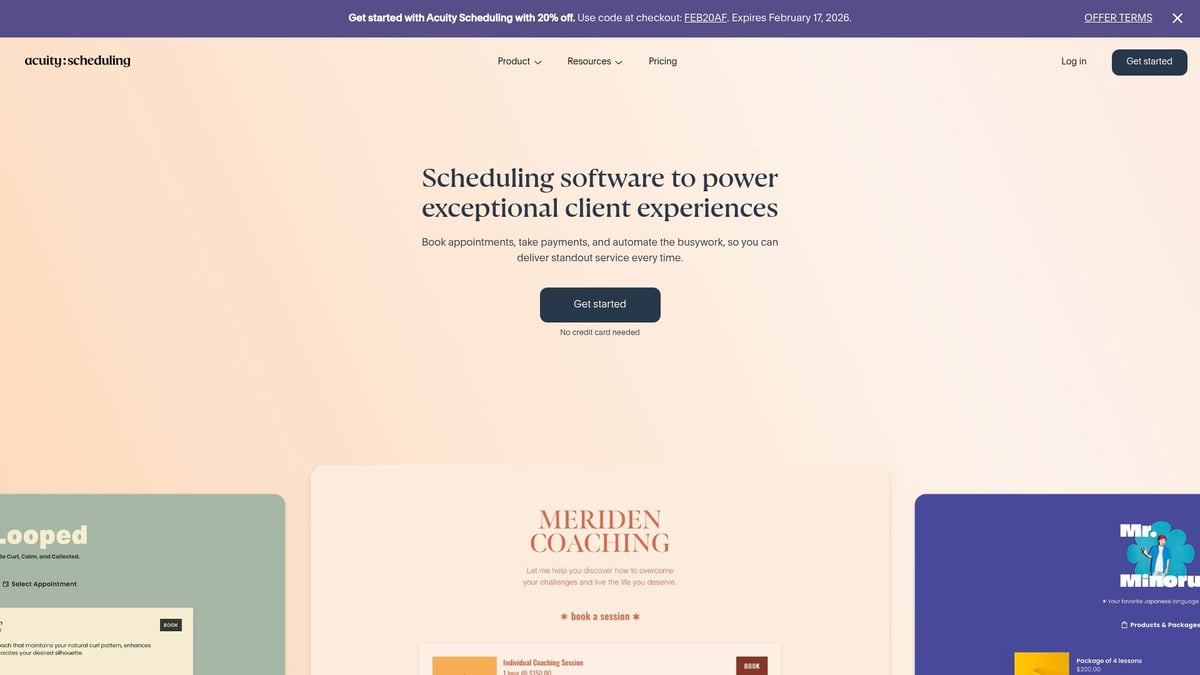
Core features:
- Appointment types and payment collection
- Branded booking pages
- Automated reminders
Unique benefits:
- Strong for service providers
- Supports group and recurring appointments
Best for: Coaches, therapists, small business owners.
Pros:
- Easy, professional setup
- Custom branding
Cons:
- Ongoing use requires upgrade
- Advanced features gated
Pricing: Free trial, paid from $20/month
Example: A therapist enables clients to book and pay for sessions directly, experiencing one of the more business-focused free alternatives to doodle.
How to Choose the Right Scheduling Tool for Your Group or Team
Choosing the right tool for your group can feel a bit like picking the perfect spot for a picnic. There are lots of free alternatives to doodle, but the best fit depends on your group’s size, how often you meet, and how everyone likes to chat and plan. Start by thinking about what feels easy and natural for everyone involved.
When exploring free alternatives to doodle, consider how much structure your group needs. Some love the simplicity of quick polls, while others prefer tools with reminders or calendar sync. Privacy matters too—especially if not everyone wants to share their full schedule. For more options, you can check out this Top Doodle Alternatives in 2026 comparison.
Think about your group’s vibe. Is it more relaxed, with lots of “we’ll figure it out” moments? Or do you need something more organised for regular meetings? Sometimes, the simplest tool is all you need for casual plans. For more ideas, this step-by-step friend group hangout guide shows how easy coordination can be.
Try a few options together, and don’t worry about getting it perfect from the start. Whether you’re planning a family dinner, a volunteer rota, or weekly team catch-ups, the right tool should always make things feel lighter, not heavier.
FAQs About Free Doodle Alternatives for 2026
Curious about how free alternatives to doodle actually work? Here are some of the most common questions we hear from groups looking to make scheduling less of a headache.
Are these tools really free?
Most free alternatives to doodle offer core features without charging, letting you plan group events or meetings at no cost. Some, like When2meet and Rallly, are completely free for everyone. Others have a free tier, with extra options for those who need more. Always check the provider’s site for details before you dive in.
How do privacy and data work with free alternatives to doodle?
Privacy matters more than ever. Many free alternatives to doodle let you schedule without collecting loads of personal info, and some don’t require sign-ups at all. Open source options like Rallly are especially transparent about how your data is handled. If privacy is a top concern, look for tools that keep things simple and avoid tracking.
Do I have to download an app?
Nope. Most of these tools work straight from your browser, so there’s nothing to install. Just share a link, and your group can respond instantly, whether they’re on a phone or a laptop.
What’s the difference between polling, appointment, and hybrid scheduling tools?
Here’s a quick look:
| Type | How it Works | Best for |
|---|---|---|
| Polling | Everyone votes on times | Casual groups, clubs, friend plans |
| Appointment | Choose/book fixed slots | Teams, services, 1:1 meetings |
| Hybrid | Combines both approaches | Clubs, flexible teams, mixed needs |
How do I move my group from Doodle to another platform?
Switching is usually as simple as sharing a new link. Let your group know why you’re trying a new tool, and pick something with a gentle learning curve. Some, like Xoyondo: A Flexible Doodle Alternative, are designed to feel familiar for Doodle users, making the transition smoother.
What if my group is not very tech-savvy?
Choose a tool with minimal setup and no sign-up required. When2meet and Rallly are great for this, with clear interfaces and no accounts needed. A quick demo or a friendly message can help everyone feel comfortable.
How do these tools fit into natural group planning?
The best scheduling tools should blend into your group’s flow, not take over. If you’re used to planning in chat groups, you might enjoy Managing chat groups for planning, which explores ways to keep things light and human, even when using digital tools. It’s all about keeping options open and letting indecision be okay.
Why do groups switch from Doodle, and are people happier?
Many groups look for alternatives because they want less pressure, more privacy, or just a simpler way to coordinate. According to recent feedback, user satisfaction climbs when tools feel more inclusive and less transactional. Sometimes, a lighter touch is all it takes to make planning feel fun again.We all know how tricky it can be to get a group together without endless back and forth in the chat, so finding the right tool really does make life easier. If you’re looking for something that takes the chaos out of making plans and actually feels fun to use, why not try a fresh approach that puts your group first? Groop is all about simple, pressure free scheduling and clear options that work for everyone—no more stress, just smooth coordination. If you’re curious to see how it could help your crew, Join the beta and experience planning that finally feels like a breeze.