
Articles
Meetups Guide 2026: Connecting Communities and Building Networks
Discover how meetups in 2026 bring us together through new trends, easy planning, and inclusive ideas. Join us to build real connections and lasting networks.
Picture this: it’s 2026, and bringing people together feels both more joyful and sometimes trickier than ever. With so much happening online and offline, meetups have become a gentle way for us to find real connection and build our networks.
That’s why this guide is here—to help anyone who wants to make meetups feel easy, friendly, and meaningful, whether you’re hosting or just joining in. We’ll look at what’s new, how to plan with less stress, the best tools, and how to keep things welcoming for everyone. Ready to make meetups lighter and more human in 2026? Let’s get started.
The Evolving Landscape of Meetups in 2026
Imagine a world where people crave real connection, but life feels busier and more online than ever. In 2026, meetups are changing to help us find each other, whether we are neighbours, colleagues, or new friends. From living room gatherings to virtual hangouts, the landscape of meetups has shifted to meet our changing needs.
Shifts in Social Dynamics and Community Needs
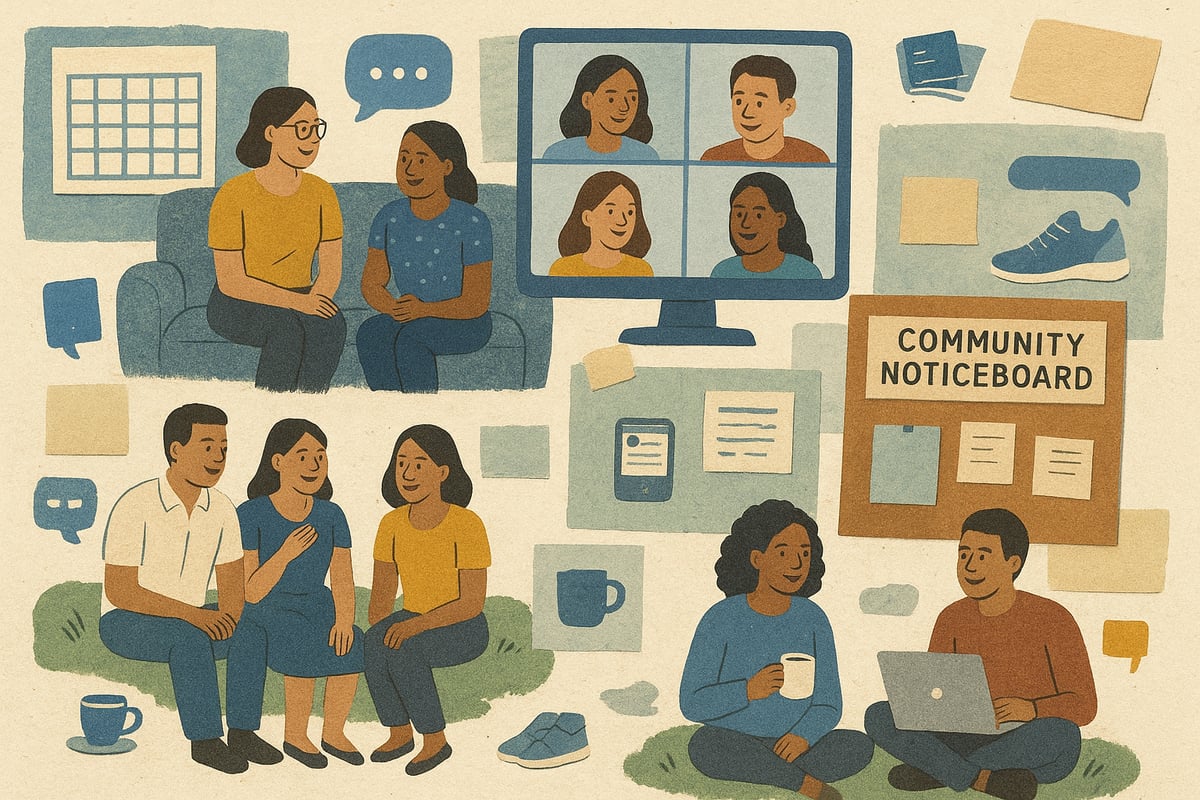
The way we gather has changed a lot over the past few years. With hybrid work and remote lifestyles now common, many of us are feeling both more connected and more isolated. Digital fatigue is real, but so is the desire for meaningful interaction. This is why local, in-person meetups are making a strong comeback, offering a break from screens and a chance to reconnect face to face.
Interestingly, online and offline events now blend together more easily. People can join a book club from their sofa or pop by a neighbourhood coffee morning. According to event industry growth statistics 2025, there has been a noticeable rise in hybrid and virtual events, making meetups accessible to more people. Community group participation has jumped by 30% since 2024, with many drawn to causes or interests that bring a sense of purpose.
At the heart of these changes is a simple truth: meetups are about finding belonging, whether that is through a shared hobby or supporting a local cause.
Types of Meetups: From Socials to Skill-Sharing
Meetups in 2026 come in all shapes and sizes. Some are purely social, like hobby clubs where people swap books, play games, or try out new recipes together. Others focus on professional networking or learning, such as coding nights, co-working sessions, or skill-sharing workshops.
Support circles are growing, too, offering space for everything from parent meetups to wellness walks. Micro-communities and niche interest groups are easier to find, so whether you are into urban gardening or retro gaming, there is likely a meetup for you. Intergenerational and cross-cultural gatherings are also on the rise, helping to bridge gaps and spark new friendships.
These different formats make it easy to dip in and out, try something new, or build a regular routine around your favourite meetups.
Trends and Innovations in Meetup Experiences
The experience of meetups is more flexible than ever. Immersive pop-up events, themed socials, and hybrid workshops are becoming the norm. Many people prefer a relaxed, informal vibe, where dropping in is welcome and there is no pressure to commit. In fact, 60% of attendees now choose informal, drop-in style events, according to the 2025 Meetup Trends Survey.
Real-world examples show this shift in action: spontaneous coffee mornings in local parks, online movie nights with friends from afar, or hybrid creative sessions where people can join however suits them best. The key trend is adaptability, letting meetups fit around real lives and changing needs.
Meetups in 2026 are not about rigid plans or perfect attendance. They are about making space for togetherness, however that looks for each of us.
Step-by-Step: Planning a Successful Meetup
Bringing people together in 2026 should feel easy, not overwhelming. Planning meetups is really about creating space for moments that matter, whether that’s learning something new, sharing a laugh, or just catching up. Let’s look at how to keep things light, inclusive, and genuinely enjoyable for everyone.
Clarifying Purpose and Audience
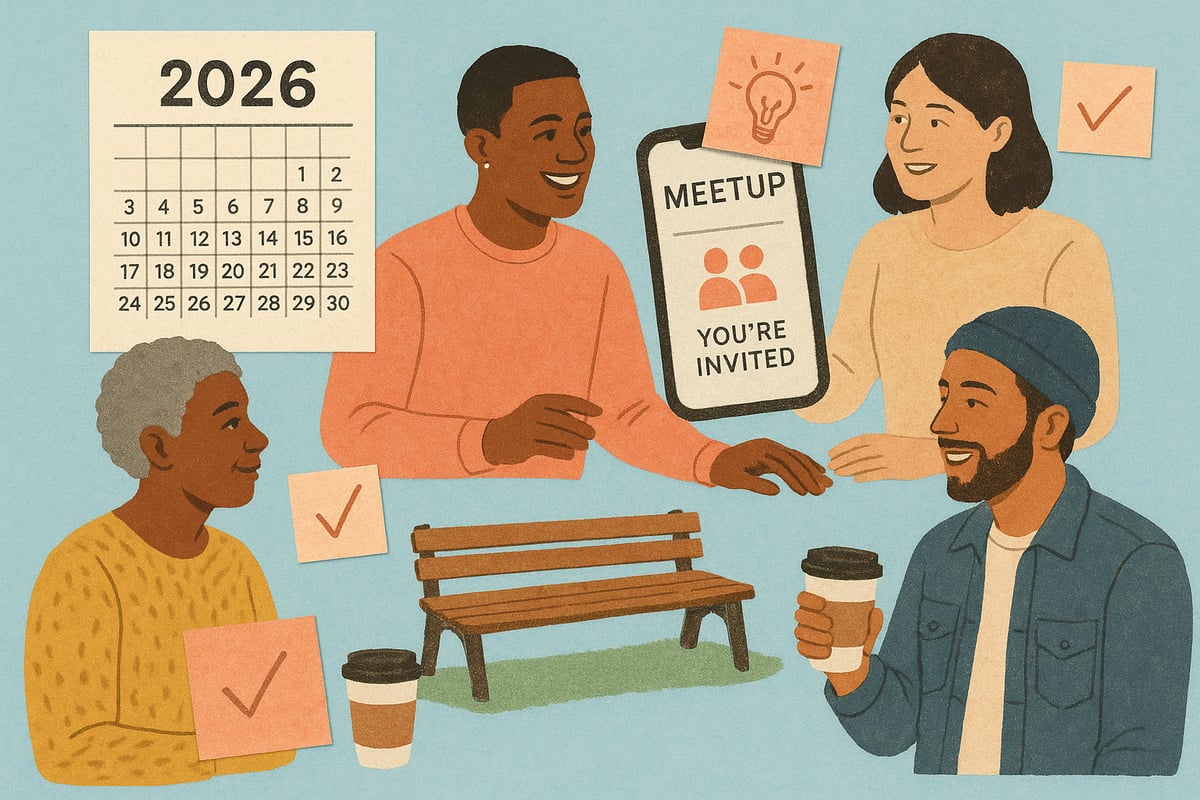
Every great meetup starts with a simple “why.” Are you hoping to share a hobby, offer support, or just have a bit of fun? Start by thinking about what feels meaningful for you and the people you want to invite.
It helps to keep the vibe relaxed. Whether your group is friends, neighbours, colleagues, or a wider community, an open and friendly tone can make all the difference. A low-pressure invitation shows that everyone is welcome, and no one has to commit if they’re not sure yet.
Choosing the Perfect Format and Setting
Meetups can take many forms: online, offline, or a blend of both. Some groups love the convenience of virtual gatherings, while others crave the connection of meeting face to face.
Think about what works for your group. Parks, cafés, and community centres are great for in-person meetups, while online platforms suit those who need flexibility. Informal, flexible spaces tend to help people feel more at ease, making it easier for everyone to join in when they can.
Setting Dates, Times, and RSVP Methods
Finding a time that suits everyone can feel tricky, but it doesn’t have to be. Simple tools like doodle polls or group chats can help gather people’s availability without adding pressure.
It’s perfectly normal for plans to change or for some to decide last minute. Meetups work best when there’s room for indecision and spontaneity. Keeping RSVP methods simple and optional helps take the stress out of planning.
Communicating with Kindness and Clarity
When inviting people to meetups, clear and gentle communication goes a long way. Use messages that are easy to skim, with key details up front, so no one feels overwhelmed.
Consider sending optional reminders, but always let people decide how involved they want to be. A little kindness in your words can help everyone feel comfortable, even if they’re new or unsure about joining.
Making the Experience Welcoming and Inclusive
A great meetup is one where everyone feels they belong. Check in with your group about accessibility needs, dietary restrictions, or comfort levels. Using inclusive language and gestures makes a real difference.
For more ideas on how to plan truly welcoming gatherings, you might find Inclusive event planning strategies helpful. A thoughtful approach helps turn meetups into spaces where everyone feels seen, heard, and valued.
Tools and Technology for Effortless Coordination
Finding the right tools can make planning meetups feel lighter for everyone. In 2026, we have more choices than ever, but the best options are those that gently support connection without getting in the way. Let’s explore what makes coordination effortless and human-friendly.
Choosing the Right Tools for Your Group
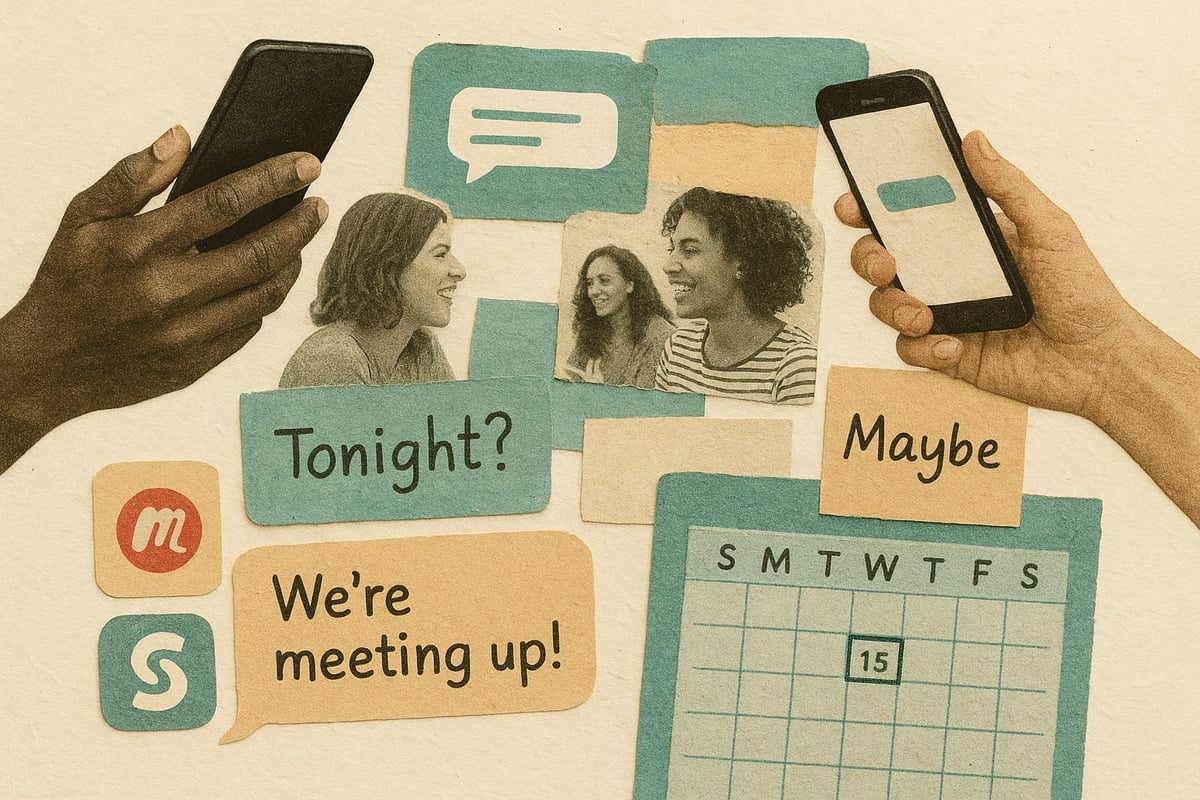
Different groups have different needs, so it helps to match your tech to your vibe. WhatsApp is great for quick chats, while Facebook Groups offer a home for ongoing meetups. Google Calendar keeps things tidy for planners, and Eventbrite is perfect for larger events. For a look at how these tools are evolving, check out Meetup's 2025 progress report for the latest platform trends.
| Platform | Group Size | Tech Comfort | Best For |
|---|---|---|---|
| Small-Medium | All | Quick planning | |
| Facebook Groups | Medium-Large | Moderate | Community building |
| Google Calendar | All | Moderate | Scheduling |
| Eventbrite | Large | High | Public events |
No matter the tool, the most important thing is that everyone feels included in the meetups.
Keeping Organisation Light and Optional
Nobody wants endless notifications or pressure to commit. The best tech for meetups lets you dip in and out, respond when ready, and never feel left behind. Use features like muted chats or optional reminders, so people can stay in the loop at their own pace.
Simple polls or group chats help gather availability without fuss. The goal is to make coordination feel like a friendly nudge, not a chore. When tools fade into the background, your group can focus on what matters, enjoying the meetups themselves.
Ensuring Privacy and Comfort
Privacy matters, especially in group chats and public event platforms. When planning meetups, check what information is visible, and always get consent before sharing details. Many platforms now offer private groups, hidden events, and easy ways to report any issues.
Encourage everyone to set their own boundaries. A safe and comfortable digital space makes it easier for all to join in, whether they’re regulars or newcomers. Trust and flexibility are just as important as tech when it comes to meetups.
Groop: Simplifying Planning for Friend Groups
Groop is a gentle, user-friendly tool designed for the messy reality of friend group meetups. Instead of endless group chat chaos, Groop checks everyone’s availability automatically and presents clear, pressure-free options.
Picture a group of friends planning a spontaneous weekend hangout. Groop gathers everyone’s responses quietly, updates the plan, and lets people opt in or out as they wish. The focus is always on reducing cognitive load, so planning feels natural and low-stress.
Groop is currently in open beta and welcomes feedback. If your meetups could use less hassle and more fun, this might be the gentle solution you’ve been looking for.
Designing Inclusive and Meaningful Meetup Experiences
Bringing people together for meetups is about more than just logistics. It's about making everyone feel seen, heard, and genuinely welcome. A gentle, flexible approach helps us create spaces where connection grows naturally, no matter the group or purpose.
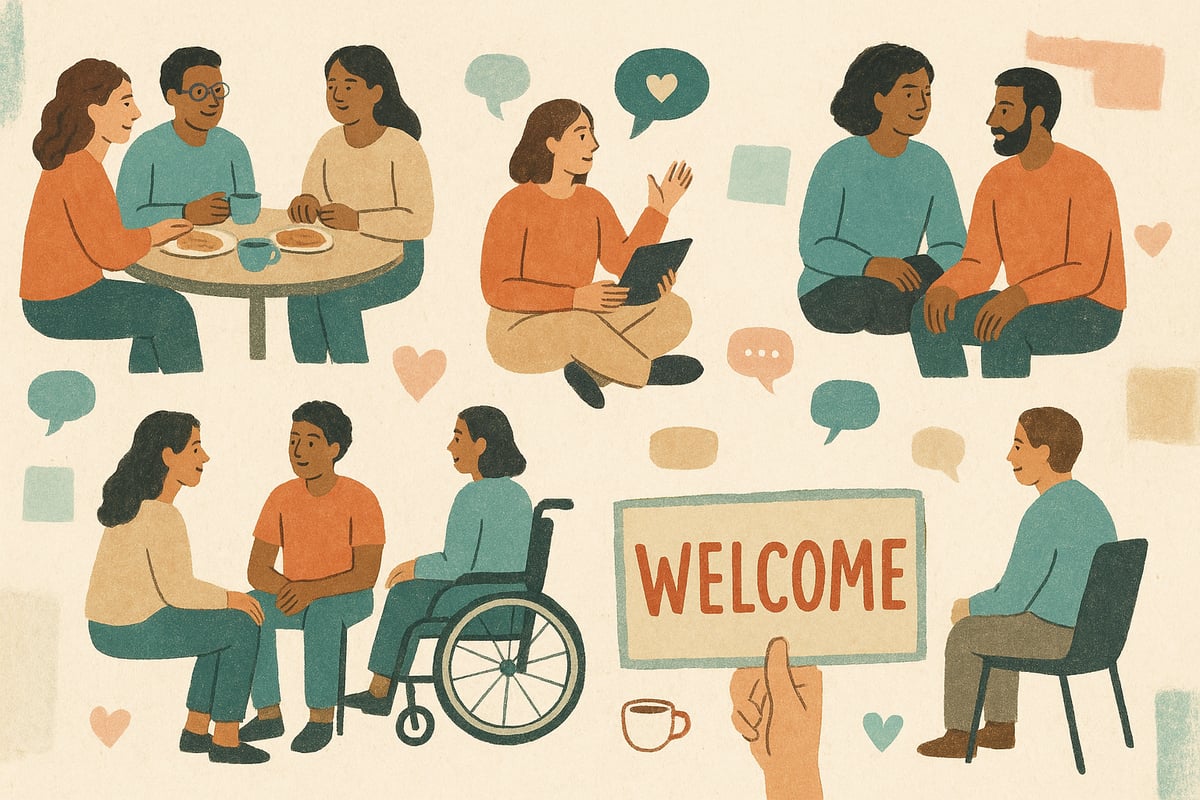
Creating a Welcoming Atmosphere
Every meetup is a new chance to make someone feel at home. Start with a smile, a quick intro, or even a shared snack. If someone’s new or quieter, a simple “Glad you’re here” goes a long way.
Try to set up spaces where people can join conversations at their own pace. Little things, like name stickers or a group WhatsApp for gentle check-ins, can make meetups feel more approachable for everyone.
Accessibility and Flexibility in Planning
Not every group has the same needs, so planning inclusive meetups means leaving room for difference. Ask about physical access, dietary needs, or preferred times. If you’re not sure, it’s always okay to say, “Let us know what works for you.”
Technology can be a gentle helper too. Tools designed for inclusivity, like AI agents for inclusive meetings, are making it easier to check in on needs and adapt on the fly. Flexibility, like open invites or drop-in options, helps meetups work for more people.
Building Connection Beyond the Event
A meetup doesn’t have to end when people head home. Light follow-ups, like a thank you message or sharing a group photo, keep the sense of connection alive.
You might try a rotating host, a shared playlist, or a poll for next time’s theme. These small touches help meetups grow into something lasting, without any pressure to commit.
Navigating Group Dynamics with Empathy
Groups are always a mix of personalities and comfort levels. Indecision or changing plans is normal, so keep things light and adaptable. If conversations split or some folks prefer to listen, that’s fine too.
Letting meetups evolve naturally, without rigid agendas, helps everyone feel comfortable. The goal is shared ease, not perfection.
Examples of Inclusive Meetup Practices
Real-world meetups show how gentle, flexible planning makes a difference. One local book swap started as a monthly gathering but now welcomes drop-ins and online check-ins, helping parents and shift workers join when they can.
Data backs this up: 70 percent of attendees say they feel more connected when meetups are flexible and low-pressure (Community Meetup Insights 2025). It’s proof that a little empathy and openness really do bring people together.
Building Lasting Networks and Community Impact
Creating lasting networks starts with gentle, regular connection. When we keep things light and low-pressure, meetups naturally become spaces where friendships and support grow. It’s less about grand plans and more about showing up, sharing moments, and letting things evolve at their own pace.
Fostering Ongoing Engagement
Keeping a group going doesn’t need to be complicated. Small, regular meetups—like a monthly coffee or a quick park walk—help people feel included without pressure.
Gentle reminders in group chats or a friendly message can spark connection. Some groups use a simple newsletter or share updates after each meetup, inviting everyone to keep the conversation going.
- Share highlights or photos from recent meetups.
- Suggest future ideas casually, leaving the door open for input.
- Celebrate small wins, like a new member joining or a fun story shared.
Empowering Members to Take Initiative
Meetups thrive when everyone feels comfortable pitching in. Sharing hosting duties or letting different people suggest ideas helps keep things fresh and welcoming.
Try these gentle ways to involve others:
- Rotate who sets up the next meetup.
- Create a shared list of event ideas.
- Encourage quieter members to take the lead if they wish.
When leadership is shared, the group feels more like a community than a club with strict rules. Everyone’s voice matters, and meetups become a place where new ideas can gently take root.
Measuring the Impact of Your Meetup
It can feel daunting to ask for feedback, but light-touch approaches work best. A quick anonymous poll, a casual chat, or a shared document can help gather thoughts without pressure.
Consider using a simple table to collect feedback:
| What Worked Well | What Could Change | New Ideas |
|---|---|---|
| Friendly hosts | More flexible times | Try a new location |
| Welcoming vibe | Shorter events | Themed meetups |
Even small tweaks based on feedback can ripple out, making future meetups more meaningful and enjoyable for everyone.
Adapting to Evolving Needs and Interests
Groups change as people’s lives shift. Periodic check-ins—maybe every few months—help keep meetups relevant and welcoming. It’s perfectly fine to let the group’s focus move with the members’ interests.
Stay flexible by:
- Letting people suggest new activities.
- Being open to changing locations, times, or formats.
- Treating indecision as a natural part of planning.
Meetups that adapt tend to last longer and feel friendlier. When plans can change, everyone feels more at ease.
Real-World Success Stories
Many groups have seen small, informal meetups lead to lasting friendships, new collaborations, or even community projects. For example, a local book swap that started with three neighbours grew into a regular event, with members later organising a neighbourhood clean-up.
In another case, a parent group’s monthly meetups led to shared childcare and deeper support networks. Research shows that when meetups stay flexible and low-pressure, people feel more connected and are more likely to keep coming back.
These gentle successes remind us that the biggest impact often comes from simple, consistent connection.
The Future of Meetups: Trends to Watch in 2026 and Beyond
Looking ahead to 2026, the way we gather is shifting in gentle but meaningful ways. As our lives continue to move quickly, many of us are finding comfort in smaller, more intentional meetups. Technology is adapting to support these moments, not overshadow them, and new attitudes are making social plans feel lighter and more human.
Technology’s Role in Human-Centred Connection
In 2026, technology is playing a quieter but more thoughtful part in our meetups. Tools like AI scheduling assistants, simple apps, and even VR spaces are making it easier for us to connect without adding stress. The best tech now stays in the background, letting us focus on the real reason we gather—each other.
Instead of making meetups feel like another task, these tools offer gentle reminders and flexible options. For example, a group might use an app to find a time that works, then switch to a cosy living room or a virtual hangout. The goal is always to support, not to complicate.
Shifting Attitudes Towards Social Planning
The way we plan meetups is also changing. There’s a growing acceptance of “maybe” RSVPs and a real appreciation for those who show up when they can, even if it’s last minute. People are valuing presence over perfection, and the pressure to commit far in advance is fading.
Now, a simple “I’ll try to make it” is enough. This makes meetups feel more like a friendly invitation and less like an obligation. It’s a shift that helps everyone feel more at ease, especially when life gets unpredictable.
The Rise of Micro-Communities and Hyperlocal Networks
Across cities and towns, micro-communities are flourishing. More of us are seeking meetups close to home, focusing on connections that feel personal and manageable. According to a 2026 survey, 40% of people now prefer meetups within five miles of where they live.
This trend is creating neighbourhood book clubs, local walking groups, and small hobby circles. These gatherings are easy to join, flexible, and often sparked by shared interests or simple curiosity. It’s a gentle reminder that community can start right on your doorstep.
Embracing Uncertainty and Spontaneity
One of the most comforting trends is the growing comfort with uncertainty. Meetups in 2026 often come together at the last minute, with plans that stay open and adaptable. If someone can’t decide until the day, that’s perfectly fine.
This acceptance of spontaneity removes pressure and brings a sense of fun to planning. It helps everyone enjoy the moment and see indecision as part of the social experience, not something to fix. In this way, meetups are becoming more about enjoying each other’s company, no matter how the details unfold.It’s clear that in 2026, bringing people together is all about making things easier, more inclusive, and just a bit more joyful for everyone involved We’ve talked about how the right tools can transform group plans from a hassle into something everyone actually looks forward to If you’re ready to experience planning that feels natural and totally pressure free, why not try it out for yourself We’d love for you to join the beta and see how Groop can help your group connect with less stress and more fun Let’s make meetups something we all enjoy again